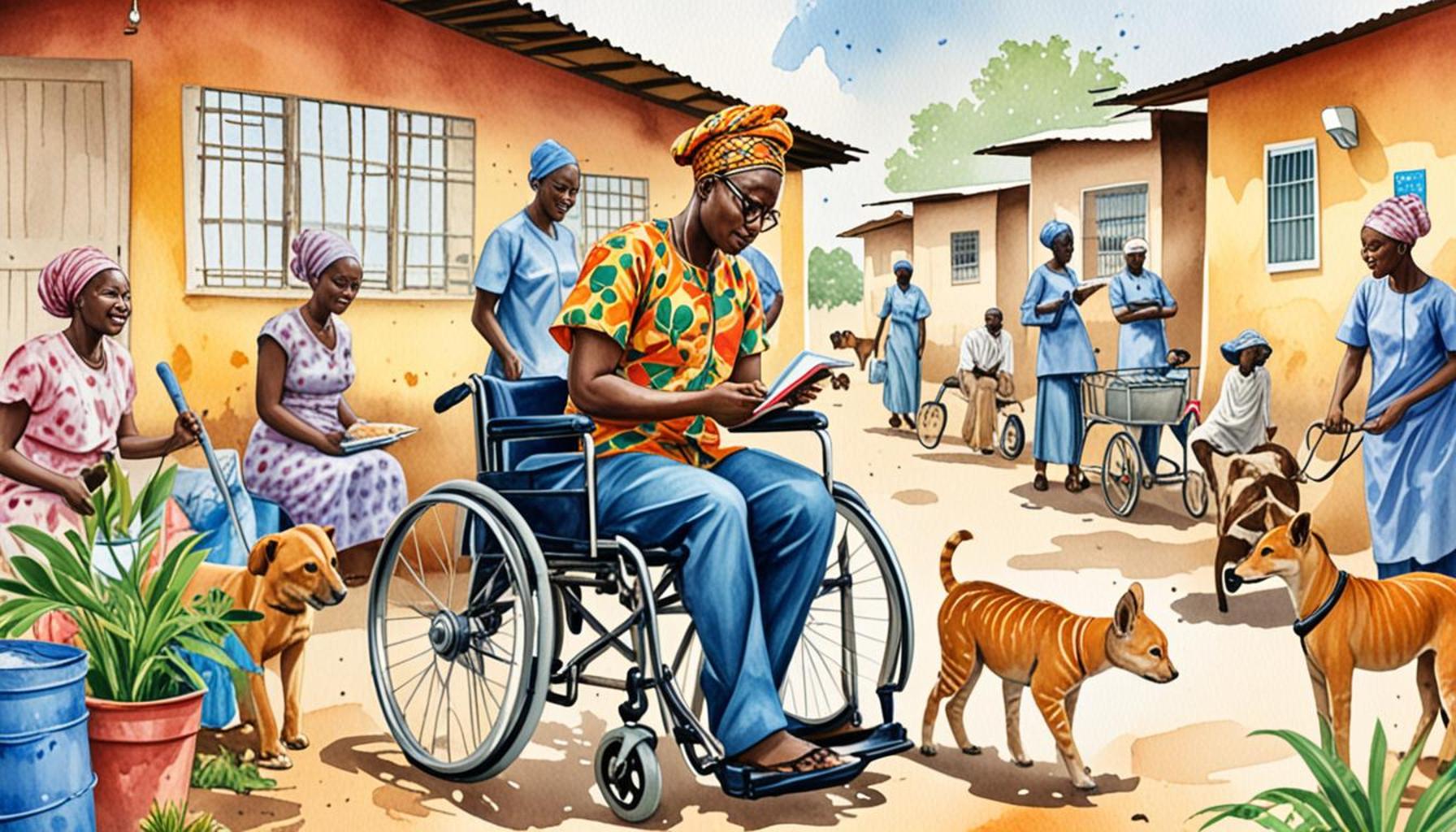
Mass Vaccination Programs: Challenges and Opportunities for Animal Health in Nigeria

Overview of Challenges in Mass Vaccination Programs
The landscape of animal health in Nigeria is profoundly influenced by a variety of factors, particularly in relation to mass vaccination programs. One of the most pressing challenges faced by these initiatives is access to rural areas. A significant portion of Nigeria’s livestock is raised in remote communities that lack proper infrastructure. This geographic isolation makes it difficult for veterinary service providers to reach farmers and their livestock, leading to inconsistent vaccination coverage. For instance, the northern regions, where nomadic herders often travel vast distances with their animals, present unique hurdles for timely vaccination efforts.
Another critical challenge is the lack of resources, which manifests in several ways. Firstly, there is a notable shortage of veterinary professionals, particularly in rural regions, which hampers the delivery of animal health services. Additionally, the supply chain for vaccines may be disrupted due to logistical issues or financial constraints, resulting in critical stockouts. For example, vaccines for diseases like Newcastle disease and foot-and-mouth disease are essential for the health of poultry and cattle, yet their availability is inconsistent.
Challenges And Opportunities
Moreover, awareness and education play a pivotal role in the success of vaccination programs. Many farmers operate in a context of misinformation and cultural beliefs that sometimes undermine the perceived value of vaccination. For example, some farmers may believe that vaccinating animals is unnecessary if they appear healthy. Efforts to educate farmers about the benefits of vaccinations—in terms of both animal health and economic productivity—are critical to improving participation rates in vaccination campaigns.
Identifying Opportunities in Vaccination Efforts
Despite these challenges, there are significant opportunities that can reshape the landscape of animal health in Nigeria. Collaborative efforts between governmental bodies, non-governmental organizations (NGOs), and private stakeholders can lead to better resource allocation and distribution of vaccines. Initiatives like the African Union’s Inter-African Bureau for Animal Resources are paving the way to create synergies that could enhance vaccination efforts nationwide.
Moreover, advances in technology can revolutionize the tracking and distribution of vaccines. For example, the use of mobile applications to monitor vaccine inventory and delivery times can streamline processes, ensuring livestock are vaccinated promptly. Additionally, employing drones in hard-to-reach areas for vaccine delivery demonstrates the kind of innovative approaches that could significantly bolster vaccination efforts.

Finally, community engagement is a powerful tool in overcoming resistance to vaccination. By actively involving local farmers in the planning and implementation of vaccination campaigns, trust can be fostered, leading to increased participation. Programs that utilize community leaders as advocates for vaccinations have shown promising results, as these leaders can help dispel myths and encourage their peers.
Conclusion
Understanding the dynamics of mass vaccination programs in Nigeria reveals a complex interplay of challenges and opportunities. As the country strives for improved animal health, addressing the barriers while leveraging opportunities will not only protect livestock but also ensure better livelihoods for millions of Nigerians dependent on agriculture. Every step taken toward improving animal health systems is a step toward a more sustainable and prosperous agricultural future.
SEE ALSO: Click here to read another article
Understanding the Barriers to Effective Vaccination
As Nigeria grapples with animal health challenges, mass vaccination programs emerge as pivotal in ensuring the well-being of livestock and, by extension, the livelihoods of local communities. However, a multitude of barriers threatens the success of these initiatives. One of the most significant barriers is the inadequate infrastructure that permeates many rural areas. Roads remain impassable during the rainy season, and veterinary clinics are often few and far between, complicating access for farmers who rely heavily on timely vaccination to safeguard their herds.
This infrastructure deficit is compounded by inconsistent funding. Many states struggle with budgetary constraints that routinely affect their ability to purchase necessary vaccines. According to a report by the Nigerian Veterinary Medical Association, approximately 40% of required vaccines go unadministered each year due to financial limitations. This shortfall not only jeopardizes the health of the livestock but also exposes farmers to heavy economic losses.
Community Hesitancy and Engagement
In addition to logistical and financial barriers, community hesitancy poses a compelling challenge. Many farmers lack trust in vaccination programs, often due to historical neglect or experiences with ineffective vaccination deployments. Reports suggest that about 30% of farmers are skeptical about the vaccines’ efficacy, believing that their animals can remain healthy without them. This skepticism is often rooted in longstanding cultural beliefs, which necessitate comprehensive education initiatives that resonate with local perspectives and practices.
Key Factors Influencing Community Attitudes
- Misinformation: The spread of myths surrounding the origins and necessity of vaccines can lead to widespread fear and resistance among farmers.
- Cost of Vaccination: In some instances, farmers may treat vaccination as an unnecessary expense, particularly in the context of high livestock mortality rates.
- Lack of Community Involvement: When communities are not involved in the planning and execution of vaccination campaigns, a disconnect can emerge, leading to apathy or resistance.
To address these issues, partnerships with local leaders and farmers can help to reshape perceptions about vaccination. By bringing community voices into the conversation, programs can foster dialogue that demystifies the benefits of vaccination, thereby promoting participation. Opportunities also arise from leveraging existing social structures to disseminate information and advocate for improved animal health practices.
The Role of Policy and Training
Government policies play a crucial role in guiding mass vaccination programs. The absence of robust animal health policies can lead to fragmentation and inefficiencies in program implementation. A comprehensive review of current legislation surrounding animal health and vaccination can identify gaps needing urgent attention. Furthermore, investing in the training of veterinary professionals is indispensable. An empowered workforce with continual access to the latest veterinary practices will enhance the delivery of vaccination services across Nigeria.
As the landscape of animal health evolves, it is imperative to confront these multifaceted challenges in mass vaccination programs, ensuring that every corner of Nigeria is equipped to protect its livestock population. Embracing opportunities for collaboration, education, and systemic improvements will enhance not only animal health but also the overall agricultural economy of the nation.
Addressing the Challenges of Mass Vaccination Programs
The implementation of mass vaccination programs in Nigeria is often faced with significant challenges that can impede their effectiveness. One of the primary obstacles is logistical inefficiencies. These programs require extensive planning and coordination to ensure that vaccines reach remote areas where livestock are raised. Furthermore, transport infrastructure in Nigeria can be inadequate, leading to delays that compromise the effectiveness of vaccines, as proper storage conditions are vital for maintaining their potency.Another critical challenge is community engagement and education. Many livestock owners may harbor skepticism toward vaccination programs, stemming from a distrust of government initiatives or lack of awareness about the benefits of vaccination. This can result in low participation rates and ultimately compromise the herd immunity intended by vaccination efforts. Engaging community leaders and conducting awareness campaigns can help counteract misinformation and encourage farmers to vaccinate their animals.Additionally, financial constraints often limit the reach of these programs. The government funding for veterinary services can be insufficient, leading to subpar implementation of vaccination schedules. Ensuring that funding is allocated effectively to support not just the vaccines, but also the educational and logistical needs, is essential for maximizing the impact of these health initiatives.Despite these challenges, mass vaccination programs present unique opportunities for enhancing animal health in Nigeria. They can significantly reduce the incidence of zoonotic diseases, improving not only animal health but public health as well. Moreover, successful vaccination programs can bolster economic stability for farmers by safeguarding livestock against diseases that would otherwise lead to significant financial losses.
The Benefits of Mass Vaccination Programs
The advantages of well-structured mass vaccination programs extend beyond immediate health benefits. They can play a crucial role in fostering a more resilient agricultural sector. By improving the overall health of livestock, these programs can enhance productivity, leading to increased meat and milk production – a vital source of income for many households in Nigeria.Furthermore, the capacity for mass vaccination initiatives to unify different stakeholders – from government agencies to NGOs and local farmers – can pave the way for collaborative efforts in animal husbandry, ultimately leading to the establishment of sustainable farming practices. As farmers observe the tangible benefits of vaccination, a culture of proactive health management can be fostered.In conclusion, while the road to successful mass vaccination programs in Nigeria is fraught with challenges, the potential opportunities for both animal and public health are profound. The focus must remain on addressing the logistical, educational, and financial barriers to realize the full benefits of vaccination initiatives.
CHECK OUT: Click here to explore more
Strategies for Enhancing Vaccination Programs
To overcome the challenges associated with mass vaccination programs in Nigeria, a multifaceted strategy is essential. Strengthening these initiatives requires not only addressing the infrastructural gaps but also capitalizing on innovative solutions tailored to local needs. One promising avenue is the integration of mobile vaccination units, which can facilitate access to remote regions. By deploying veterinary teams equipped with vaccines and essential supplies in mobile vehicles, health services can reach farmers who otherwise struggle to access traditional clinics.
The establishment of community-based vaccination programs presents another opportunity. Empowering local livestock owners to engage in the vaccination process cultivates a sense of ownership and responsibility. By training community members as vaccine champions, these programs can create a network of trusted individuals who advocate for vaccinations, making it easier to dispel myths and encourage participation. Studies have shown that community-led initiatives can boost vaccination rates significantly, leading to healthier livestock populations.
Leveraging Technology for Outreach and Education
In the digital age, technology plays a vital role in enhancing communication and education regarding animal health. Utilizing mobile applications and SMS-based systems can keep farmers informed about vaccination schedules, reminders, and best practices. Moreover, educational campaigns via social media platforms can effectively target the tech-savvy younger generation of farmers, creating advocates for vaccination efforts.
The impact of information technology extends to data collection as well. Implementing a system to monitor vaccination rates and disease outbreaks through real-time data can offer valuable insights, aiding in the refinement of future vaccination strategies. The Nigeria Animal Disease Reporting System has provided initial steps towards building such an infrastructure, allowing for faster responses to emerging health threats in livestock.
Public-Private Partnerships: A Collaborative Approach
To further improve vaccination programs, forging public-private partnerships (PPPs) can deliver mutual benefits. Cooperative engagement between governmental bodies, veterinary pharmaceuticals, and agribusiness firms can mobilize resources and expertise that are often lacking. For instance, partnerships can lead to joint ventures that produce locally-manufactured vaccines, significantly reducing costs while ensuring supply chain efficiency.
Successful case studies in other developing nations show that when governments work hand in hand with private entities, vaccination programs can achieve higher efficiency and sustainability. In Nigeria, initiatives such as the Livestock Development Program could serve as a model, harnessing the strengths of both sectors to drive collaboration and enhance vaccination coverage across the nation.
Integrating Animal Health into Broader Agricultural Policies
Animal health issues do not exist in isolation; they intersect significantly with broader agricultural policies. By aligning vaccination programs with national agricultural development strategies, Nigeria can ensure a comprehensive approach to livestock health. Policymakers need to recognize that healthy animals contribute not only to food security but also to economic resilience. Just as crop health is prioritized, so too should animal health receive the necessary attention and resources in agricultural planning.
Additionally, public sector initiatives focusing on nutrition, climate adaptation, and disease prevention can further bolster the effectiveness of vaccination programs. When farmers are educated about the benefits of healthy livestock in conjunction with proper nutrition and disease management, the overall resilience of the agricultural ecosystem improves.
Ultimately, the path to successful mass vaccination programs in Nigeria lies in creative problem-solving, collaboration, and a steadfast commitment to promoting animal health as a foundational element of agricultural productivity.
CHECK OUT: Click here to explore more
Conclusion
The implementation of mass vaccination programs in Nigeria holds immense potential for enhancing animal health and overall agricultural sustainability. As we have explored, these initiatives face numerous challenges, including infrastructural limitations, public skepticism, and resource constraints. However, the opportunities to strengthen and innovate within these programs are equally significant. From the deployment of mobile vaccination units to the establishment of community-based vaccination champions, there are creative pathways to address these hurdles and ensure that vaccination reaches every corner of the nation.
Moreover, embracing modern technology for outreach, education, and real-time data monitoring could transform the efficacy of vaccination initiatives. As evidenced by successful public-private partnerships in other countries, collaboration between governmental bodies and the private sector can optimize resource allocation and enhance vaccine production capabilities. By fostering such synergies, Nigeria could not only meet current demands but also pave the way for a self-sustaining vaccination framework.
Ultimately, integrating animal health into broader agricultural policies and recognizing its critical role in food security and economic resilience is essential for Nigeria’s growth. A holistic approach to vaccination can significantly bolster livestock health, leading to thriving agricultural communities. Engaging all stakeholders—including farmers, policymakers, and health professionals—will be key to fostering an environment where mass vaccination programs can thrive and unlock the full potential of Nigeria’s animal health landscape.
Related posts:
The Impact of Government Policies on Access to Animal Health Services in Nigeria
The Role of Social Media in Raising Awareness about Animal Health in Nigeria
The Impact of Nutrition on the Health of Pets in Nigeria
The Importance of Preventive Health in Pets in Nigeria
The Importance of Continuous Training for Veterinarians in Improving Animal Health Services
The Relationship between Pet Owners' Mental Health and Veterinary Care for Pets

Linda Carter
Linda Carter is a writer and pet care expert specializing in pet health, grooming, and wellness. With extensive experience helping pet owners create safe, loving, and enriching environments for their animals, Linda shares her knowledge on our platform. Her goal is to empower readers with practical advice and strategies to ensure their pets thrive and lead joyful, healthy lives.