The Role of Veterinarians in Education on Pet Health Care
The Role of Veterinarians in Enhancing Pet Health Awareness in Nigeria
In recent years, the relationship between pets and their owners in Nigeria has evolved, becoming an integral part of modern households. As the trend of pet ownership grows, the necessity for robust health education surrounding these animals becomes increasingly vital. Veterinarians play a crucial role in this educational aspect, guiding pet owners in making informed decisions that positively impact their pets’ overall well-being.
Key Aspects of Pet Health Education
Education in pet health care is multi-faceted and encompasses several areas essential for nurturing healthy pets. Among these, nutritional guidance is fundamental; veterinarians advise owners on the specific dietary needs of their pets, including the best types of food to promote longevity and vitality. For instance, a veterinarian might recommend high-quality commercial pet foods formulated for specific breeds and ages, or discuss the benefits of incorporating certain fresh foods into a pet’s diet.
Furthermore, preventative care is another crucial element highlighted by veterinarians. This includes educating pet owners about the importance of regular health check-ups, parasite control, and understanding the common diseases that may affect local breeds, such as rabies or parvovirus. Such knowledge empowers owners to proactively manage their pets’ health rather than reacting to illnesses after they appear.
One of the most significant roles of veterinarians is guiding pet owners on vaccination schedules. Routine vaccinations help protect pets from contagious diseases that can be life-threatening. For example, in urban areas like Lagos, vets often recommend a vaccination schedule that includes core vaccines such as the distemper and parvovirus vaccines, while also educating about local disease outbreaks.
Comprehensive Owner Education
The expertise of veterinary professionals extends beyond diagnosis and treatment. They provide pet owners with critical insights regarding signs of illness to watch for in their pets, including symptoms like lethargy, unusual behavior, or changes in appetite. This knowledge allows for early detection and intervention, which is crucial for effective treatment outcomes.
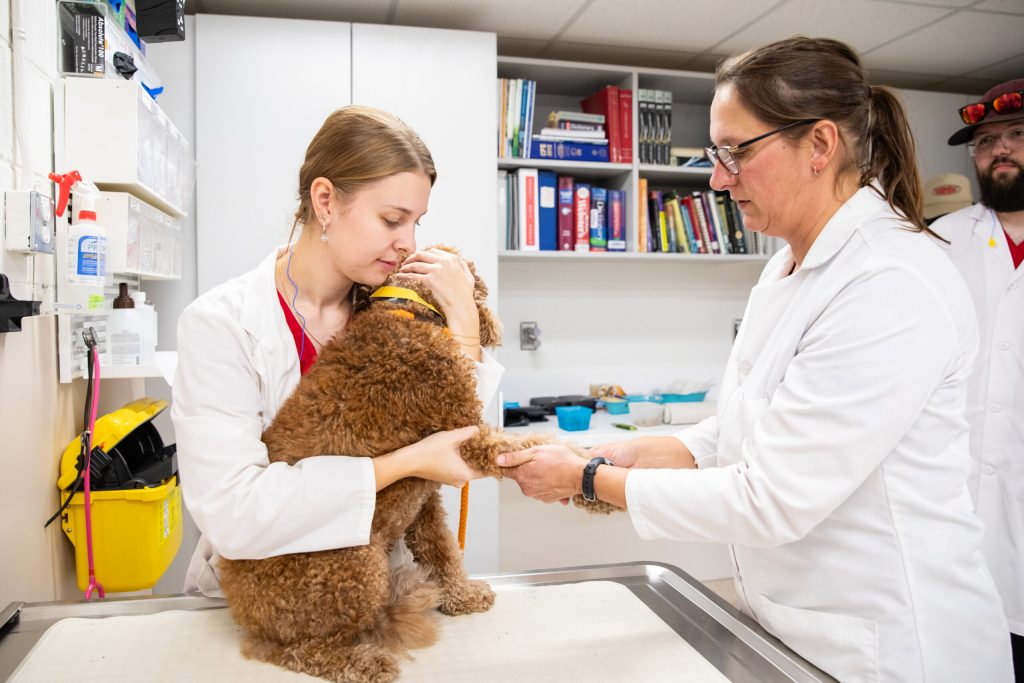
In addition to health signs, veterinarians address behavioral issues that may arise, including aggression, anxiety, or excessive barking. By helping owners understand their pets’ behaviors and when they may need professional training or behavioral modification, vets cultivate a more harmonious relationship between pets and their families.
Veterinarians also emphasize safe handling practices, highlighting methods that protect both pets and humans. This is particularly crucial in densely populated areas where the risk of zoonotic diseases is higher. Educating pet owners on safe interactions, like using leashes in public spaces and understanding animal body language, fosters not only safer homes but also promotes community health.
Building a Culture of Responsible Pet Ownership
Beyond individual education, veterinarians serve as community leaders in animal health. By hosting workshops and seminars aimed at improving pet health knowledge, they foster a culture of responsibility among pet owners. Through outreach programs, they also address the importance of spaying and neutering pets in managing local populations, which contributes to reducing stray animals and related public health concerns.
As we delve further into the specific contributions that veterinarians make, we discover an expansive landscape of opportunities for greater awareness and education in pet health care. The impact of these professionals reverberates through households, fostering healthier pets and, ultimately, stronger bonds between humans and their animal companions in Nigeria.
LEARN MORE: This related article may interest you
Essential Components of Pet Health Education
The education provided by veterinarians is pivotal for enhancing the health and longevity of pets, particularly in a nation like Nigeria, where awareness of animal health issues continues to develop. By addressing key components of pet health education, veterinarians equip pet owners with the knowledge necessary to foster a stable environment for their furry companions. Understanding these components allows pet owners to embrace responsible pet ownership and create a better quality of life for their animals.
Nutritional Insights for Optimal Health
A primary focus of veterinary education is nutrition. Veterinarians guide pet owners on the specific dietary requirements of various pets, stressing the importance of providing a balanced diet that promotes health and wellness. This includes:
- Age-appropriate diets: Different life stages have varying nutritional needs, and vets help owners identify the correct food for puppies, adults, and seniors.
- Breed-specific considerations: Certain breeds may have unique dietary needs or predispositions to specific health conditions that require tailored nutrition.
- Allergies and sensitivities: Vets offer advice on recognizing and managing food allergies, which can affect a pet’s health if not addressed.
By focusing on appropriate nutritional education, veterinarians help owners avoid common pitfalls associated with overfeeding or providing low-quality food, thus reducing the risk of obesity and related health issues.
The Importance of Preventative Health Care
Preventative care is another cornerstone of pet health education championed by veterinarians. Through regular health check-ups, vaccinations, and parasite prevention, pet owners can significantly enhance their pets’ lifespans and quality of life. Some key areas of focus include:
- Vaccination schedules: Vets inform pet owners about the essential vaccines their animals need, including rabies, distemper, and others, essential for safeguarding against common yet dangerous diseases.
- Parasite control: Educating owners on the risks posed by fleas, ticks, and worms, and recommending appropriate prevention methods ensures that pets remain healthy and free from infestations.
- Healthcare monitoring: Vets teach pet owners to monitor their pets for any changes in behavior, appetite, or physical appearance, making them more proactive about seeking veterinary care when necessary.
This emphasis on preventive health education not only reduces the incidence of disease but also fosters a deeper understanding of the importance of routine care among pet owners.
Recognizing and Addressing Behavioral Concerns
Veterinarians also play an influential role in educating pet owners about behavioral issues. Pets can exhibit a range of behaviors that may require intervention, and understanding these behaviors is crucial for harmonious pet-human relationships. Vets provide owner guidance on:
- Signs of stress and anxiety: Recognizing when a pet is distressed can help owners provide a comforting environment.
- Behavioral training: Vets offer advice on positive reinforcement training techniques to address issues like aggression and problematic barking.
- Socialization needs: Educating owners on the importance of socializing pets to prevent behavioral challenges can lead to happier, healthier animals.
Through insights into pet behavior, veterinarians enhance communication between pets and their owners, reducing the likelihood of relinquishment and increasing the chances of successful regional pet ownership.
The Essential Role of Veterinarians in Pet Health Education
Veterinarians are not only the guardians of animal health but also vital educators in the realm of pet wellness. Their professional expertise equips them with the knowledge necessary to inform pet owners about best practices for health care. By conducting workshops, seminars, and community outreach programs, veterinarians enhance public awareness regarding preventive measures, vaccination schedules, and nutritional needs for pets.
Building Trust and Community Bonds
Veterinarians serve as trusted advisors and resources for pet owners. Their involvement in community health initiatives fosters strong relationships between pet care professionals and pet owners. This trust is crucial for encouraging responsible pet ownership, as informed decisions directly impact the wellbeing of animals. A study highlighted that communities with active veterinary outreach programs reported better pet health outcomes and higher rates of preventive care.
| Category | Description |
|---|---|
| Expert Guidance | Veterinarians provide crucial insights on pet nutrition, behavior, and preventive care. |
| Community Engagement | They build trust within the community through educational programs and workshops. |
Strong educational efforts led by veterinarians ensure that pet owners have the knowledge needed to recognize potential health issues early. This is essential not only for the immediate well-being of pets but also for reducing long-term veterinary costs. By illuminating the path to effective pet care, veterinarians play an indispensable part in enhancing the quality of life for both pets and their owners.
YOU MAY ALSO LIKE: Read read another article
Empowering Pet Owners Through Community Engagement
Beyond individual consultations, veterinarians serve as crucial advocates for pet health in broader community settings. By actively participating in public health initiatives, veterinary professionals bridge the gap between animal care and the community’s understanding of responsible pet ownership. This multifaceted engagement fosters a culture of knowledge-sharing that can contribute significantly to the well-being of pets and their human companions alike.
Community Outreach Programs
Veterinarians often spearhead community outreach programs aimed at educating the public on various aspects of pet care. These initiatives include workshops, seminars, and informational sessions that target common misconceptions about pet health. In places like Nigeria, where many pet owners may lack access to formal education, such programs play a pivotal role in disseminating vital information. Key themes covered in outreach activities typically include:
- Responsible pet ownership: Emphasizing the importance of spaying and neutering, routine veterinary visits, and proper nutrition.
- Basic first aid: Providing essential skills for pet owners to manage minor emergencies before seeking professional help.
- Local regulations and responsible breeding practices: Informing pet owners about local laws pertaining to pet ownership, thereby fostering a responsible environment.
Veterinarians conducting outreach can significantly enhance community awareness, ensuring that pet owners are well-equipped with the tools they need to provide proper care.
Utilizing Digital Platforms for Education
In an increasingly digital world, veterinarians are leveraging technology to extend their educational reach. Social media platforms, blogs, and video content offer innovative ways to deliver information about pet health. Engaging posts that cover topics such as parasite control, vaccination schedules, and dietary needs can go viral, spreading awareness swiftly across networks. For instance, in Nigeria, where mobile phone usage is soaring, veterinarians can create content specifically designed for a broader audience, focusing on:
- Interactive Q&A sessions: Utilizing social platforms to answer common pet health questions in real-time.
- Informative visuals: Sharing infographics that outline essential pet care tips or vaccination timelines to simplify complex information.
- Virtual consultations: Offering remote guidance and education, making it easier for pet owners in remote areas to access veterinary insights.
This digital approach not only broadens the reach of educational content but also modernizes the veterinarian’s role in community health.
Collaborative Efforts with Animal Welfare Organizations
Veterinarians also collaborate with animal welfare organizations to promote proper pet health education. Partnering with NGOs facilitates spay and neuter campaigns, vaccination drives, and outreach in underserved communities. These efforts often include:
- Free or reduced-cost clinics: Events that reduce financial barriers for pet owners, enabling them to access preventive care.
- Community education sessions: Joint initiatives that focus on responsible pet ownership and the importance of animal welfare.
- Advocacy for animal rights: Utilizing their expertise to advocate for policies that protect animal welfare and ensure proper standards of care.
These partnerships enhance the veterinarian’s credibility in the community, ensuring that education reaches a diverse audience while positively impacting overall pet health.
By addressing these elements, veterinarians not only serve as health care providers but also as educators and advocates, promoting a healthier, more informed society around pets in Nigeria.
YOU MAY ALSO LIKE: Read read another article
Conclusion: Bridging Knowledge Gaps for Healthier Pets
The role of veterinarians in education on pet health care is not only significant but essential in fostering a culture of responsible pet ownership and animal welfare in Nigeria. Through a combination of community engagements, digital platforms, and partnerships with animal welfare organizations, veterinary professionals ensure that pet owners are equipped with the necessary knowledge and skills to care for their pets effectively. With outreach programs addressing crucial topics such as spaying and neutering, basic pet first aid, and proper nutrition, veterinarians are actively transforming communities into informed guardians of pet health.
The utilization of modern digital communication tools allows these important messages to reach broader audiences, particularly in regions where traditional educational resources may be scarce. By harnessing social media, informative blogs, and virtual consultations, veterinarians can dispel myths and share vital information in accessible formats, thus broadening their impact exponentially.
Moreover, collaboration with animal welfare organizations strengthens these initiatives, ensuring that more communities have access to essential veterinary care and educational resources. Such partnerships not only enhance the credibility of veterinarians but also create goodwill within the community, encouraging a unified effort towards better animal health standards.
As we look beyond the clinic and recognize the multifaceted role of veterinarians as educators and advocates, it becomes evident that their contributions are critical in nurturing a more informed society regarding pet health care. In doing so, we pave the way for healthier pets and, ultimately, a deeper bond between animals and their human families in Nigeria.
Related posts:
The Role of Community Education in Improving Animal Health Services in Nigeria
Telemedicines Impact on Pet Health in Nigeria A New Era in Care
The Impact of Government Policies on Access to Animal Health Services in Nigeria
The Relationship between Pet Owners' Mental Health and Veterinary Care for Pets
The Influence of Local Culture on Pet Healthcare in Nigeria
Access and Challenges of Pet Health Services in Rural Communities of Nigeria

Linda Carter
Linda Carter is a writer and pet care expert specializing in pet health, grooming, and wellness. With extensive experience helping pet owners create safe, loving, and enriching environments for their animals, Linda shares her knowledge on our platform. Her goal is to empower readers with practical advice and strategies to ensure their pets thrive and lead joyful, healthy lives.