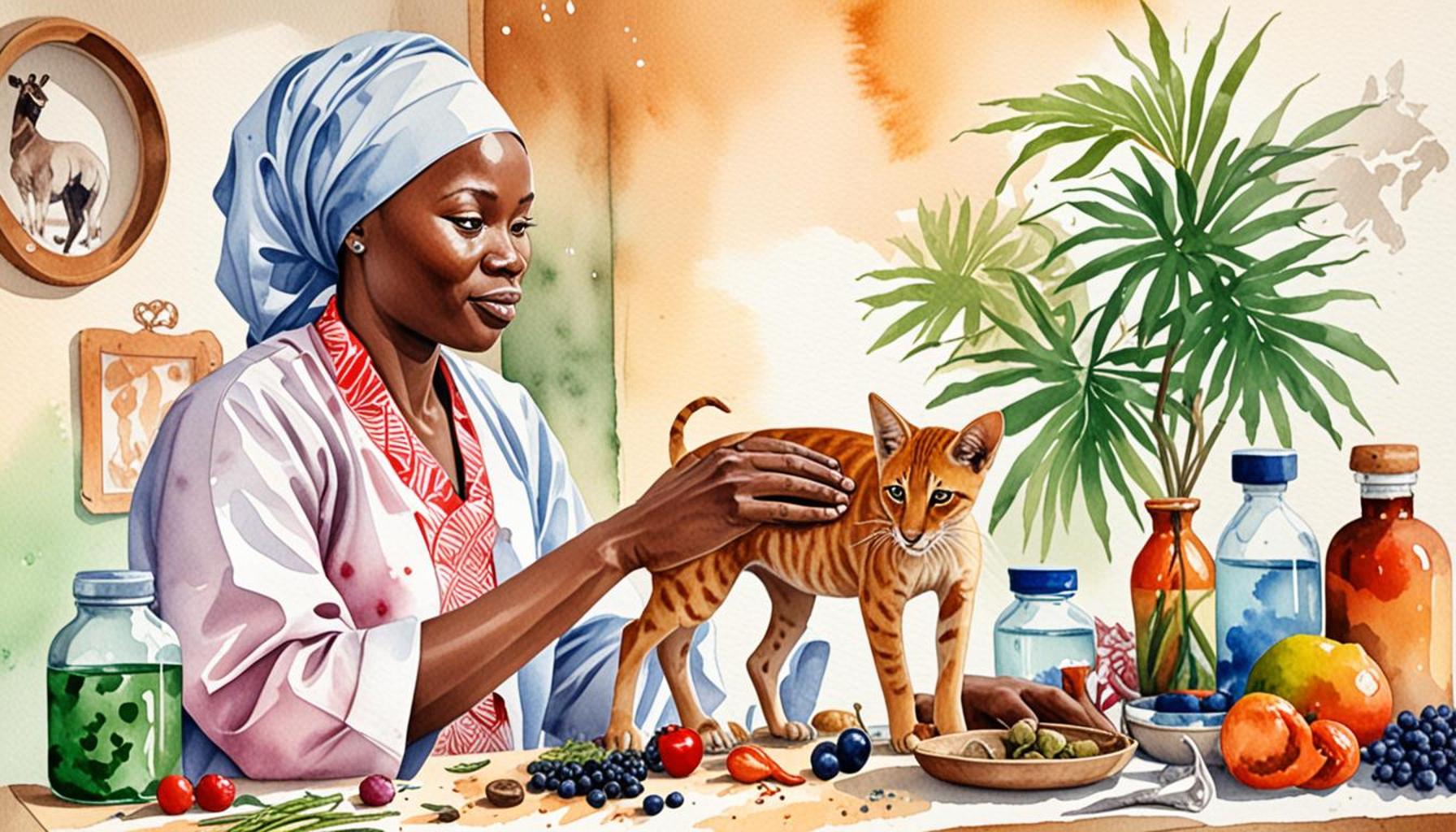
The Importance of Continuous Training for Veterinarians in Improving Animal Health Services
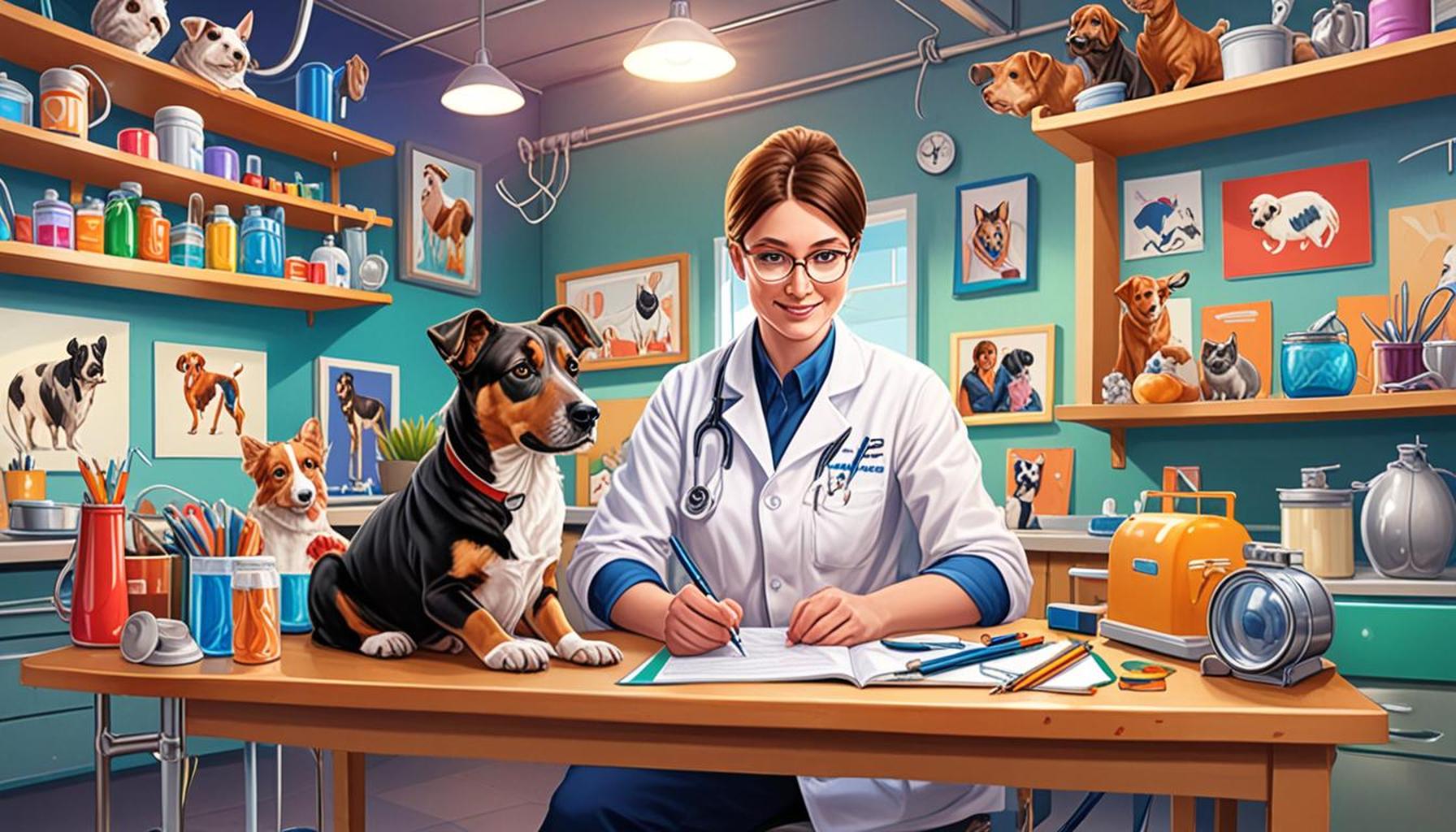
The Importance of Continuous Veterinary Education
In the landscape of veterinary medicine, where change is the only constant, continuous education plays a pivotal role in ensuring optimal animal care. The integration of cutting-edge technology, innovative treatments, and a deeper comprehension of animal behavior enhances the capabilities of veterinarians and subsequently elevates the standard of care available to animals. This not only benefits the veterinarians themselves but also translates into healthier, happier pets and livestock for their owners.
One primary reason for ongoing education lies in the expanding knowledge base within the veterinary field. Every year, new research is published that sheds light on emerging diseases, innovative treatment methodologies, and the efficacy of vaccines. For example, studies exploring the connection between animal nutrition and overall health continue to expand, prompting veterinarians to revise dietary recommendations for various species based on the latest findings.
Enhancing practical skills through hands-on workshops can significantly impact veterinarians’ proficiency, especially when dealing with complex procedures like orthopedic surgeries or advanced diagnostic techniques. These workshops provide an invaluable opportunity for veterinarians to practice under expert supervision, fostering confidence and ensuring precision during surgical operations. In Nigeria, workshops conducted by organizations such as the Veterinary Council of Nigeria have focused on updating veterinarians’ skills in animal welfare and surgical techniques, which are critical given the country’s diverse livestock needs.
Moreover, veterinarians must remain vigilant in understanding regulations that govern animal health care both locally and internationally. This legal knowledge is essential for compliance and advocacy. For instance, adhering to regulations regarding zoonotic diseases—diseases that can spread between animals and humans, such as avian influenza—helps protect public health while ensuring that veterinarians are equipped to manage such critical aspects of animal health.
In Nigeria, where the livestock industry is expanding rapidly and pet ownership continues to rise, ongoing veterinary training is of utmost relevance. The country faces challenges like the outbreaks of African swine fever and canine parvovirus, illnesses that necessitate immediate and informed responses from veterinary professionals. Continuous training prepares veterinarians to handle these emergency situations confidently, thus ensuring effective management of animal health crises and promoting food security.
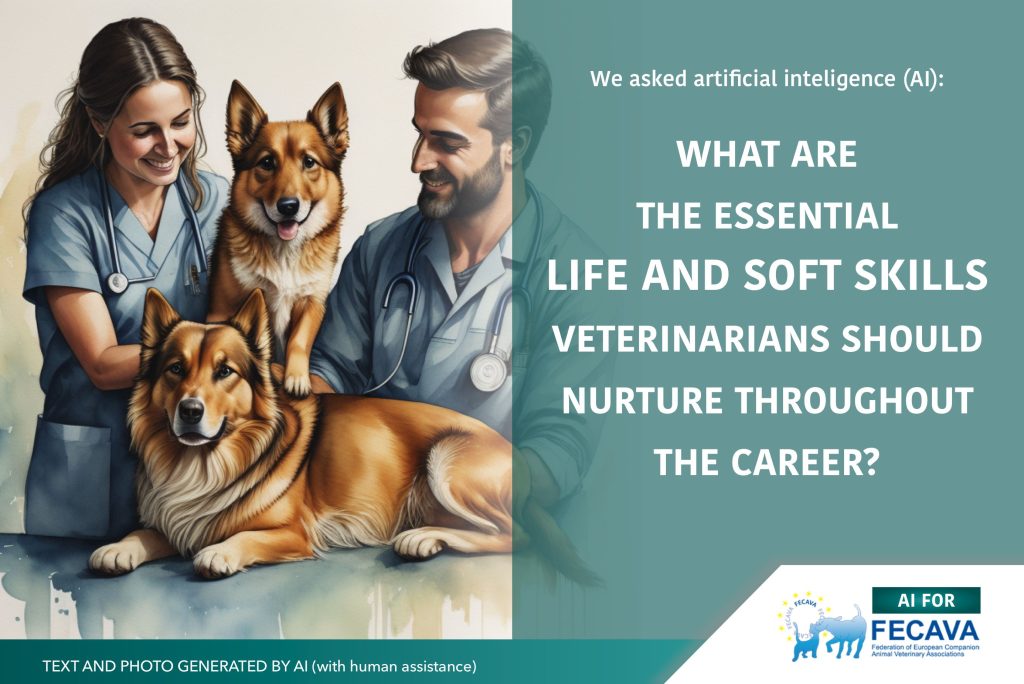
Furthermore, investing in continuous education translates into broader public benefits. Improved veterinary care not only enhances the health of individual animals but also supports community welfare by safeguarding food supply, promoting responsible pet ownership, and preventing disease outbreaks. The future of animal health services in Nigeria depends largely on how adeptly veterinarians can adapt to the evolving challenges of their profession, reinforcing the notion that education is an investment into healthier animals and, consequently, a healthier society.
CHECK OUT: Click here to explore more
Meeting the Challenges of Modern Veterinary Medicine
The veterinary profession is no longer confined to the traditional roles of diagnosis and treatment. With the rapid pace of advancements in veterinary medicine, the call for continuous training and education is louder than ever. This is particularly relevant in Nigeria, where the demand for comprehensive animal health services is skyrocketing due to an increase in livestock production and pet ownership. As emerging health threats arise, the need for veterinarians to stay informed and skilled is imperative.
Understanding the importance of continuous training requires recognizing the diverse and complex challenges that modern veterinarians face. Each year brings an influx of new diseases, along with evolving treatments and technologies. For instance, new vaccine formulations and advanced surgical methods are continually developed, aimed at improving the health outcomes of animals. Consequently, veterinarians must immerse themselves in the latest research findings to make informed decisions in their practice.
Moreover, the significance of gaining communication skills cannot be overlooked. Effective communication is critical when conveying health information and treatment plans to pet owners and livestock farmers. Continuous education programs often emphasize these soft skills, enhancing veterinarians’ ability to discuss health trends, preventive measures, and treatment options clearly and effectively with clients. For example, veterinarians in Nigeria who participate in regional conferences often share insights on how to engage with ranchers about herd health management, resulting in better herd performance.
- Staying Abreast of New Technology: New diagnostic tools and treatment protocols require familiarization for practical implementation.
- Networking Opportunities: Continuous education provides avenues for veterinarians to network with peers, exchange ideas, and collaborate on projects.
- Promoting Animal Welfare: Understanding the latest animal welfare legislation ensures veterinarians advocate for better treatment practices within their communities.
In addition to these skills and knowledge bases, continuous training fosters a culture of lifelong learning among veterinarians. The importance of this mindset cannot be understated, especially as veterinary professionals face ethical dilemmas and tough decisions in their daily practice. Informed veterinarians who are aware of the latest trends and guidelines can make decisions that not only adhere to legal standards but also prioritize the welfare of the animals they care for.
As the landscape of veterinary medicine shifts towards a greater emphasis on preventive care and overall quality of life for animals, the role of education in achieving these goals comes into sharper focus. The ongoing education of veterinarians is pivotal in ensuring that they not only meet the current standards of care but exceed them. In Nigeria, with challenges like the high incidence of infectious diseases and increasing demands for animal products, the commitment to continuous training is not merely beneficial; it is essential for the advancement of animal health services.
| Advantages | Impacts on Animal Health |
|---|---|
| Enhanced Knowledge | Veterinarians stay updated with the latest advancements in veterinary science, ensuring they provide cutting-edge treatments. |
| Improved Skills | Continuous training enhances practical skills, ultimately leading to more effective diagnoses and treatments for animals. |
In the realm of veterinary medicine, the need for continuous training cannot be overstated. As new diseases emerge and treatment protocols evolve, it becomes essential for veterinarians to expand their expertise regularly. Training sessions that cover topics like advanced surgical techniques or emerging infectious diseases ensure that veterinarians offer the best care possible. Not only does this training benefit animal health by promoting quick recoveries and fewer complications, but it also fosters a sense of trust between veterinary practitioners and pet owners.Moreover, an ongoing commitment to professional development encourages veterinarians to collaborate on best practices and share insights, enhancing community health. This collaborative spirit not only boosts individual practices but also uplifts the industry standard as a whole. In summary, the importance of continuous training for veterinarians extends beyond personal advancement; it has a profound, positive ripple effect on animal health services, making it a critical aspect of veterinary practice that merits further exploration.
ADDITIONAL INSIGHTS: Expand your understanding here
Enhancing Specialization and Expertise
As animal health services in Nigeria become increasingly sophisticated, the importance of specialization within the veterinary profession cannot be overstated. Continuous training allows veterinarians to focus on specific areas, such as veterinary surgery, internal medicine, or emergency care. This specialization not only enhances their expertise but also improves the standard of care provided to animals. Recent trends show a significant rise in animal health cases that require specialized knowledge, making continuous education an essential investment in a veterinarian’s career.
For instance, with the increasing prevalence of zoonotic diseases—those that can be transmitted from animals to humans—veterinarians trained in epidemiology and preventative medicine can help mitigate risks and develop appropriate health interventions. In a country like Nigeria, where diseases such as rabies and avian influenza pose substantial threats, specialized training empowers veterinarians to educate communities on these risks, conduct vaccinations, and implement control measures effectively.
In addition to specialization, veterinarians are urged to enhance their technical skills. The introduction of innovative medical technologies, such as ultrasound imaging and laparoscopic surgery, mandates that veterinarians continuously update their skill sets through hands-on workshops and certification courses. For example, workshops related to advanced diagnostic techniques help practitioners learn to employ these technologies effectively, thereby increasing diagnostic accuracy and improving treatment strategies.
- Evidence-Based Practices: Continuous education encourages veterinarians to utilize evidence-based practices which can significantly enhance disease management and animal welfare.
- Adaptability to Market Needs: The veterinary market in Nigeria is constantly evolving, driven by consumer demands for better animal husbandry and care. Continuous training prepares veterinarians to adapt to these changes.
- Enhanced Client Confidence: Veterinarians who are well-trained and knowledgeable make clients feel more confident in their recommendations, thereby improving client-veterinarian relationships.
Moreover, the rise of digital platforms and telemedicine in veterinary care has revolutionized how veterinarians connect with clients and provide services. Continuous training equips veterinarians with skills to navigate these platforms effectively, thus expanding their reach and providing more efficient care. In Nigeria, where rural communities may have limited access to veterinary services, telemedicine can bridge gaps, allowing qualified professionals to offer consultations and guidance remotely.
The economic implications of continuous training are also worth noting. Veterinary practices that invest in the continued education of their staff often see an increase in profitability and client retention. By being equipped with the latest knowledge and skills, veterinarians can offer a broader range of services, tailoring their offerings to meet client needs. For example, providing nutritional counseling and behavior modification programs—after attending relevant training—can open new revenue streams for clinics and practices.
As the veterinary profession evolves, continuous training emerges as a pivotal aspect not only for the development of individual practitioners but also for the enhancement of animal health services across Nigeria. It is crucial for veterinarians to embrace a lifestyle of ongoing education to ensure they remain competent and effective in their roles, ultimately fostering a healthier animal population and more informed communities.
YOU MAY ALSO LIKE: Read read another article
Conclusion
In a rapidly evolving landscape of veterinary medicine, the significance of continuous training for veterinarians cannot be overstated. As the practice of veterinary care in Nigeria faces increasing complexities—from rising incidences of zoonotic diseases to the integration of advanced medical technologies—veterinarians must commit to lifelong learning to maintain their relevance and effectiveness. This dedication not only bolsters their specialized knowledge but also enhances overall animal health services, ensuring that both animals and the communities they serve receive the highest standard of care.
Moreover, the adoption of evidence-based practices and proficiency in emerging technologies, such as telemedicine, are key components of this ongoing education. By equipping themselves with these skills, veterinarians can significantly improve diagnostic accuracy, treatment strategies, and community outreach. With a heightened capability to address the diverse needs of clients, practitioners can cultivate a stronger client-veterinarian relationship, fostering trust and confidence in their services.
Additionally, the economic advantages of investing in continuous training are clear—practices that prioritize the professional development of their staff not only enhance profitability but also ensure long-term viability. By expanding their service offerings to include specialized care, veterinarians can meet the growing demand for exceptional animal health services.
Ultimately, the commitment to continuous training is a vital pathway for veterinarians in Nigeria to adapt, excel, and profoundly impact animal health outcomes. As they rise to meet the challenges of modern veterinary practice, the potential for healthier animals and, consequently, more informed and resilient communities is within reach.
Related posts:
Telemedicines Impact on Pet Health in Nigeria A New Era in Care
The Importance of Affordable Veterinary Services for Animal Health in Nigeria
The Importance of Veterinary Health Services in the Prevention of Diseases in Pets
The Integration of Traditional and Veterinary Medicine Practices in Animal Health in Nigeria
The Impact of Nutrition on the Health of Pets in Nigeria
The Role of Social Media in Raising Awareness about Animal Health in Nigeria

Linda Carter
Linda Carter is a writer and pet care expert specializing in pet health, grooming, and wellness. With extensive experience helping pet owners create safe, loving, and enriching environments for their animals, Linda shares her knowledge on our platform. Her goal is to empower readers with practical advice and strategies to ensure their pets thrive and lead joyful, healthy lives.