The Role of Non-Governmental Organizations in Improving Animal Health Services in Nigeria
The Importance of Animal Health in Nigeria
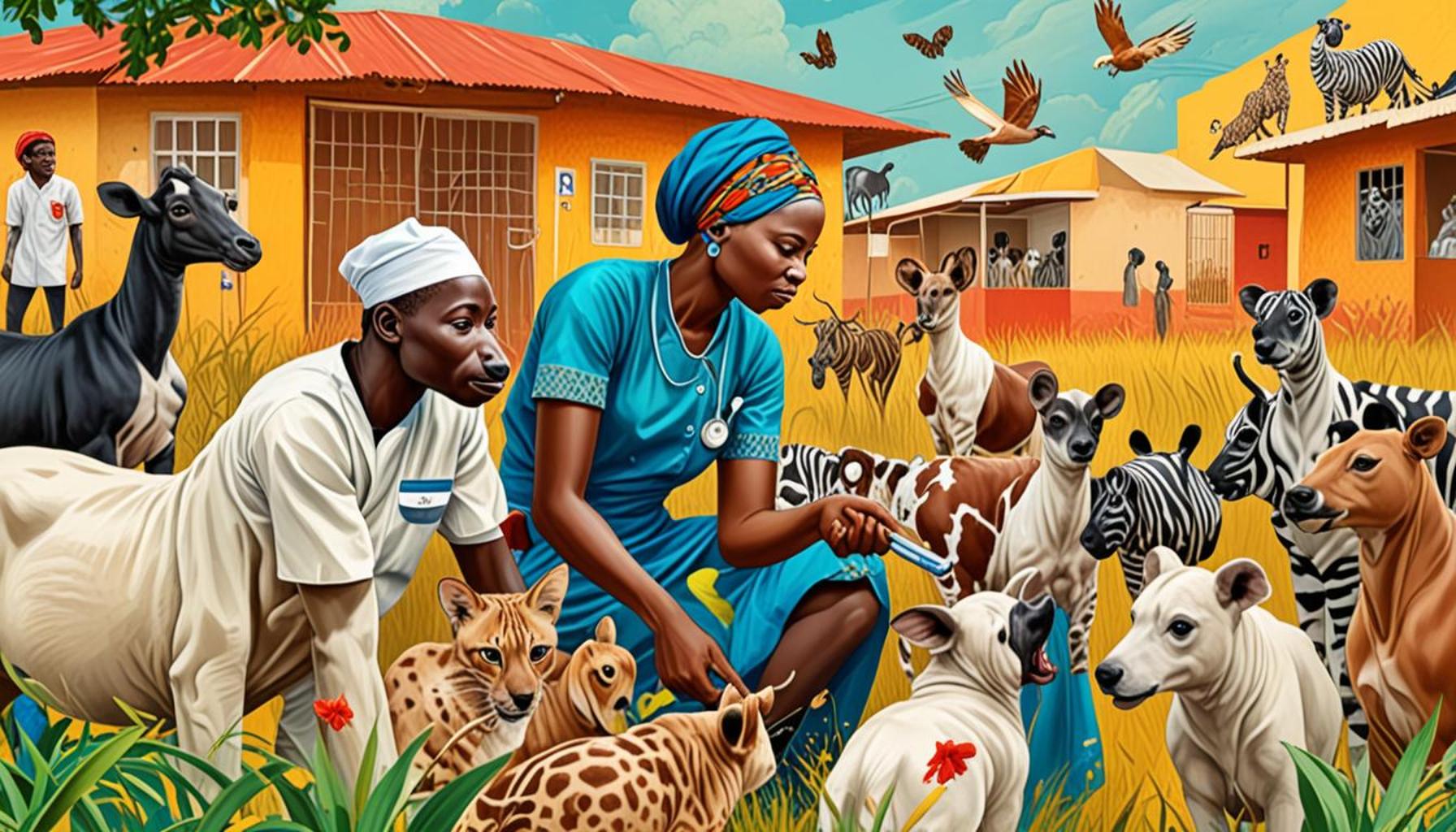
The health of animals is crucial not only for the agricultural sector but also for maintaining public health and food security in Nigeria. With a significant portion of the Nigerian economy reliant on livestock, ensuring optimal animal health is a priority. This is where non-governmental organizations (NGOs) play a vital role. By focusing on the intersection of animal health and community welfare, these organizations ensure that rural farmers benefit from improved livestock management practices.
NGOs as Catalysts for Change
NGOs contribute to enhancing animal health services through various initiatives, including:
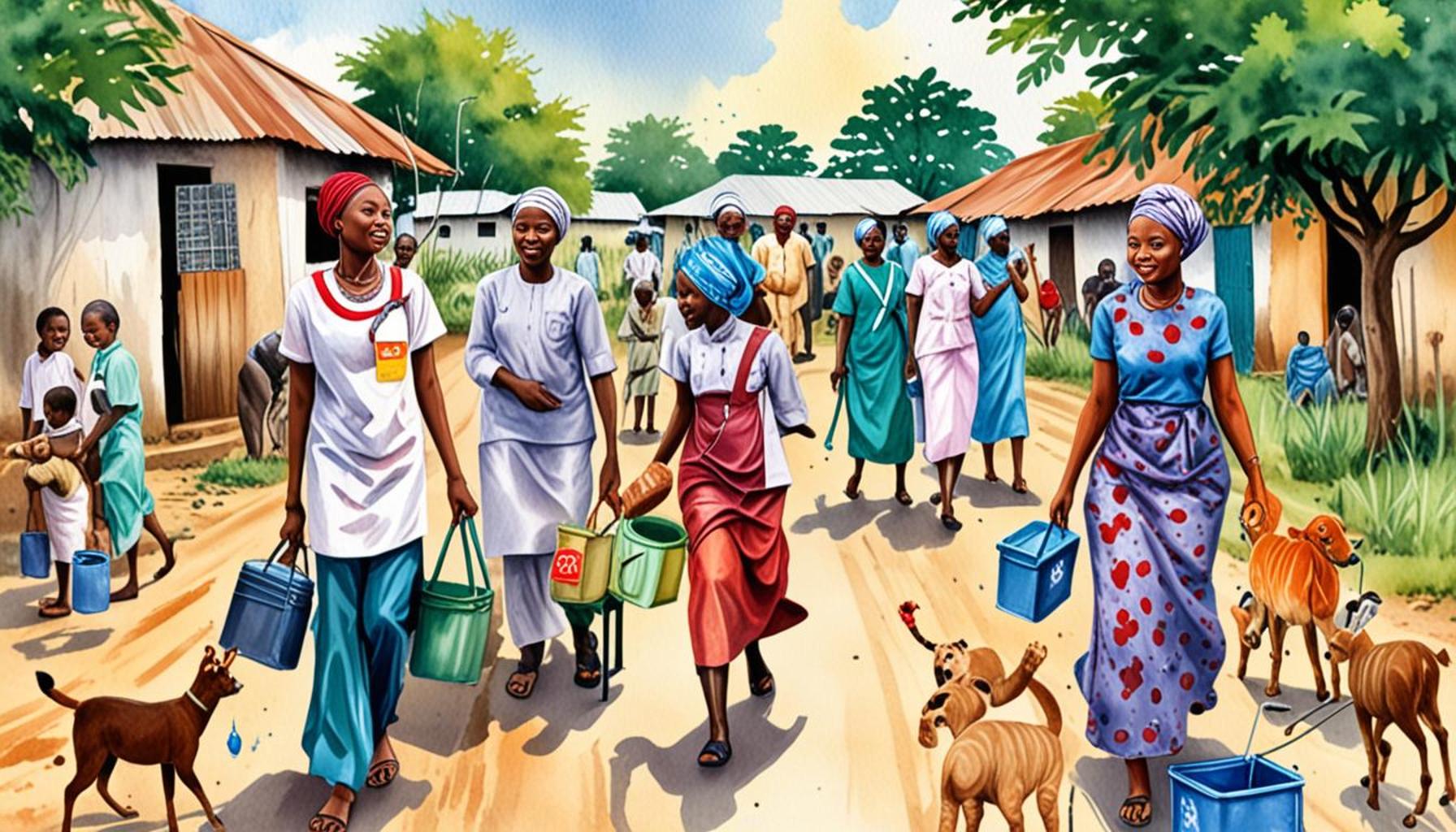
- Providing veterinary care and vaccinations: Many NGOs offer mobile veterinary clinics to reach remote areas where access to veterinary services is limited. These services are critical in preventing outbreaks of diseases that can devastate livestock populations, such as avian influenza or foot-and-mouth disease.
- Conducting awareness campaigns on zoonotic diseases: Zoonotic diseases, which can be transmitted between animals and humans, pose a significant risk, particularly in rural communities. NGOs run educational workshops and informational campaigns to teach farmers about these diseases and recommend preventive measures.
- Training local farmers in best practices for animal husbandry: By equipping farmers with knowledge about nutrition, breeding, and disease management, NGOs empower them to make informed decisions that enhance both animal health and productivity.
- Implementing sustainable and innovative animal health programs: Through initiatives that focus on sustainable farming practices, NGOs help communities adapt to environmental challenges and sustainably manage their resources.
Challenges and Opportunities in Animal Health
In Nigeria, the challenges facing animal health are manifold. Factors such as limited access to veterinary services, insufficient funding, and environmental issues exacerbate these problems. For example, climate change has led to shifts in disease patterns and pest populations, making it even more challenging for farmers to manage animal health. However, the impactful efforts of NGOs aim to bridge gaps in service delivery and advocate for better policies.
Organizations like Heifer International and World Animal Protection are actively engaged in projects that specifically target rural communities, where the need for improved animal health services is paramount. Heifer International implements farming cooperatives that allow farmers to share resources and knowledge, while World Animal Protection raises awareness on animal welfare and the implications for both livestock and human health.
Conclusion
Understanding the role of NGOs in this sphere provides insight into how collective efforts can transform animal health services. By exploring their contributions and strategies, we can appreciate the significant impact they have on Nigeria’s agricultural landscape. These organizations not only improve animal health but also contribute to food security and economic stability, ensuring that Nigerian farmers can thrive and contribute to the nation’s economy.
The future of livestock health in Nigeria hinges on continued partnership between NGOs, local communities, and government bodies. As these entities work together, they lay the groundwork for a more resilient agricultural sector, ultimately benefiting the broader economy and public health.
RECOMMENDED: Check out this similar article
NGOs: Pioneering Veterinary Solutions in Nigeria
Non-governmental organizations (NGOs) have emerged as dynamic agents of change in improving animal health services across Nigeria. Their multifaceted approach addresses the pressing challenges faced by the livestock sector, which represents a significant slice of the country’s economy. With an estimated 30 million cattle, along with sheep, goats, and various poultry species in Nigeria, the importance of addressing animal health cannot be overemphasized. Over the years, these organizations have not only expanded veterinary outreach but also facilitated a surge in community engagement regarding animal care practices.
Bridging the Healthcare Gap
In rural regions, access to conventional veterinary services remains a critical challenge for farmers who depend on their livestock for income, food security, and sustenance. NGOs, such as Veterinarians Without Borders and Farmers Friend, have made significant strides in filling this gap by implementing programs tailored to local needs. They provide essential services, which include:
- Mobile veterinary units: These initiatives bring trained veterinarians directly to underserved communities, making consultations, diagnostics, and treatments more accessible. This approach has proven vital, especially during disease outbreaks where rapid intervention is necessary.
- Livestock vaccination drives: Regular vaccination campaigns, organized by NGOs, target common diseases that threaten livestock health. By immunizing animals, these organizations prevent the spread of infections like brucellosis and Newcastle disease, which can have devastating economic implications for farmers.
- Animal health education: NGOs also emphasize the importance of educating farmers about animal health management. Through training sessions, community workshops, and printed materials, they inform farmers about recognizing signs of illness and effectively managing animal welfare.
- Access to veterinary supplies: By facilitating access to essential veterinary supplies, including antibiotics, dewormers, and nutritional supplements, NGOs ensure that farmers can maintain the health of their livestock more effectively.
Furthermore, the presence of NGOs has been instrumental in fostering collaborations with local veterinary practitioners. By acting as intermediaries, NGOs help bridge the gap between community members and professional veterinarians, creating a support network that ensures better animal health outcomes.
Data-Driven Approach to Animal Health
The innovative use of data collection and analysis by NGOs has yielded impressive results in understanding the dynamics of animal health in Nigeria. Organizations like One Health Nigeria have developed databases that track disease outbreaks and vaccination coverage, providing vital insights that inform health interventions. This data-driven approach not only enhances real-time responses to emerging health threats but also supports long-term planning for improved animal health services across the nation.
As NGOs continue to make strides in addressing animal health issues, they also advocate for policy reforms that support sustainable practices and public health initiatives. This dual focus ensures that livestock farming remains viable while protecting both animals and humans from zoonotic diseases. In this complex landscape, collaboration among NGOs, farmers, government agencies, and health professionals will be paramount to achieving robust animal health services in Nigeria.
The Role of Non-Governmental Organizations in Animal Health Services
The landscape of animal health services in Nigeria is significantly influenced by the efforts of non-governmental organizations (NGOs). These organizations play a crucial role in providing essential services, outreach programs, and training aimed at enhancing veterinary care in rural and underserved communities. By filling gaps in government services, NGOs ensure that farmers have access to the resources they need for the health and productivity of their livestock.
One key area where NGOs make a substantial impact is through public awareness campaigns. These campaigns educate farmers about animal diseases, preventative measures, and the importance of vaccination. For instance, NGOs conduct workshops that equip local farmers with knowledge about common zoonotic diseases that not only affect their livestock but also pose risks to human health. Such education is instrumental in cultivating a culture of proactive animal health care.
Additionally, the collaboration between NGOs and local veterinary services enhances the effectiveness of animal health interventions. These partnerships can provide vital resources, such as mobile clinics or vet services that can travel to remote areas, ensuring that isolated communities are not left behind. Moreover, NGOs often spearhead initiatives focused on research and surveillance of animal health threats, enabling them to respond swiftly to outbreaks, thus safeguarding both livestock and public health.
Furthermore, NGOs actively engage in capacity-building programs. They deliver comprehensive training for local veterinarians and paraprofessionals, enhancing the quality of care available to livestock. Through these programs, NGOs empower communities to take ownership of their animal health needs, leading to sustainable agricultural practices and improved socioeconomic outcomes. By increasing the availability of trained personnel in veterinary services, NGOs contribute not only to better animal health but also to food security in Nigeria.
| Advantages | Details |
|---|---|
| Increased Access to Veterinary Care | NGOs provide mobile clinics and outreach programs, reaching underserved areas. |
| Education and Awareness | Awareness campaigns about diseases and vaccinations help prevent outbreaks. |
| Capacity Building | Training programs enhance local veterinary skills, ensuring effective care. |
The shift towards improving animal health services through the collaboration of NGOs has proven effective in elevating the standards of care and response strategies in Nigeria. This cooperative model showcases how NGOs can be instrumental in bridging the gaps in healthcare, ultimately fostering a healthier agricultural environment.
CHECK OUT: Click here to explore more
Empowering Communities through Capacity Building
Beyond the immediate delivery of veterinary services, NGOs are vital in empowering local communities through capacity building. This holistic approach ensures that farmers not only receive assistance but also develop the necessary skills to manage animal health issues sustainably. By offering training programs and workshops, NGOs focus on enhancing the knowledge base of farmers, equipping them with practical skills in husbandry, disease prevention, and management techniques.
Training Programs and Workshops
Organizations like heifer International actively conduct hands-on training sessions that cover various topics related to animal care. These programs often include:
- Animal husbandry practices: Farmers learn best practices for rearing livestock, including nutrition, breeding, and reproductive health management.
- Disease management: Participants receive education on common livestock diseases, their signs, and preventive measures. They are also trained in basic veterinary skills to administer first aid and identify when professional help is required.
- Sustainable farming techniques: Training includes methods to improve productivity while maintaining environmental sustainability, aligning with global best practices and policies on livestock farming.
This comprehensive capacity-building approach ensures that even when NGOs are not present, farmers in local communities can continue to advocate for and implement effective animal health services.
Support for Local Veterinary Services
To further enhance the impact of animal health services, NGOs play a crucial role in supporting local veterinarians. By collaborating with veterinary schools and experienced practitioners, they provide essential resources and training that improve the overall healthcare system. For example, NGOs often facilitate continuing education opportunities whereby local veterinarians can upgrade their skills and stay updated on the latest veterinary practices and technologies.
Additionally, NGOs are instrumental in establishing community animal health workers (CAHW) or village-based support systems. These trained individuals act as first responders in their communities, delivering basic veterinary services and advice. Their familiarity with local contexts and challenges allows them to tailor services effectively, thus increasing trust and engagement among farmers.
Advocacy and Policy Influence
On a broader scale, NGOs are not only involved in direct service delivery but are also key players in advocating for policy changes that enhance animal health services. Organizations like the Nigeria Animal Health Association lobby for increased government support for animal health initiatives, striving to secure funding and resources for rural veterinary services. Their efforts emphasize the importance of integrating animal health into national health and agricultural policies, acknowledging the interdependence of animal and public health.
Furthermore, these NGOs often engage with international organizations, using their platforms to attract attention to the animal health issues in Nigeria. Through workshops, conferences, and collaborative projects, they underpin the significance of animal health as a strategic component of food security and economic development in Nigeria.
In essence, the contributions of NGOs extend beyond immediate solutions; they nurture a framework of sustainability. As these organizations forge partnerships, empower communities, and advocate for progressive policies, they lay a conducive groundwork for the future of animal health services in Nigeria, creating a ripple effect that encapsulates not just livestock owners, but the entirety of the agricultural sector and economy.
ADDITIONAL INSIGHTS: Expand your understanding here
Conclusion
In Nigeria, the impact of non-governmental organizations (NGOs) on animal health services is profound and far-reaching. By not only delivering essential veterinary care but also fostering a culture of sustainability through community empowerment, NGOs are transforming how animal health is perceived and managed at the grassroots level. The comprehensive training programs and workshops they provide ensure that farmers acquire critical skills essential for maintaining animal welfare and productivity.
Additionally, the support for local veterinary services and the establishment of community animal health workers (CAHW) amplify the effectiveness of animal health strategies, creating a network of resources that remain accessible even in the absence of NGO intervention. These trained individuals serve as guardians of livestock health within their communities, instilling trust and a sense of responsibility among farmers while addressing local challenges.
The advocacy efforts of NGOs further contribute to establishing a robust framework that integrates animal health into national policies, emphasizing its significance in the broader context of public health and food security. As these organizations engage with international partners and stakeholders, they attract vital resources and level the playing field for Nigerian agriculture on a global scale.
Ultimately, the role of NGOs is not just limited to immediate assistance; it encompasses a commitment to fostering a long-term vision for animal health that benefits farmers, livestock, and the entire agricultural ecosystem in Nigeria. As they pave the way for progressive change, it is crucial for all stakeholders to recognize and support the essential work of NGOs. Consequently, the future of animal health services in Nigeria holds the promise of improved productivity and food security, laying the groundwork for a more resilient agricultural economy.
Related posts:
The Relationship between Pet Owners' Mental Health and Veterinary Care for Pets
The Role of Social Media in Raising Awareness about Animal Health in Nigeria
Challenges and Solutions for Access to Animal Health Services in Rural Communities in Nigeria
The Influence of Local Culture on Pet Healthcare in Nigeria
Telemedicines Impact on Pet Health in Nigeria A New Era in Care
The Importance of Veterinary Health Services in the Prevention of Diseases in Pets

Linda Carter
Linda Carter is a writer and pet care expert specializing in pet health, grooming, and wellness. With extensive experience helping pet owners create safe, loving, and enriching environments for their animals, Linda shares her knowledge on our platform. Her goal is to empower readers with practical advice and strategies to ensure their pets thrive and lead joyful, healthy lives.