
Technological Innovations in Animal Health Services: The Future of Pet Care

The Transformation of Pet Care Through Technology
As the pet care industry evolves, innovative technologies are playing a crucial role in enhancing the health and wellbeing of our four-legged companions. The adoption of digital solutions is not just a passing trend; it represents a profound change in how pet owners and veterinary professionals interact and manage pet health. These advancements become especially vital in regions such as Nigeria, where traditional veterinary services may not be readily accessible to all pet owners.
- Telemedicine: One of the most tangible impacts of technology in pet care is the rise of telemedicine. This virtual consultation model allows pet owners to engage with veterinarians without leaving their homes. For instance, a dog owner in Lagos can consult a specialist in Abuja through a simple video call, discussing symptoms, treatment options, and overall care. This model not only saves time but also bridges the gap created by geographical barriers, especially in rural areas where veterinary clinics might be few and far between.
- Wearable Devices: Another exciting development in pet care technology is the emergence of wearable devices, such as smart collars and fitness trackers. These gadgets go beyond simple identification; they monitor pets’ physical activities, heart rate, and even sleep patterns. For example, a pet owner in Ibadan can track their cat’s activity levels through an app, ensuring their pet maintains a healthy lifestyle. Insights garnered from these devices can influence dietary choices or exercise plans, fostering better health outcomes.
- AI Diagnostics: The integration of artificial intelligence in veterinary diagnostics is also changing the landscape. AI algorithms analyze data from various sources to assist veterinarians in diagnosing conditions quickly and accurately. For instance, AI tools can analyze skin scrapings or blood samples and provide preliminary analyses, thus speeding up treatment decisions. With the rise of pet ownership in Nigeria, where pet ownership is increasingly considered a family commitment, such technologies are invaluable in providing timely interventions in critical health matters.
The implications of these technological innovations reach far beyond the convenience of pet care. They reflect a growing recognition that pets are integral family members deserving of high-quality healthcare. This cultural shift also nurtures a burgeoning pet industry, prompting emerging businesses to develop new service offerings tailored to the evolving needs of pet owners.
As we delve deeper into these developments in this article, we will not only highlight the promising capabilities of these technologies but also discuss their potential effects on pet ownership and veterinary practices in Nigeria. By embracing these changes, pet owners can significantly enhance the quality of care for their beloved animals, ultimately leading to healthier, happier pets and more fulfilling relationships.
CHECK OUT: Click here to explore more
Advancements Transforming Veterinary Practices
The landscape of veterinary practice in Nigeria is undergoing a significant metamorphosis thanks to technological advancements. No longer confined to traditional methods, the application of innovative tools is revolutionizing how veterinarians diagnose, treat, and manage the health of pets. These transformative changes provide not only greater efficiency but also improved outcomes for our beloved animals.
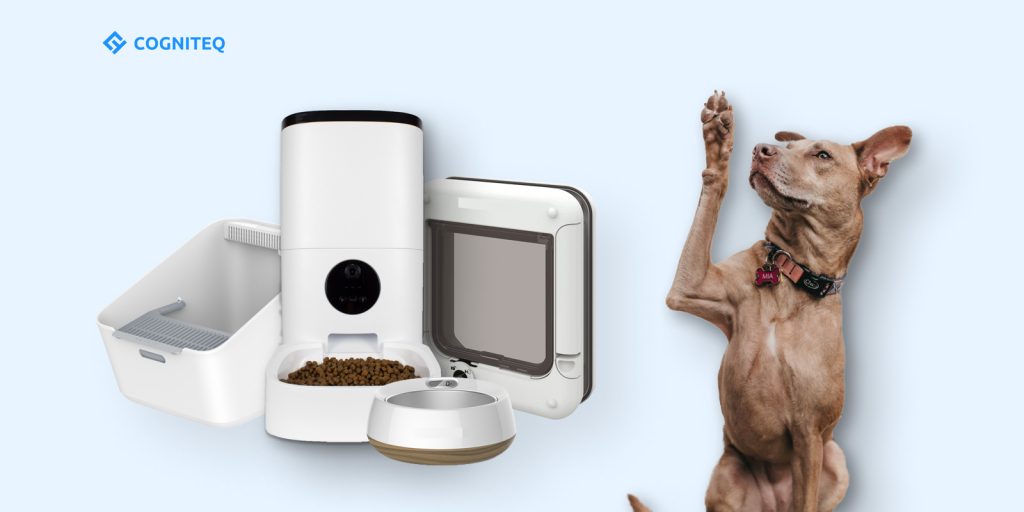
One of the most notable advancements is the implementation of electronic medical records (EMRs). Instead of relying on paper charts, veterinary clinics are now adopting digital record-keeping systems. This shift allows for enhanced data management, where pet histories, vaccination records, and treatment plans can be updated and accessed easily. For instance, a veterinarian in Enugu can quickly review a pet’s health records during an emergency, facilitating timely and informed decision-making. The centralized storage of data also aids in tracing vaccinations and health trends, thereby improving overall disease management.
The Rise of Mobile Applications
In addition to EMRs, the launch of mobile applications specifically designed for pet care is a noteworthy shift. These apps empower pet owners with vital information: from vaccination schedules to dietary guidelines. A pet owner in Kano can receive reminders for their dog’s next vaccinations or access a nutritional guide tailored to their pet’s specific breed. With the rise of smartphone ownership in Nigeria, these mobile solutions are becoming increasingly accessible, making proactive pet healthcare a realistic endeavor for many households.
- Pet Health Tracking: Apps enable pet owners to log health metrics such as weight changes, medication schedules, or even behavioral observations, alerting them to potential health concerns.
- Emergency Resources: Many applications provide access to nearby veterinary hospitals and emergency hotlines, ensuring that help is just a click away in times of need.
- Community Support: Social features within these apps connect pet owners with local communities, allowing them to share experiences, concerns, and tips for better pet care.
Moreover, the growing adoption of drones and robotics in animal health services hints at an exciting future. While still in its infancy, the use of drones for remote areas can facilitate the delivery of medications and supplies, especially in hard-to-reach rural locations. In fact, drones have already been successfully trialed in various countries to deliver vaccines to livestock in remote areas, showcasing a model that could be replicated for pet care in Nigeria.
As these innovations permeate the pet care industry, it is evident that they are shaping a new paradigm. Pet owners not only benefit from improved access to essential services, but veterinarians are also equipping themselves with tools that enhance their capabilities. This infusion of technology fosters a collaborative approach to pet health, where informed pet ownership is not just encouraged, but thrust into the foreground of responsible animal care.
| Advantages | Insights |
|---|---|
| Improved Diagnostics | AI-driven tools and wearables allow for real-time monitoring of pet health. |
| Telemedicine Access | Virtual consultations offer convenient and timely advice, reducing stress for both pets and owners. |
| Personalized Treatment Plans | Utilizing genetic information and detailed health data creates tailored care solutions for individual pets. |
| Enhanced Pet Insurance | Data analytics in health tech can optimize insurance plans, making pet care more affordable. |
The realm of technological innovations in animal health services is rapidly evolving, effectively transforming traditional pet care into a more proactive and personalized experience. One striking example involves the integration of artificial intelligence with veterinary practices. AI-driven diagnostics have the potential to reduce the time needed for identifying pet ailments, allowing for immediate intervention and, ultimately, better outcomes for beloved pets. Furthermore, the rise of telemedicine in pet care not only mitigates anxiety during visits but also expands access to expert veterinary advice from the comfort of home, making healthcare more inclusive and efficient. Alongside these advancements, the development of personalized treatment plans enhances the quality of care through customized health solutions based on genetic and lifestyle factors.These trends highlight how innovations can contribute to the health and well-being of pets while redefining the entire landscape of pet care services. As these technologies continue to progress, they promise a future where pet care is even more responsive and tailored to meet the physical and emotional needs of our furry companions.
RECOMMENDED: Check out this similar article
Telemedicine: Bridging the Gap in Veterinary Care
One of the standout innovations reshaping veterinary services is the advent of telemedicine, which allows pet owners to consult with veterinarians remotely. This development is particularly beneficial for the bustling urban populations in Nigeria, where travel times to clinics can be considerable. By utilizing video conferencing tools and dedicated pet telehealth platforms, veterinarians can assess symptoms, provide consultations, and guide treatment from a distance. For instance, a pet owner in Lagos who notices unusual behavior in their pet can quickly schedule a virtual appointment, receiving expert advice on whether immediate veterinary intervention is necessary.
As studies show that telemedicine can reduce operational costs and increase pet owner satisfaction, it stands as a formidable asset in veterinary care. Furthermore, the high demand for veterinary services, especially in densely populated cities, can overwhelm local clinics. Telemedicine acts as a force multiplier; it not only streamlines the workload for veterinarians but also expands the reach of quality care to underserved areas. One key aspect of this model is the inclusion of digital diagnostics, where pet owners can send pictures and videos of their pets’ conditions, providing veterinarians with valuable information to make more accurate assessments.
The Importance of AI and Data Analytics
As the veterinary field embraces the digital age, the role of artificial intelligence (AI) and data analytics cannot be overstated. AI systems are now being developed to assist in diagnosing illnesses based on symptoms reported by pet owners. By analyzing extensive databases of animal health records, these AI tools can suggest possible conditions and even recommend treatment plans. This technology can potentially reduce the time taken for diagnosis and improve the accuracy of vet visits.
Data analytics offers additional advantages by helping clinics track disease outbreaks and health trends among different animal populations. For example, if a rise in canine parvovirus is detected in a specific area, veterinarians can initiate targeted outreach programs to vaccinate affected pets, arguably preventing a wider epidemic. This proactive approach emphasizes the shift from reactive to preventive veterinary care, aligning with the global move towards public health awareness.
Wearable Technology for Pets
The introduction of wearable technology, such as smart collars and health monitors, is another exciting development. These gadgets can track a pet’s physical activity, monitor vital signs, and even alert owners to potential health issues. For example, a collar with a GPS feature can ensure a pet’s safety, giving owners peace of mind. In Nigeria’s urban sprawl, where pets sometimes go missing, such technology offers a feasible solution for concerned pet owners.
Data collected from these devices can also be shared with veterinarians, contributing to personalized health plans and ongoing health assessments. By utilizing this information, veterinarians can make more informed recommendations regarding diet, exercise, and preventive care. This fusion of technology and veterinary practice reflects a deeper understanding of pet well-being, focusing on proactive care rather than reactive treatments.
As these technologies evolve and become increasingly integrated into everyday pet care, they signify a remarkable transformation within the veterinary field. For stakeholders in animal health services and pet ownership, these developments herald a future where technology and compassion unite to promote the health and happiness of pets across Nigeria.
LEARN MORE: This related article may interest you
Looking Ahead: The Future of Pet Care
In conclusion, the landscape of animal health services is undergoing a profound transformation driven by innovative technologies. The adoption of telemedicine is breaking down geographical barriers, allowing pet owners across Nigeria, from Lagos to Kano, to access high-quality veterinary care without the inconvenience of long travel times. As virtual consultations become routine, they herald a new era of conveniency and efficacy in pet healthcare.
Furthermore, the integration of artificial intelligence (AI) and data analytics promises to revolutionize diagnostics and treatment planning, paving the way for a more proactive approach to pet health. With AI helping veterinarians pinpoint diseases faster and more accurately, the future looks brighter for early intervention and enhanced outcomes. Additionally, the valuable insights gathered through data analytics can bolster public health initiatives, catapulting animal welfare to new heights.
The emergence of wearable technology also introduces an enriching dimension to pet care, enabling pet parents to monitor their companions’ health metrics in real-time. As these devices evolve, they foster a partnership between pet owners and veterinarians that enriches the animal human bond and emphasizes preventive care over reactive measures.
As Nigeria advances in embracing these technological innovations, a promising future lies ahead—one where compassionate care collaborates seamlessly with cutting-edge technology to improve animal health services. For pet owners, this signifies an exhilarating opportunity to enhance the quality of life for their furry friends while contributing to a broader cultural shift towards responsible pet ownership and health sustainability. The time has come to embrace these advancements and ensure our beloved pets receive the care they truly deserve.
Related posts:
Telemedicines Impact on Pet Health in Nigeria A New Era in Care
The Importance of Telemedicine for Veterinarians and Pet Owners in the Digital Age
The Importance of Affordable Veterinary Services for Animal Health in Nigeria
The Impact of Government Policies on Access to Animal Health Services in Nigeria
The Role of Social Media in Raising Awareness about Animal Health in Nigeria
The Importance of Continuous Training for Veterinarians in Improving Animal Health Services

Linda Carter
Linda Carter is a writer and pet care expert specializing in pet health, grooming, and wellness. With extensive experience helping pet owners create safe, loving, and enriching environments for their animals, Linda shares her knowledge on our platform. Her goal is to empower readers with practical advice and strategies to ensure their pets thrive and lead joyful, healthy lives.