
The Importance of Socialization in Puppy Development: Tips for a Well-Adjusted Companion

Understanding the Importance of Puppy Socialization
Welcoming a puppy into your home is a delightful experience, yet it comes with the responsibility of ensuring they grow into a well-adjusted companion. One of the most critical aspects of a puppy’s development is socialization. Proper socialization shapes their behavior, temperament, and overall happiness throughout their lives.
Why is socialization so vital? Here are some key reasons:
- Adaptability: A well-socialized puppy is more adaptable to different environments and situations, from bustling markets to quiet neighborhoods. Early exposure to diverse settings can help reduce fear when encountering new experiences later in life.
- Behavioral Control: Proper socialization helps prevent behavioral issues such as aggression, anxiety, or excessive barking. For instance, a puppy that has been introduced to various people and pets is less likely to react nervously when encountering a stranger or another dog.
- Confidence Building: Exposure to various people, animals, and experiences builds a puppy’s confidence. Engaging in social activities—such as attending pet-friendly events—helps puppies learn to navigate social cues and fosters relaxed behavior around others.
In Nigeria, where community plays a pivotal role, teaching your puppy to interact positively with other pets and people is especially crucial. In urban environments, puppies will encounter a diverse population, including children, elders, and vendors in markets. Socialization is not just about play; it’s about fostering a harmonious relationship within your household and the larger community. A well-socialized dog is more likely to be welcomed in various social settings, from family gatherings to local festivals.
Socialization encompasses various activities, such as:
- Visits to parks and public spaces, where puppies can enjoy playful interactions with other dogs and humans.
- Meeting different animals and people, including friendly neighbors or other households with pets, helps create positive associations.
- Introducing them to various sounds and environments, like bustling marketplaces or quiet alleyways, desensitizes them to new stimuli.
The journey of socializing your puppy starts early and shouldn’t be overlooked. Experts suggest beginning socialization as early as 3 to 14 weeks of age when puppies are particularly receptive. Each positive experience lays the foundation for a sociable, confident, and well-adjusted dog—a companion who will thrive not only in your home but in the bustling streets of Nigeria.
Ultimately, the responsibility of socializing your puppy is a rewarding endeavor that enhances their quality of life and strengthens the special bond shared between you. By investing time and effort into proper socialization, you are not only nurturing a delightful companion but also contributing to a more harmonious community.
CHECK OUT: Click here to explore more
Key Steps to Successful Puppy Socialization
To truly harness the benefits of socialization, a structured and intentional approach is required. This process goes beyond mere exposure to different environments; it involves creating positive experiences that promote healthy development in your puppy. Here are some crucial steps to ensure your puppy receives the socialization they need:
- Start Early: The critical window for puppy socialization falls between 3 to 14 weeks of age. During this period, puppies are particularly receptive to new experiences. Engaging them in social activities early on is essential for helping them develop a strong foundation for future interactions.
- Controlled Introductions: When introducing your puppy to new people, other pets, or environments, ensure these introductions are positive and controlled. Avoid overwhelming situations; instead, gradually increase exposure to various stimuli while monitoring their reactions.
- Encourage Positive Interactions: Reward your puppy with treats and praise for calm and friendly behavior when they meet new people or pets. This positive reinforcement helps them associate new experiences with good feelings.
- Enrichment Activities: To further enhance socialization, consider incorporating enrichment activities that challenge your puppy mentally and physically. Activities such as obedience training, agility courses, or even simple games can help improve their confidence and adaptability.
In the context of Nigeria, the hustle and bustle of market life presents an excellent opportunity for socialization. Bringing your puppy along during a trip to the local market can help them experience different sights, sounds, and scents while interacting with people of various ages and backgrounds. This exposure helps them become well-rounded and less fearful of everyday life.
Moreover, living in a community-oriented environment underscores the importance of creating a friendly and social pet. Puppies that are accustomed to interacting with local residents, vendors, and other children or animals are likely to develop stronger social skills, leading to a more peaceful coexistence in community spaces.
In addition to socialization efforts, monitoring your puppy’s health is vital. Ensure they are up to date on vaccinations to protect them from potential infections while meeting new friends. This makes it easier and safer to engage them in different social settings, ensuring their well-being during their formative weeks.
Remember, the journey to socializing your puppy is not a race; it’s an ongoing process that requires patience and commitment. Each step taken to introduce them to the world contributes significantly to their long-term wellbeing. A well-socialized puppy doesn’t just flourish in their immediate environment but also becomes a beloved member of the community, forging strong connections with those around them.
The Role of Socialization in Puppy Development
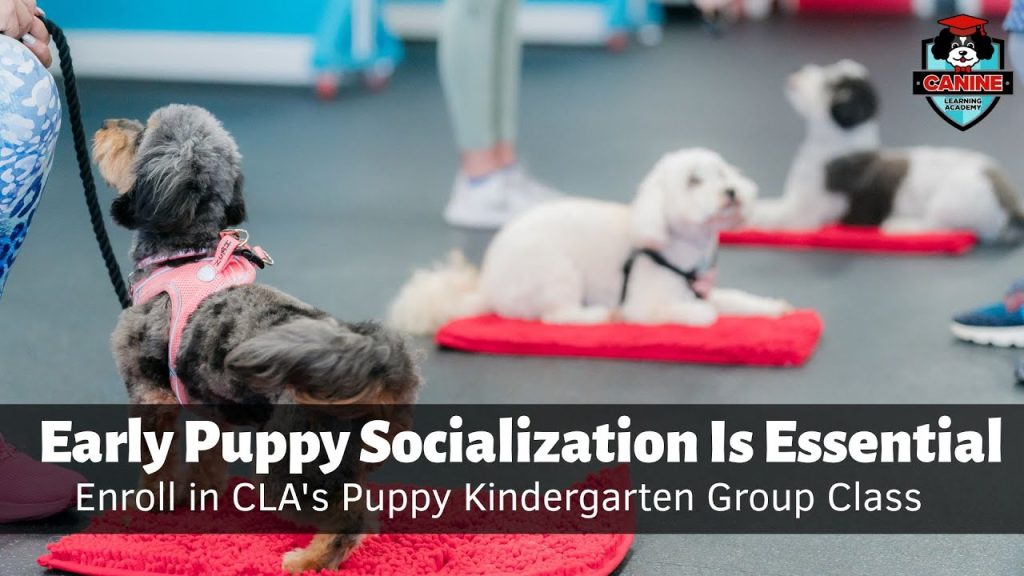
Socialization during the formative weeks is critical for puppies as it lays the groundwork for their future behavior. Early exposure to a variety of environments, people, and other animals enhances a puppy’s adaptability and resilience. Without proper socialization, puppies may develop fear-based behaviors or anxiety, making them difficult companions in daily life. One of the most beneficial strategies is to arrange puppy playdates with other dogs. This not only helps to refine their social skills but also teaches them essential communication cues, such as body language and vocalizations. Being around well-mannered adult dogs can greatly influence a puppy’s behavior, teaching them how to interact positively. Additionally, exposure to different environments—such as busy streets, parks, or even varying weather conditions—can eliminate fearfulness later in life. By allowing puppies to encounter various sights and sounds, they learn to cope with new experiences without fear or aggression. Moreover, enrolling in a puppy kindergarten class can provide structured experiences for socialization. Such classes promote positive interactions with both dogs and people, reinforcing the notion that new experiences can be enjoyable. Having a professional guide in these interactions helps to ensure that the experiences are positive and beneficial.Taking the time to invest in socialization can result in a puppy that is not only well-adjusted but also a joy to have around. These critical early lessons create a foundation of confidence and friendliness that contributes to a well-rounded adult dog. Before diving into the details of implementing a socialization strategy, it’s beneficial to examine how creating a rich, varied environment contributes holistically to a puppy’s journey of development. As you navigate this stage, remember that consistent efforts pay off in the long run, resulting in a happy and balanced canine companion.
| Socialization Method | Advantages |
|---|---|
| Puppy Playdates | Enhances social skills and communication with peers. |
| Puppy Kindergarten Classes | Offers structured, positive interactions with other dogs and humans. |
| Exposure to Busy Environments | Fosters adaptability and reduces fearfulness. |
The path to a well-adjusted dog is paved with experiences during the early socialization period. Engaging methods not only nurture a puppy’s development but also enhance the bond between the pet and its owner. Socialization should be viewed not as an option but as a necessity for a fulfilling canine life.
RECOMMENDED: Check out this similar article
Overcoming Common Socialization Challenges
While the groundwork for socializing your puppy is essential, it’s also important to recognize and address potential challenges that may arise during this journey. Various factors can inhibit a puppy’s socialization process, but with the right strategies, these hurdles can be effectively managed.
- Fear and Anxiety: Some puppies may exhibit fear or anxiety in new situations, making them hesitant to engage with unfamiliar people or environments. It is crucial to approach these moments with a calm demeanor. Gradually introduce them to different stimuli, starting from a distance and slowly moving closer as they become more comfortable. This technique, often known as desensitization, can significantly help reduce their fear responses.
- Overstimulation: Puppies are often bombarded with excessive stimuli when exposed to bustling environments like markets or parks. This can lead to overwhelming feelings, prompting them to retreat or lash out. To prevent overstimulation, limit exposure times and provide breaks when necessary. The goal is to create positive experiences without overwhelming them.
- Negative Experiences: A single traumatic encounter can shape a puppy’s behavior for years. If a puppy has a bad experience, such as being startled by loud noises or treated harshly by a stranger, it can develop lasting fear or aggression. Always ensure interactions with new people and animals are positive and controlled to mitigate the chance of these negative experiences.
As a community-focused country, Nigeria offers diverse opportunities for enriching your puppy’s social skills. Attend community events, festivals, or dog shows, where your pup can engage with other pets and socialize with people. Notably, local celebration gatherings allow for a relaxed and joyful environment, making socialization less stressful for your puppy.
Furthermore, joining puppy training classes can provide invaluable exposure. These classes allow puppies to interact with their peers in a supervised space, learning valuable skills while also developing their social confidence. Many dog trainers in Nigeria incorporate fun games and challenges that aid in making these sessions enjoyable for both puppies and their owners.
Incorporating Routine and Consistency
Having a routine is a powerful support system in the socialization process. Puppies thrive in environments where they can anticipate activities and outcomes. Structure your day to include regular periods for socializing, training, and recreation. This predictability helps reduce anxiety for both you and your puppy. Keep in mind that consistency in commands, expectations, and even socialization timing fosters a sense of security and clarity as your puppy learns about the world around them.
The significance of socialization in puppy development cannot be overstated. While the early stages lay the groundwork for effective interactions in their lives, the commitment of every caregiver in fostering these skills is equally essential. Taking the time to expertly navigate the challenges and actively engage them in a variety of social settings will produce a well-adjusted and sociable companion ready to thrive within their community.
In Nigeria’s vibrant cultural landscape, the heartwarming bond between humans and dogs can be a testament to successful puppy socialization. As you work diligently to ensure your puppy is confidently socialized, you contribute not only to their happiness but to a stronger, more connected community that values harmony between all living beings.
SEE ALSO: Click here to read another article
Conclusion
In summary, the importance of socialization in puppy development is undeniable. It serves as the foundation upon which your puppy builds its perception of the world, influencing their behavior and interactions for a lifetime. By actively engaging in diverse social experiences, you enable your puppy to develop confidence, adaptability, and social skills necessary for a well-adjusted companion.
The journey of socialization may come with its challenges; however, addressing fears, managing overstimulation, and ensuring positive experiences can significantly enhance your puppy’s development. Furthermore, Nigeria’s rich cultural landscape offers numerous opportunities for social interaction, from community events to puppy training classes that can reinforce these essential skills. Taking advantage of these resources not only benefits your puppy but also strengthens the bond between you and your pet, contributing to a harmonious coexistence in your community.
As you implement the tips and techniques discussed, remember that consistency and routine are key components in this process. Patience, engagement, and understanding can transform your puppy into a well-rounded dog capable of enjoying varied relationships with humans and other animals alike. Ultimately, investing time and effort into your puppy’s socialization journey will yield long-term rewards, leading to a joyful, well-adjusted friend who enriches your life and those around them.
Related posts:
The importance of training elderly dogs: adapted techniques for senior dogs
Developing Training Skills for Service Dogs: A Practical Guide
Effective Dog Training Techniques for Beginners in Nigeria
Using Technology in Pet Training: Apps and Gadgets that Assist in the Process
How to use positive reinforcement to modify unwanted behaviors in pets
Fun Trick Training: How to Stimulate Your Pet's Mind While Having Fun

Linda Carter
Linda Carter is a writer and pet care expert specializing in pet health, grooming, and wellness. With extensive experience helping pet owners create safe, loving, and enriching environments for their animals, Linda shares her knowledge on our platform. Her goal is to empower readers with practical advice and strategies to ensure their pets thrive and lead joyful, healthy lives.