
The Integration of Traditional and Veterinary Medicine Practices in Animal Health in Nigeria
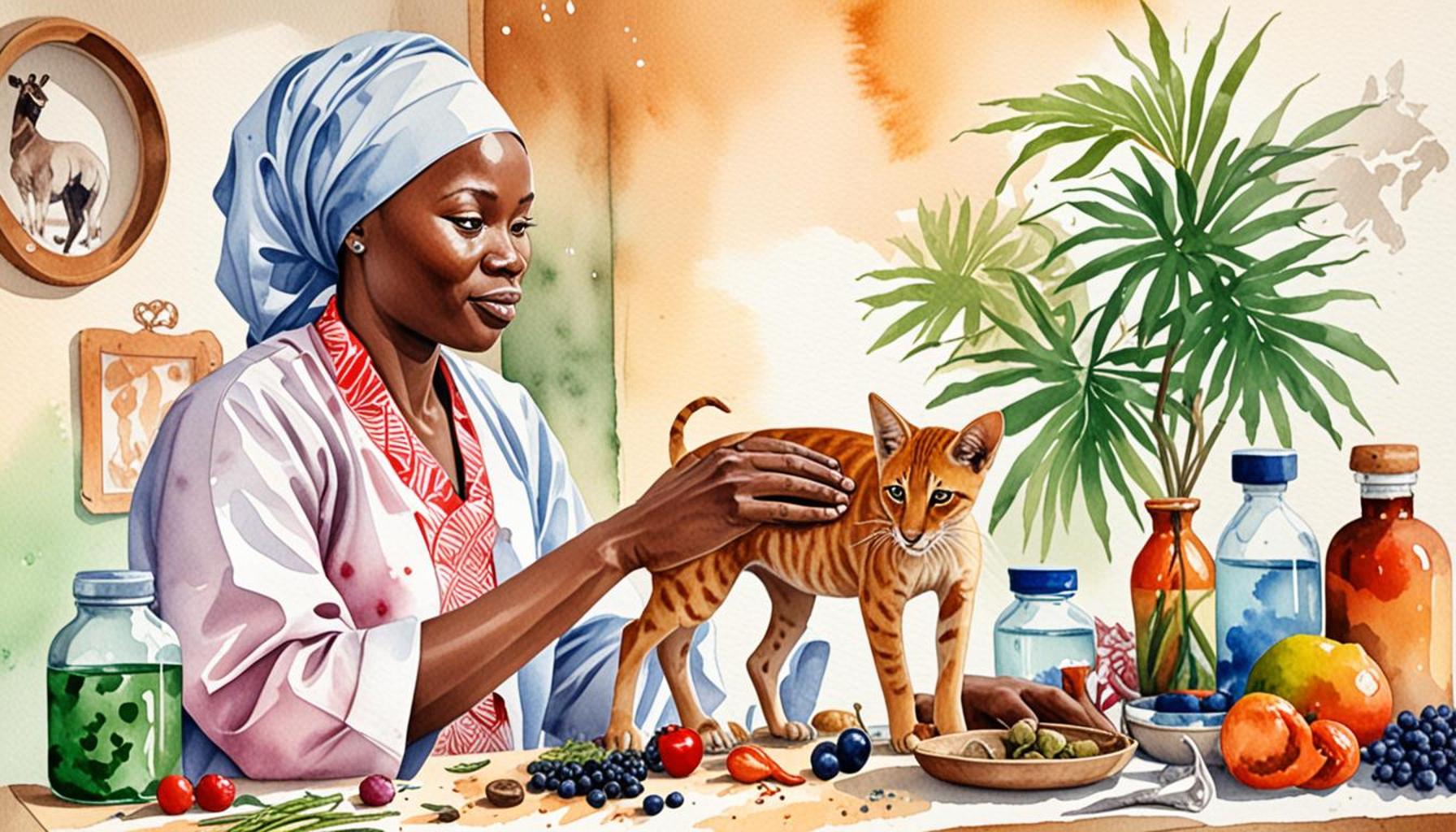
Exploring the Integration of Traditional and Veterinary Medicine in Nigeria
In the vibrant tapestry of Nigerian agriculture, the intersection of traditional and veterinary medicine provides intriguing insights into animal health management. For local farmers and livestock owners, the choice between modern veterinary practices and long-standing traditional remedies often poses a significant dilemma. Each approach has its merits, impacting animal welfare and productivity in diverse ways.
This collaboration is crucial for several compelling reasons:
- Diverse Treatment Options: Traditional practices offer a variety of treatment options that can complement modern veterinary approaches. For instance, many farmers rely on herbal solutions like neem leaves or ginger to treat common ailments in cattle, while using vaccines and antibiotics for more serious diseases. Such integration not only enhances the range of therapies available but also allows for a more holistic treatment strategy that can tackle various health challenges.
- Cultural Relevance: In many Nigerian communities, traditional medicine holds a significant place in cultural identity and practices. Knowledge passed down through generations informs healing methods and is often preferred due to its familiarity and the integration of local beliefs. This trust in traditional remedies can lead to better compliance among farmers and owners, ultimately enhancing animal health.
- Cost-Effectiveness: While modern veterinary care is essential, it often comes at a price that can be prohibitive for many smallholder farmers. Traditional remedies frequently present a more affordable alternative, particularly in rural areas where access to veterinary services may be limited. For example, using local plants as dewormers can significantly reduce expenses while ensuring that livestock remain healthy and productive.
Furthermore, emerging research supports the efficacy of certain traditional practices, suggesting they possess tangible benefits for animal health. Studies indicate that the use of certain indigenous medicinal plants can be effective in treating specific diseases, thereby improving livestock health and productivity.
However, the integration of traditional and veterinary medicine raises essential questions about safety, efficacy, and the future of animal health in Nigeria. What frameworks can be established to ensure that these two paradigms work cohesively? Exploring synergies might lead to innovative solutions that not only respect cultural practices but also enhance animal welfare outcomes.
As Nigeria continues to grapple with the challenges of animal health management, focusing on a collaborative approach may inspire new thinking and adaptive strategies that benefit farmers, veterinarians, and livestock alike. The amalgamation of traditional knowledge with contemporary veterinary science presents a promising pathway towards sustainable animal health practices and increased agricultural productivity.
ADDITIONAL INSIGHTS: Expand your understanding here
The Harmony of Healing: Bridging Traditional and Veterinary Practices
The intricate landscape of animal health in Nigeria is marked by a unique blend of traditional and veterinary medicine practices. In a nation where agriculture remains a cornerstone of the economy, the health of livestock is paramount. With approximately 60% of the Nigerian population engaged in farming, innovative solutions are necessary to ensure the sustainability of livestock production. As such, the accompaniment of traditional practices with veterinary science can lead to comprehensive and effective animal health management.
One of the remarkable aspects of traditional medicine is its rich historical context. Many communities have relied on indigenous knowledge that spans generations, often attributing their animal husbandry successes to specific plants and concoctions rooted in tradition. These practices are not just anecdotal; they often stem from a deep understanding of local ecosystems and animal behavior. For instance, the use of moringa leaves for improving livestock nutrition and the application of turmeric for its anti-inflammatory properties are just a couple of examples where tradition meets practicality.
Furthermore, the significance of traditional healers in rural areas cannot be overstated. Many farmers turn to these practitioners for not only their remedies but also their understanding of the unique challenges faced by local livestock. By valuing the role of traditional healers, the veterinary profession can develop a more cohesive and integrated approach to animal care. This collaboration could lead to:
- Enhanced Communication: Improved dialogue between veterinarians and traditional healers can foster a better understanding of treatment protocols, reducing the chances of conflicting methods that may confuse farmers.
- Shared Diagnostic Insights: Leveraging both traditional and veterinary diagnostic methods may provide a fuller picture of animal health issues, allowing for more efficient treatments.
- Joint Research Opportunities: As science evolves, studies can be conducted to validate traditional remedies, creating a strong evidence base for their efficacy and safety.
However, integrating these two systems is not without its challenges. The credibility of traditional practices in the face of modern science often comes under scrutiny. To address these concerns, a more structured approach is necessary—establishing regulatory frameworks that recognize traditional knowledge while ensuring safety protocols akin to those in veterinary medicine could pave the way for this integration.
One potential solution is the establishment of community-based programs that empower local farmers through education. Such initiatives can emphasize the benefits of both practices, encouraging farmers to utilize them in conjunction with one another. Training sessions and workshops can illuminate how best to combine traditional remedies with veterinary care, leading to healthier livestock and improved farm productivity.
As Nigeria aims to advance its agricultural sector amidst economic transformations, embracing a dual-focused approach on animal health could yield significant results. By recognizing the value of traditional medicine alongside veterinary interventions, farmers can harness the best practices of both worlds, ensuring vibrant livestock populations that are not only healthy but also productive.
| Advantages | Details |
|---|---|
| Cost-Effectiveness | Utilizing traditional remedies can significantly reduce healthcare costs for farmers, allowing them to allocate resources efficiently. |
| Cultural Relevance | Integrating traditional practices honors the cultural beliefs of local communities, leading to increased acceptance and adherence among farmers and livestock caretakers. |
| Improved Animal Welfare | Combining practices leads to a holistic approach in treating animals, enhancing their overall well-being and productivity. |
| Knowledge Exchange | Promotes a beneficial exchange of knowledge between traditional healers and veterinary professionals, fostering improved animal care strategies. |
The move towards a blended approach creates a synergy that not only addresses immediate health issues but also reinforces the long-standing relationship between communities and their livestock. When traditional practices are recognized as part of veterinary education, cultural heritage becomes integrated into health strategies, enhancing the commitment of those involved. This evolving landscape of animal health in Nigeria presents endless possibilities for unlocking the full potential of livestock production while preserving traditional wisdom. By encouraging research on local herbal medicines and their efficacy, this approach could lead to a renaissance in animal healthcare, setting the stage for sustainable development in the sector. The dialogue between these two systems ought to be nurtured to ensure that animal health solutions are comprehensive, effective, and aligned with community values.
LEARN MORE: This related article may interest you
Collaborative Models for Animal Health: A Path Forward
The integration of traditional and veterinary medicine practices in Nigeria offers a promising pathway to elevate animal health care systems. As the country engages in a deeper exploration of its agricultural needs, the focusing lens on sustainable livestock management highlights the growing necessity for collaboration between the two disciplines. Several innovative models provide tangible examples of how this integration can flourish, showcasing the potential benefits for livestock health and farmer prosperity.
One such model is the incorporation of community health workers who are trained to understand both traditional and veterinary practices. These individuals can serve as crucial intermediaries, facilitating communication between veterinarians and traditional healers. For instance, programs in northern Nigeria that train farmers on animal welfare incorporate aspects of both traditional practices, such as the use of indigenous herbal remedies, while ensuring veterinary oversight. This holistic approach promotes a shared responsibility for animal health, enabling farmers to leverage both local knowledge and scientific advancements.
The value of education plays a crucial role in this integration. Agricultural extension services can be harnessed to educate farmers about the efficacy of combining traditional and veterinary treatments, which can expand their toolkit for managing livestock health. By cultivating an understanding of both frameworks, farmers become empowered decision-makers in their livestock care journey. Regular workshops and seminars led by both traditional and veterinary practitioners can dismantle misconceptions while fostering a respectful collaboration that includes diverse perspectives.
Moreover, the potential for research collaborations cannot be overlooked. Joint studies between universities and traditional medicine practitioners can pave the way for credible scientific validation of traditional remedies. Such initiatives could explore the pharmacological properties of widely used plants in local settings, setting a foundation for evidence-based practices. For example, collaborative projects on the efficacy of neem leaves, known for their antiseptic properties, in combating livestock parasites could not only enhance animal health but also bridge the gap between traditional wisdom and scientific verification.
Another vital aspect of integration is the increase in accessibility to veterinary services in rural communities. Mobile veterinary clinics that utilize both traditional healing and scientific veterinary practices can be a game-changer. These clinics could address common issues while respecting local customs, ensuring that treatment methods resonate with the farmers’ cultural beliefs. For instance, the combination of on-site veterinary consultations with local herbalist recommendations can deliver comprehensive, culture-sensitive care while improving livestock productivity.
Challenges remain as this integration process unfolds. Issues such as regulatory support for traditional practices, standardization of treatment approaches, and ensuring the safety of remedies need to be addressed systematically. Establishing partnerships with local governments and NGOs could lead to the development of comprehensive health policies that embrace a dual approach, fostering an environment where both traditional and veterinary practitioners contribute to animal health advancement.
Ultimately, the potential for improved animal health through the integration of traditional and veterinary medicine is vast. As Nigeria embarks on a journey toward a more sustainable agricultural future, creating avenues for collaboration can yield significant benefits, enhancing the resilience of the farming community and securing the health of livestock across the nation.
SEE ALSO: Click here to read another article
Conclusion: Bridging the Gap for a Healthier Future
The integration of traditional and veterinary medicine practices in animal health in Nigeria stands at a pivotal juncture, with the potential to revolutionize livestock care and bolster the agricultural sector. By creating a synergistic framework that combines indigenous knowledge with modern veterinary science, Nigeria can enhance its strategies for sustainable livestock management. This collaboration not only respects the cultural heritage of traditional practices but also elevates the standards of animal health through scientific validation.
As highlighted throughout this article, the significance of training community health workers, improving accessibility to veterinary services, and fostering educational initiatives cannot be overstated. These strategies empower farmers to make informed decisions, optimize livestock health, and ultimately drive productivity. Moreover, fostering research collaborations between universities and traditional practitioners is crucial for validating the pharmacological benefits of widely used herbal remedies, thus solidifying the confluence of both medical paradigms.
While challenges such as regulatory support and standardization of practices persist, they can be addressed through strategic partnerships with local governments and non-governmental organizations. By embracing this dual approach, Nigeria has an opportunity to create holistic health policies that recognize and harness the strengths of both traditional and veterinary practices. This alignment promises not only to improve animal health but also to uplift the livelihoods of farmers across the nation.
In conclusion, the integration of traditional and veterinary medicine represents a progressive frontier in Nigerian agriculture that merits further exploration and investment. As the nation strives toward a resilient future, recognizing and actively promoting this collaborative framework will pave the way for healthier livestock and thriving communities.
Related posts:
The Role of Community Education in Improving Animal Health Services in Nigeria
The Importance of Preventive Health in Pets in Nigeria
The Importance of Continuous Training for Veterinarians in Improving Animal Health Services
The Role of Veterinarians in Education on Pet Health Care
The Importance of Dental Health in Pets and Its Impact on Overall Health
Challenges and Solutions for Access to Animal Health Services in Rural Communities in Nigeria

Linda Carter
Linda Carter is a writer and pet care expert specializing in pet health, grooming, and wellness. With extensive experience helping pet owners create safe, loving, and enriching environments for their animals, Linda shares her knowledge on our platform. Her goal is to empower readers with practical advice and strategies to ensure their pets thrive and lead joyful, healthy lives.