
The importance of socialization for the emotional well-being of pets in urban environments
Understanding the Role of Socialization in Pet Wellness
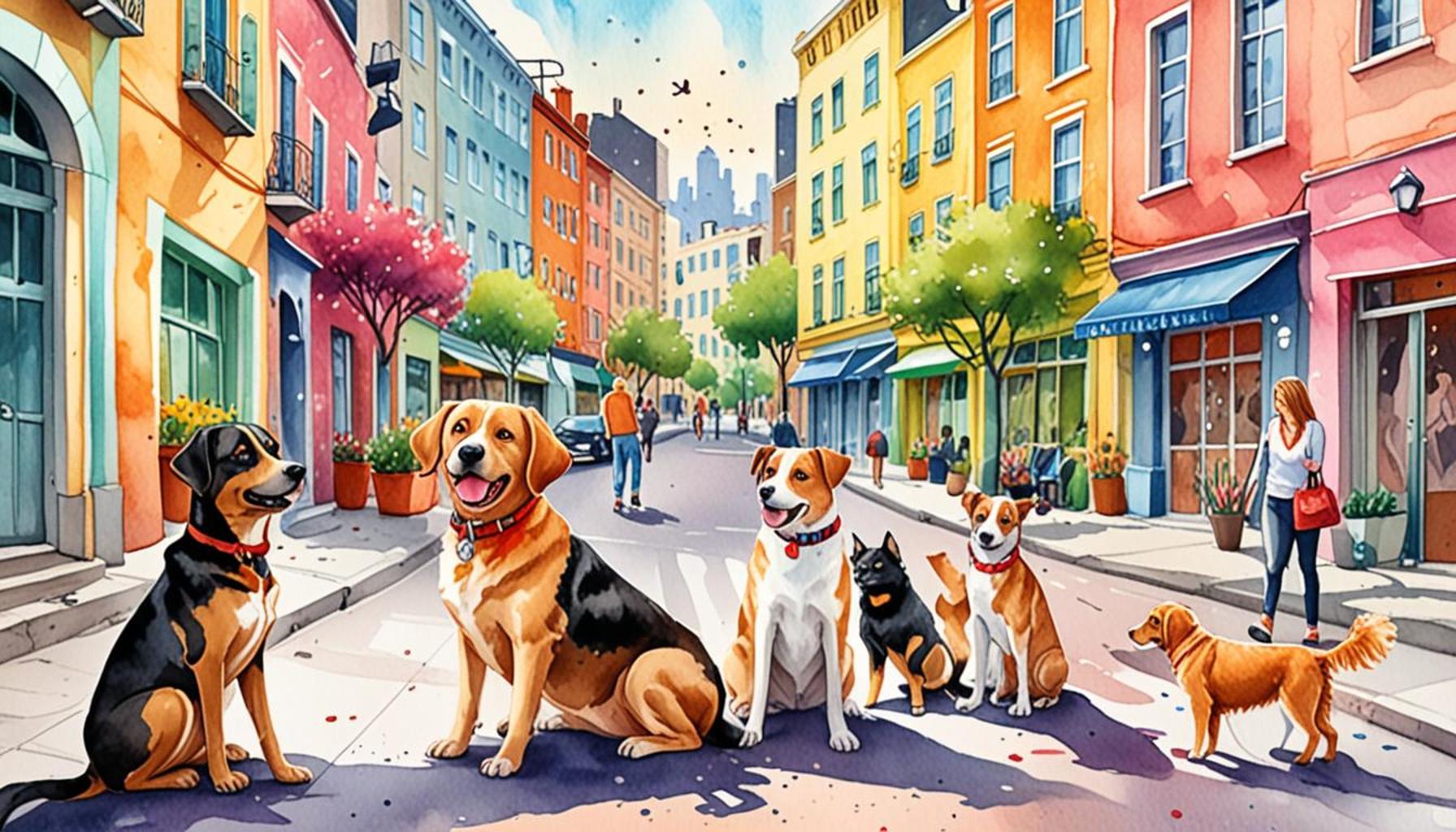
In bustling urban environments, the emotional well-being of our pets often takes a backseat. With the hustle and bustle of city life, many pet owners may overlook the crucial need for socialization. Yet, this aspect is key to ensuring our furry friends thrive amid the chaos. As urban living becomes increasingly common, particularly in rapidly growing cities in Nigeria, recognizing the necessity of socialization at an early age for pets is more pertinent than ever.
Socialization goes beyond just playdates with other animals. It involves a comprehensive range of activities that enable pets to become well-adjusted members of society. This includes:
- Exposure to various environments: Taking pets to parks, markets, or even busy streets allows them to experience different sights and smells, reducing anxiety in unfamiliar situations.
- Interaction with other pets and people: Engaging in training classes or joining pet clubs can foster positive associations with humans and other animals, promoting friendly behavior.
- Encounters with different sounds and stimuli: Regularly exposing pets to noises such as traffic, construction, or music can help them adapt and remain calm instead of becoming fearful.
Research has shown that pets that are sufficiently socialized tend to have:
- Reduced anxiety and stress levels: Socialization helps them feel comfortable in diverse settings, minimizing phobias and anxiety-driven behaviors.
- Better adaptability to urban life: Pets that are exposed to city environments at a young age adjust better to the fast pace of urban living, which can prevent behavioral issues later on.
- Improved behavior and temperament: Well-socialized pets are typically more balanced, leading to fewer issues like aggression or fear-related behaviors.
In Nigeria, where urbanization is on the rise, the significance of pet socialization is more pronounced. As cities like Lagos and Abuja evolve, pets are often confined within smaller living spaces, making social interaction crucial for their happiness. Without regular social exposure, pets may struggle to cope with the various challenges of urban living, leading to stress and behavioral problems. For example, a dog that only interacts with its owner may develop anxiety when encountering strangers or other animals.
Understanding the requirements for proper socialization can lead to healthier, more balanced lives for our beloved companions. It’s vital for pet owners to prioritize these experiences, guiding their pets through the complexities of daily life. Some owners can utilize community resources, such as dog parks or organized social events designed for pets, to facilitate such interactions.
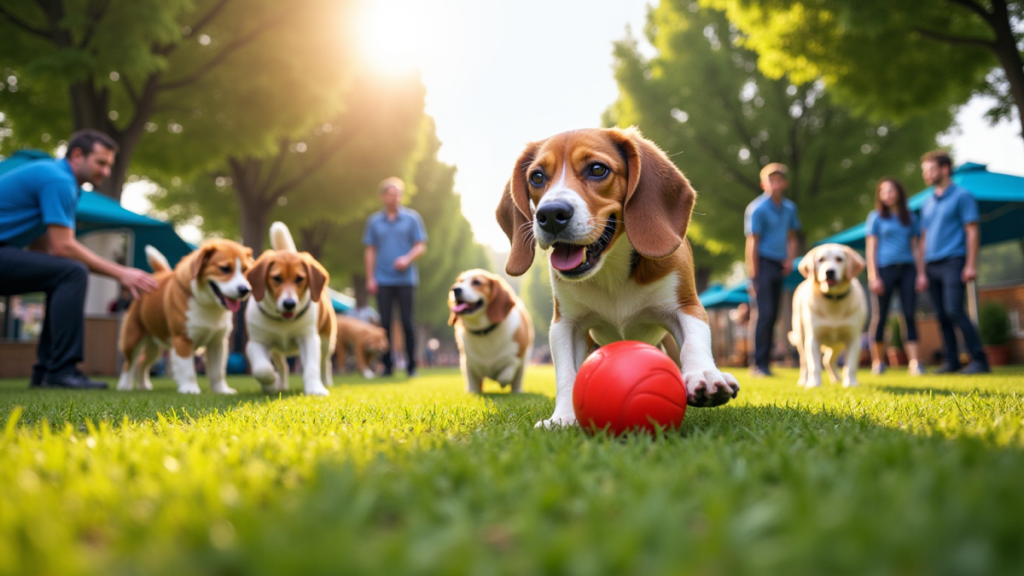
Explore the intricacies of socialization and its profound impact on the emotional well-being of pets in urban settings. By investing time and effort into this essential aspect of pet care, we equip our furry friends with the tools to thrive. The more we learn about effective socialization techniques, the better positioned we are to cater to the diverse needs of our four-legged family members.
ADDITIONAL INSIGHTS: Expand your understanding here
The Benefits of Socialization for Pets in Urban Areas
In urban areas, the emotional well-being of pets is intricately linked to their ability to socialize. It is crucial for pet owners to understand that socialization lays the foundation for a happy and well-adjusted companion. Pets, especially those living in environments characterized by high noise and activity, benefit significantly from routine social interactions. These engagements help mitigate feelings of loneliness, anxiety, and insecurity that often accompany urban living.
One of the most compelling benefits of socialization is the enhancement of emotional stability. When pets are exposed to a variety of people, places, and experiences, they develop a stronger sense of confidence. For example, a puppy who is taken to different parks around Lagos, where diverse crowds gather, learns to navigate both friendly and unfamiliar faces. This gradual exposure helps build their emotional resilience, an essential trait for surviving in the bustling cityscape.
Additionally, socialized pets are less likely to develop behavioral issues that can stem from fear or anxiety. Common problems such as excessive barking, biting, or hiding can often be traced back to insufficient exposure to different stimuli. The benefits of socialization can be summarized in the following key areas:
- Improved Interactions with Humans: Well-socialized pets exhibit positive behaviors, making them less likely to feel threatened by new acquaintances. A dog that meets various people regularly is less likely to shy away or growl at strangers during walks.
- Enhanced Interactions with Other Animals: Pets that frequently interact with other animals learn important social cues. This is especially crucial in urban settings, where encounters with other pets are common in parks or neighborhoods.
- Development of Coping Mechanisms: Regular exposure to city sounds—such as honking cars, construction noises, or music—can prevent pets from feeling overwhelmed. By attending events like dog meetups, pets learn to adapt to these sounds as part of their daily life.
Furthermore, the social dynamics of urban living often dictate the pace of a pet’s emotional development. For example, young pets taken to local dog parks not only make new friends, they also pick up valuable social behaviors from their canine peers. In Nigeria’s urban centers, where space can be limited, ensuring that pets have opportunities to socialize can significantly influence their well-being. The sounds and sights of city life can be daunting for pets that are not accustomed to them, leading to anxiety that might express itself in destructive behaviors or aggression.
In light of these factors, it becomes apparent that socialization is not merely a luxury for pets; it is a vital component of their emotional and psychological health. Pet owners are encouraged to create a structured socialization plan that includes various activities conducive to exposure and learning. Engaging in community gatherings, taking pets for daily strolls, or even participating in training sessions can all contribute to a more well-rounded pet.
The intricacies of socialization reveal its profound impact on the emotional well-being of pets residing in urban environments. It is essential for pet owners to invest time and energy into this crucial aspect of pet care, ensuring their furry companions are not just lifelong housemates, but also vibrant members of society.
Socialization is a crucial aspect of ensuring the emotional well-being of pets, particularly in urban environments where the pace is fast and the surroundings can be overwhelming. One of the primary benefits of socialization is the reduction of anxiety. Pets that are well-socialized are generally better equipped to cope with various stimuli, such as sounds, sights, and other animals typical in a city. It enables them to explore their surroundings confidently, alleviating fears that can lead to behavioral problems.
Furthermore, socialization helps in fostering better behavioral instincts. Pets that interact with other dogs and humans learn to communicate effectively, minimizing aggressive behavior and enhancing their understanding of social cues. This is essential in urban settings where encounters with unfamiliar stimuli are common. The interaction can also promote better adaptability to changing environments, making the transition easier for pets when faced with new situations, such as moving to a different neighborhood.
Moreover, consistent socialization has been shown to enhance bonding between pets and their owners. Engaging in social activities, such as visiting dog parks or attending pet-friendly events, strengthens the trust and affection pets feel towards their humans. This bonding can lead to improved obedience and a greater desire to please, fostering a healthy and enjoyable relationship.
Finally, socialized pets typically exhibit better health outcomes. Regular interaction through play and social exposure can increase physical activity, decreasing the risk of obesity and related health issues – a growing concern in urban environments. Keeping pets socially engaged leads to happier, healthier lives, which is why understanding the importance of socialization is vital for urban pet owners.
| Category | Description |
|---|---|
| Anxiety Reduction | Socialized pets cope better with urban stimuli. |
| Behavioral Instincts | Efficient communication minimizes aggressive behavior. |
| Bonding | Engagement leads to stronger trust between pets and owners. |
| Health Outcomes | Regular play can prevent obesity and related illnesses. |
CHECK OUT: Click here to explore more
Challenges of Socialization in Urban Living
While the benefits of socialization for pets living in urban settings are notable, it is equally important to recognize the unique challenges these environments pose. Many pet owners, especially those residing in densely populated cities like Lagos or Abuja, may inadvertently hinder their pets’ ability to engage socially due to a variety of factors, including space constraints and the fast-paced urban lifestyle.
The first challenge is limited space. Many urban dwellers live in apartments or homes that lack sufficient outdoor areas for pets to explore and interact freely. As a result, pets may be confined to small living spaces for extended periods, leading to behavioral issues such as boredom, anxiety, or even aggression. To combat this limitation, pet owners should seek out local parks or community spaces designed for pets. In Nigeria, initiatives are emerging where cities are striving to provide designated pet-friendly zones, promoting socialization among animals.
Another crucial factor is the busyness of urban life. With the constant hustle and bustle, pet owners may find it difficult to allocate time for regular social outings. However, this is where conscientious planning becomes critical. Allocating time during weekends or after work to visit dog parks or participate in group training sessions can significantly enhance a pet’s opportunity to socialize. Engaging in community activities, such as dog walking groups, not only allows pets to meet others but also encourages owners to connect with one another, creating a supportive community for both pets and their human counterparts.
Moreover, exposure to a variety of stimuli can be daunting for pets that are not regularly socialized. The urban landscape can be filled with unforeseen challenges—from public transport systems and loud vehicles to street musicians and construction sites. For instance, a pet that is startled by loud noises may develop an aversion to walking in busy areas or interacting with other pets. Therefore, pet owners must provide gradual exposure to these stimuli, encouraging their pets to remain calm in the face of various city life experiences.
It is also essential to recognize the role of breed tendencies in socialization. Some breeds are naturally more inclined to socialize than others; for example, Labrador Retrievers are known for their friendly dispositions. However, breeds such as Shih Tzus or Chihuahuas can be more reserved, making them prone to anxiety in unfamiliar settings. Owners of less socially-inclined breeds should take extra care in managing their pet’s socialization process. Using positive reinforcement techniques—rewarding pets when they display calm behavior in new scenarios—can help them develop a more confident demeanor over time.
Finally, seeking the guidance of professional trainers or behaviorists can also be beneficial. Urban pet owners often face unique challenges, and expert assistance can provide tailored strategies for effective socialization. Organizations, including local pet training academies in Nigeria, offer classes specifically focused on socialization, helping pet owners create a structured approach to improving their pet’s comfort level in social settings.
The intricacies and challenges of socialization in urban environments underscore the significance of proactive involvement on the part of pet owners. Recognizing these challenges and the proactive steps that can be taken is essential for ensuring the long-term emotional well-being of pets thriving in Nigeria’s bustling cities.
ADDITIONAL INSIGHTS: Expand your understanding here
Conclusion
In summary, the importance of socialization for the emotional well-being of pets in urban environments cannot be overstated. With the unique challenges posed by city living, such as limited space, the fast-paced lifestyle of urban dwellers, and exposure to numerous stimuli, responsible pet ownership must include a proactive approach to socialization. This involves creating opportunities for pets to interact with their peers and navigate diverse environments, ultimately fostering their confidence and reducing anxiety.
Owners can take advantage of emerging initiatives aimed at establishing pet-friendly zones within bustling cities like Lagos and Abuja, ensuring that their pets have safe spaces to engage with other animals. Moreover, the formation of community groups or opportunities for group training can help build social networks, not only for pets but also for their owners. Initiating regular outings can be a worthwhile investment in the long-term emotional health of their furry companions.
Lastly, understanding the specific socialization needs based on breed tendencies and seeking support from professional trainers can significantly facilitate the process. All these strategies serve to enrich the lives of pets, transforming urban living from a source of anxiety into an exciting realm of social engagement. As we strive for a harmonious coexistence with our pets, recognizing the importance of socialization can lead to happier, healthier pets in Nigeria’s vibrant urban landscape.
Related posts:
The Benefits of Pet Adoption in Nigeria Enriching Lives and Communities
The Importance of Socialization for the Well-Being of Pets
The Influence of Nigerian Culture on Pet Care Habits
Special Care for Elderly Pets in Nigeria
Essential Care for the Dental Health of Dogs and Cats in Nigeria
Essential Pet Care Tips for Tropical Climates Keep Pets Healthy

Linda Carter
Linda Carter is a writer and pet care expert specializing in pet health, grooming, and wellness. With extensive experience helping pet owners create safe, loving, and enriching environments for their animals, Linda shares her knowledge on our platform. Her goal is to empower readers with practical advice and strategies to ensure their pets thrive and lead joyful, healthy lives.