Step-by-Step Guide to Pet Adoption From Shelter to Home
Every year, millions of animals await their forever homes in shelters around the world. Choosing to adopt a pet not only saves a life but also brings immeasurable joy and companionship into your life. Understanding the step-by-step process of pet adoption can ensure a smooth transition from the shelter to your home.
In this guide, we will explore the significance of adopting a pet and outline the important stages involved. From preparing your living space to finalizing forms, each step has its own unique challenges and rewards. By the end, you will be equipped to make informed decisions, paving the way for both you and your new furry friend.
To enhance your journey, we’ll also provide a ranking of the Top 5 things to know before you adopt. This crucial information will help you navigate the often overwhelming process, ensuring that you give a shelter animal the loving home they deserve.
Top 5 Steps of the Pet Adoption Process: From Shelter to Home
Adopting a pet is an incredibly rewarding experience, but it entails a methodical process to ensure that both the animal and the adopter find their perfect match. Understanding the finer details of this journey can enhance your experience and ensure that you provide a loving forever home to a deserving pet. Here’s a ranked guide to the steps involved in adopting a pet, highlighting the most important elements from start to finish.
5. Preparing Your Home for a New Pet
Before you even visit a shelter, it’s crucial to prepare your home for your potential new pet. This step sets the foundation for a successful adoption.
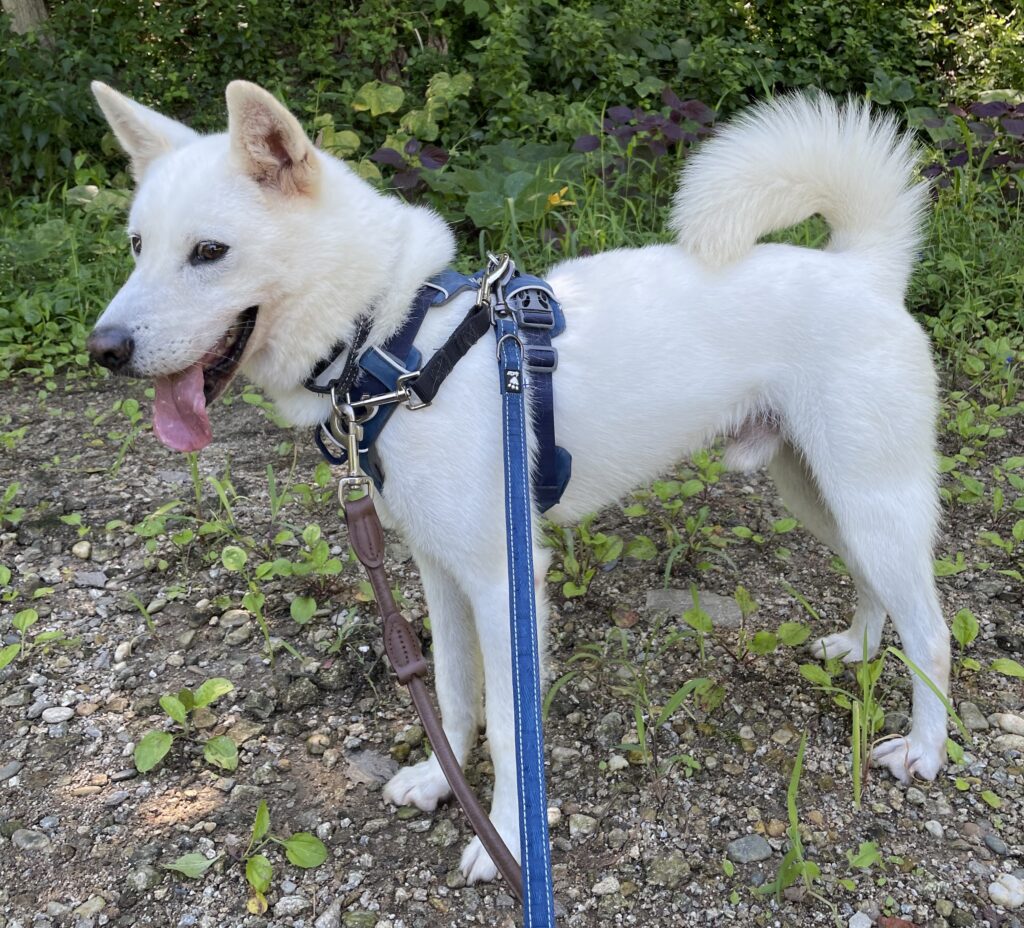
- Choose a Designated Area: Select a quiet, safe space in your home where the new pet can acclimate. This space should be separate from the hustle and bustle of daily activity. A secluded corner or room is ideal, providing a sanctuary where your pet can feel secure as they adjust to their new surroundings.
- Remove Hazards: Ensure that toxic plants and small, swallowable objects are out of reach. Common household items can pose dangers – certain plants, cleaning supplies, and small decorative objects can be hazardous to inquisitive noses and mouths. Baby-proofing methods, such as cabinet locks and cord organizers, can be beneficial in creating a safe environment.
- Stock Up on Supplies: Purchase food, toys, a bed, and necessary grooming tools. Investing in quality supplies tailored to the specific needs of your potential pet, such as breed-specific food or hypoallergenic grooming products, can prevent health issues down the road and contribute to your pet’s well-being.
Taking the time to prepare your home will make it easier for the pet to transition into their new environment. This step also demonstrates your commitment and care toward making their new home welcoming. Consider researching more on environmental enrichment to ensure a stimulating and engaging atmosphere for your new friend.
4. Researching Local Shelters and Pet Types
Equipped with a prepared home, the next step involves finding the right shelter and understanding the different types of pets available for adoption.
- Check Online Listings: Many shelters have online databases showcasing adoptable animals, complete with pictures and descriptions. Websites often provide details about each pet’s age, breed, medical history, and personality traits, allowing you to shortlist pets that might be a good fit.
- Visit Multiple Shelters: Different shelters may have varying pets and conditions for adoption. Some specialize in rescuing specific breeds, while others save a wide variety of animals. Visiting multiple locations can widen your options and might reveal a hidden gem in an unexpected place.
- Consider Your Lifestyle: Think about which kind of animal fits best into your life, whether it’s a dog, cat, or another species. Consider factors such as your work schedule, living space, activity level, and family dynamics. Each factor plays a role in determining the kind of pet that would thrive in your home environment.
This thorough research helps prevent impulsive decisions, ensuring that you find a pet whose personality aligns with yours and your lifestyle. Furthermore, understanding the specific needs of different species or breeds can arm you with the knowledge needed to provide better care.
3. The Shelter Visit and Meeting Pets
Your shelter visit is a crucial moment in the adoption process where you connect with potential furry companions. It’s essential to approach this step with an open mind and heart.
- Ask Questions: Speak with shelter staff about the animal’s background, behavior, and any special needs. Their insights from daily interactions with these animals are invaluable and can help you understand any prior trauma or behavioral quirks a pet might have.
- Take Your Time: Spend ample time getting acquainted with various pets—don’t rush the process. Animals, like humans, need time to show their personalities. Observing them in different situations, such as playtime or feeding, can provide a clearer picture of the pet’s nature.
- Consider a Meet-and-Greet: If you already have a pet, consider bringing them along for an introduction to ensure compatibility. Interactions between current pets and potential newcomers can highlight whether they are likely to get along or require further training and adjustment strategies.
This visit not only helps you bond with potential pets but also provides insights into their temperaments and behavior, crucial for making an informed decision. Don’t hesitate to return multiple times to see how a pet behaves across different days and situations.
2. Completing the Adoption Application
Once you’ve found a potential match, the next step is to complete the adoption application. This formal part of the process ensures that the pet is going to a responsible home.
- Provide Accurate Information: Be honest about your living situation, lifestyle, and experience with pets. Transparency is vital. This information helps shelters match you with a pet that fits well in your current situation and fulfills your expectations.
- Expect an Interview: Many shelters conduct interviews to assess the suitability of the applicant. Questions during this interview could range from your daily routine to how you plan to integrate the pet into your family, ensuring that the adoption is sustainable long-term.
- Prepare for Home Checks: Some organizations may require a home visit before finalizing the adoption. This step is to verify that your home environment is safe and suitable for the pet. Don’t view this as an intrusion; it’s another layer of assurance that every possible measure is taken for the animal’s welfare.
This step may seem daunting, but it is essential for the welfare of the animal. It helps assure the shelter that you are capable of providing a loving home for your new companion. Collaborating with the shelter during this phase can also establish a reliable support system post-adoption should you have questions or encounter challenges.
1. Bringing Your New Pet Home
Finally, the most exciting part of the process is bringing your new pet home! This step requires thoughtfulness, patience, and sensitivity.
- Introduce Gradually: Allow your new pet to explore their new home at their own pace. Each animal will have a unique adjustment period. Some may want to explore and socialize immediately, while others may prefer to take things slow.
- Establish a Routine: Create feeding and exercise schedules to help your pet feel secure. Consistent routines are comforting and can aid in quicker acclimatization by mirroring their schedules in the shelter.
- Be Patient: Understand that your new pet may take time to adjust; give them the love and space they need. Be prepared for some initial behavioral challenges as your pet gets comfortable. Patience and consistent positive reinforcement can guide them toward the behaviors that fit your family best.
This stage is where the real journey begins. Creating a nurturing and understanding environment will help your new furry friend flourish in their new home, solidifying the bond you’ve started. Remember to keep communication lines open with the shelter and use their knowledge whenever needed. It’s a beautiful beginning that, with care and commitment, will lead to years of joy and companionship.
| Category | Details |
|---|---|
| Fostering Benefits | Fostering pets offers a temporary home for animals in shelters, helping them adjust to home life and increasing their adoptability. |
| Community Support | Adopting from a shelter supports local initiatives, ensuring that resources are allocated towards animal welfare and reducing the number of strays. |
| Health Benefits | Having a pet has been shown to reduce stress and enhance emotional well-being, contributing to a healthier lifestyle. |
| Overpopulation Solutions | Shelters provide a solution to pet overpopulation by promoting spaying and neutering, which helps control populations and reduces euthanasia rates. |
The process of pet adoption provides significant benefits not just to the animals involved but also to the adopters and the community at large. First and foremost, fostering pets before adoption creates a crucial transition phase that allows animals to become accustomed to living in a home environment. This adaptation can make a notable difference; pets that have experienced love and care in a foster home tend to be more sociable and ready to mingle with their new families.Moreover, when you adopt from a shelter, you are contributing to a larger cause that prioritizes animal welfare. Each adoption helps decrease the demand for breeding facilities and supports local shelters in terms of funding and resources. The funds generated through adoptions often go towards caring for other animals, thereby enhancing the capacity for the shelter to house and rehabilitate more animals in need.On another note, owning a pet brings numerous health benefits. Research indicates that interacting with animals can significantly lower blood pressure, reduce anxiety levels, and improve overall mental health. For families, having a pet can also foster companionship, teaching responsibility and empathy, especially in children.Lastly, the topic of overpopulation among pets remains critical. Shelters are at the frontline of addressing this issue through adoption initiatives and spaying/neutering campaigns. Without these efforts, many pets could face dire consequences. Responsible adoption processes ensure that the cycle of overpopulation is addressed, creating a heartfelt connection between pets and their owners while building a compassionate community.
Frequently Asked Questions: From Shelter to Home – The Pet Adoption Process
What are the initial steps to start the pet adoption process?
The first step in the pet adoption process is to research and identify a suitable shelter or rescue organization. It’s important to visit these places to understand their environment and the procedures they follow. Next, potential adopters usually fill out an adoption application that includes details about their living situation, experience with pets, and lifestyle. This helps shelters match you with a pet that fits your profile.
How long does it typically take to adopt a pet from a shelter?
The timeline for adopting a pet can vary significantly depending on several factors, such as the specific requirements of the shelter, your readiness to adopt, and the availability of suitable pets. On average, the process can take anywhere from a few days to several weeks. Some shelters might require a home visit or an interview before approving the adoption, which can also affect the timeline.
Are there any costs involved in adopting a pet from a shelter?
Yes, adopting a pet typically involves certain costs. Most shelters charge an adoption fee that usually covers expenses like vaccinations, spaying or neutering, microchipping, and basic veterinary care. These fees can vary widely but are generally considered an investment in the pet’s health and well-being. It’s worth noting that adopting from a shelter is often much less expensive than purchasing a pet from a breeder or pet store.
What should I consider before deciding to adopt a pet?
It’s crucial to evaluate your lifestyle and household dynamics before adopting a pet. Consider factors like the amount of time you can dedicate to a pet, your activity level, and your budget for pet care. Additionally, think about any allergies within the household and the compatibility of the pet with children or other animals. Adoption is a long-term commitment, so it’s important to ensure you’re fully prepared for the responsibilities involved.
Can I return a pet if the adoption doesn’t work out?
Most shelters have a policy that allows you to return the pet if the adoption isn’t successful. It’s important to discuss this possibility during the adoption process. Shelters typically want to ensure the pet is in a suitable home and are understanding if issues arise. However, it is essential to make every effort to resolve any problems with the help of behavior specialists or trainers before making the decision to return the pet.
Conclusion: Bringing Love to a New Home
The journey of adopting a pet from a shelter to becoming a cherished family member is a transformative and enriching process. It requires dedication, patience, and a commitment to understanding the needs of the animal. Through the steps detailed in our guide—researching and choosing the right pet, understanding shelter procedures, preparing your home, integrating the pet into your family, and providing continuous care—we gain a clearer picture of what makes this journey so fulfilling.
Researching the right pet ensures that both the animal and the owner are well-matched in terms of lifestyle and needs, highlighting the importance of a thoughtful beginning. The often intricate shelter procedures not only act as a safeguard but also facilitate responsible pet ownership. Preparing a welcoming environment is crucial in making the transition smooth for both the pet and the family, creating a nurturing atmosphere.
As your new companion settles in, the integration process becomes pivotal. Time, love, and patience help the pet acclimate to its new environment, fostering trust and companionship. Finally, ongoing care and responsibility play a pivotal role in ensuring a healthy and happy life for your pet.
In summary, the adoption of a pet doesn’t just change the life of an animal in need, but enriches the adopter’s life with love, joy, and companionship. It is more than just a transaction; it is a life-changing decision for both the animal and the owner. By embracing the steps involved, individuals are not only saving a life but gaining a loyal and loving friend, making the commitment worthwhile and deeply rewarding.
Related posts:
How Animal Adoption Can Contribute to the Mental Health of Owners
The Importance of Socialization and Training in the Animal Adoption Process
The Role of the Support Network in Animal Adoption: How Friends and Family Can Help
Emotional Readiness Key to Pet Adoption Success
The Impact of Animal Adoption in the Community: Social and Environmental Benefits
Demystifying the Adoption Process: What to Expect When Adopting a Pet

Linda Carter
Linda Carter is a writer and pet care expert specializing in pet health, grooming, and wellness. With extensive experience helping pet owners create safe, loving, and enriching environments for their animals, Linda shares her knowledge on our platform. Her goal is to empower readers with practical advice and strategies to ensure their pets thrive and lead joyful, healthy lives.