Menu

The Role of Veterinarians in Education on Pet Health Care

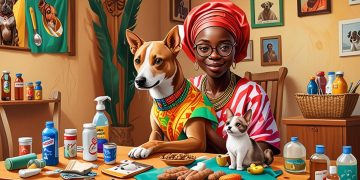
Veterinarians are essential educators in pet health care, enhancing awareness among pet owners in Nigeria. They provide vital guidance on nutrition, preventative care, and behavioral issues while fostering responsible ownership through community outreach and digital engagement. Their efforts lead to healthier pets and stronger human-animal bonds.

The Role of Social Media in Raising Awareness about Animal Health in Nigeria

Social media is transforming how animal health awareness is raised in Nigeria, empowering farmers and pet owners through real-time information, educational resources, and community engagement. By fostering collaboration and promoting success stories, these platforms enhance understanding and improve animal welfare, directly impacting livestock health and public engagement.

Mass Vaccination Programs: Challenges and Opportunities for Animal Health in Nigeria

Mass vaccination programs in Nigeria face significant challenges, including access to rural areas, resource shortages, and community skepticism. However, opportunities such as technological advancements, community engagement, and public-private partnerships can enhance these initiatives, improving animal health and supporting agricultural sustainability across the nation.

The Relationship between Pet Owners’ Mental Health and Veterinary Care for Pets

The bond between pets and their owners plays a crucial role in enhancing mental well-being. Regular veterinary care not only keeps pets healthy but also alleviates owner anxiety, fosters social connections, and promotes emotional resilience. This relationship emphasizes the importance of proactive pet care for improved mental health outcomes.

The Role of Community Education in Improving Animal Health Services in Nigeria

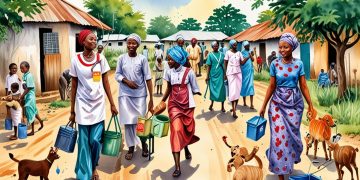
Community education is crucial for enhancing animal health services in Nigeria, empowering farmers with essential knowledge and skills. By fostering awareness of animal health practices, promoting preventive measures, and improving access to veterinary care, these initiatives contribute to economic stability, food security, and stronger community resilience in the face of health challenges.

The Influence of Local Culture on Pet Healthcare in Nigeria

The article explores how local culture in Nigeria shapes pet healthcare, highlighting traditional remedies, religious beliefs, and community practices. It emphasizes the balance between modern veterinary approaches and cultural values, advocating for culturally sensitive methods that enhance overall pet well-being and foster responsible ownership across urban and rural settings.

Challenges and Solutions for Access to Animal Health Services in Rural Communities in Nigeria

Rural communities in Nigeria face significant challenges accessing animal health services, including geographic isolation, inadequate funding, and a shortage of professionals. Innovative solutions like mobile clinics, community-based programs, and subsidies can enhance accessibility, improve livestock health, and empower farmers, ultimately fostering food security and economic stability.

The Impact of Nutrition on the Health of Pets in Nigeria

Proper nutrition is essential for pets' health in Nigeria, influencing their growth, immune function, and weight management. Many pet owners misunderstand dietary needs, leading to malnutrition and health issues. Increasing awareness and education on balanced diets can significantly enhance pets' well-being, ensuring longer, healthier lives.


The Importance of Dental Health in Pets and Its Impact on Overall Health

Dental health in pets is vital for their overall well-being, as poor oral hygiene can lead to serious health issues like heart disease and chronic pain. Regular dental care, including professional cleanings and proper nutrition, is essential for preventing disease and ensuring a happy, healthy life for pets.

The Integration of Traditional and Veterinary Medicine Practices in Animal Health in Nigeria

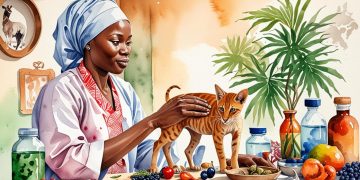
The integration of traditional and veterinary medicine practices in Nigeria enhances animal health management by combining cultural relevance with scientific methods. This collaborative approach offers diverse treatment options, cost-effectiveness, and improved animal welfare, fostering resilience in agriculture while respecting local customs and promoting livestock productivity.