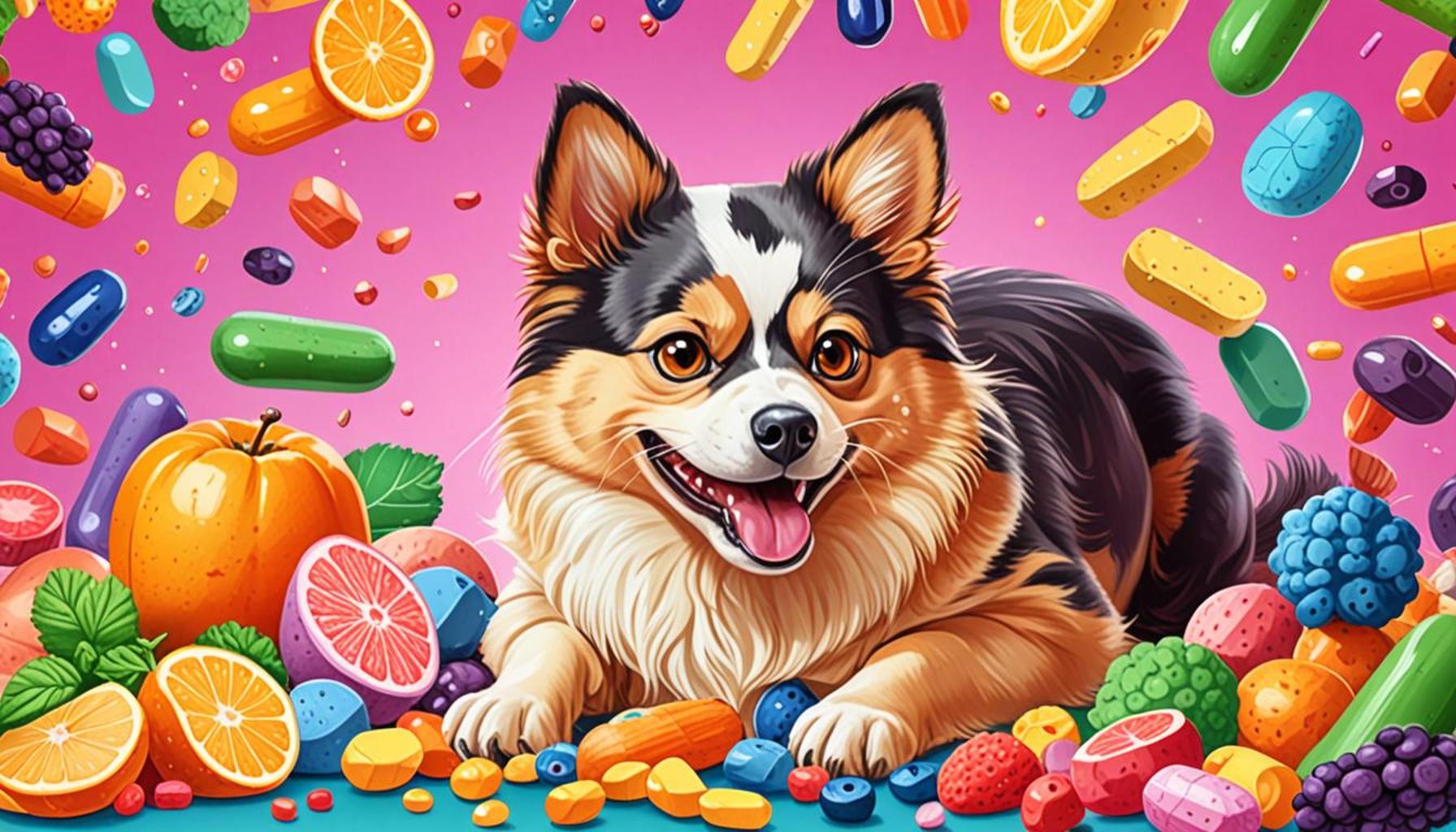
Nutritional Supplementation: When and How to Help Your Pet

Understanding Nutritional Supplementation for Your Pet
Every pet owner wants the best for their furry companions. However, the challenge often lies in understanding how to address their nutritional needs effectively. Nutritional supplementation can enhance your pet’s health, but knowing when and how to implement it requires careful consideration.
Why Consider Nutritional Supplements?
As pets age or undergo specific health challenges, their dietary requirements may change. It’s important to recognize the signs that indicate possible deficiencies or imbalances. For instance, just like humans, pets can experience changes in their metabolism as they grow older. Senior pets may encounter issues such as joint pain or decreased energy levels, prompting the need for extra vitamins or joint support supplements to improve their quality of life.
Another common scenario involves health conditions. Pets suffering from arthritis may benefit from supplements containing glucosamine and chondroitin, which are known to support joint health and alleviate discomfort. Similarly, pets with allergic reactions may find relief with specific supplements that help to bolster their immune system, such as omega-3 fatty acids from fish oil. These not only reduce inflammation but can also promote healthy skin and coats.
Moreover, those who opt for holistic or homemade diets should be particularly cautious of potential dietary deficiencies. While these diets can be healthy, they may miss essential nutrients that conventional pet foods typically include. For example, a homemade dog diet concocted without professional guidance might lack vital amino acids that promote muscle health, which are crucial for active breeds.
What Types of Supplements Are Available?
The pet supplement market is expanding, offering a variety of options. Here are some types you might encounter:
- Vitamins and minerals: These are necessary for various bodily functions and can circumvent deficiencies. For instance, Vitamin E can act as an antioxidant, aiding in cellular repair.
- Fatty acids: These essential fats can significantly help with skin conditions, reduce itching, and promote a shiny coat. Omega-3 and omega-6 fatty acids sourced from fish oil and flaxseed are particularly popular.
- Probiotics: These beneficial bacteria are key for digestive health. They can assist in regulating gut flora, improve nutrient absorption, and strengthen the immune system, which is especially important after treatments with antibiotics.
Diving deeper into nutritional supplementation can unlock new ways to enhance your pet’s quality of life. With the wide array of products available, including locally sourced options in Nigeria, such as palm oil–rich fatty acid supplements, understanding these elements is critical. Educating yourself will enable you to make informed decisions that could greatly benefit your beloved pet’s well-being and happiness.
As always, it’s wise to consult with a veterinarian before beginning any supplementation regimen, ensuring it is appropriate and safe for your pet’s individual needs. This prudent step can help maximize the benefits and foster a long-lasting, healthy companionship with your furry family member.
YOU MAY ALSO LIKE: Read read another article
Recognizing the Need for Nutritional Supplements
Understanding when to introduce nutritional supplements can greatly impact your pet’s vitality and overall health. The first step is recognizing the signs that suggest a need for additional nutritional support. For instance, have you noticed your pet exhibiting unusual behaviors? This could include decreased appetite, lethargy, or even excessive shedding. Such symptoms often point to underlying deficiencies that supplementation could address.
Another vital aspect is your pet’s lifestyle and activity levels. Highly active pets, such as working dogs or agility competitors, may require enhanced nutrient intake to sustain their energy output and muscle health. Supplements like protein powders or muscle builders can provide the additional support they need. On the other hand, pets that lead a more sedentary lifestyle might thrive on balanced commercial diets without the need for extra supplements.
Understanding Life Stages and Health Conditions
Life stages also play a significant role in determining supplementation needs. For example, puppies have growing dietary requirements that differ vastly from those of adult dogs. Young animals require a specific balance of nutrients for proper growth and development, making puppy-specific formulas essential. On the flip side, senior pets often face issues related to aging, such as arthritis, cognitive decline, and diminished immunity. In these cases, supplements focused on joint support or brain health may be beneficial.
Moreover, certain health conditions require tailored supplementation. For pets diagnosed with diabetes, supplements rich in fiber may assist in regulating blood sugar levels. Meanwhile, pets with chronic inflammatory conditions may gain significant relief from anti-inflammatory supplements like turmeric or CBD oil, both gaining popularity in the market. It is essential to take note of your pet’s specific health profile and consult a veterinarian to ensure that any supplementation aligns with their medical needs.
Identifying Quality Products
With an expanding variety of supplements flooding the market, discerning quality is crucial. Pet owners should look for products that undergo independent testing to ensure safety and efficacy. Reading labels for transparency regarding ingredients is also important. Not all supplements are created equal, and some may contain fillers or artificial additives that do little to bolster your pet’s health.
Furthermore, it’s valuable to consider local options available within Nigeria. Products made from natural ingredients, such as locally sourced palm oil, which is rich in essential fatty acids, highlight the importance of dietary choices that resonate with cultural practices and natural resources. Supplements tailored specifically for pets in your region often carry advantages such as lower transportation emissions and increased freshness.
In sum, by being attentive to your pet’s unique requirements and taking a knowledgeable approach to nutritional supplementation, you can make informed decisions that improve their quality of life. As you navigate this journey, remember to lean on veterinary expertise, ensuring you provide your companion with the most beneficial support possible.
| Category | Key Features |
|---|---|
| Essential Vitamins | Support immune function and enhance overall pet health. |
| Omega Fatty Acids | Promote a healthy coat and skin, reducing allergies and inflammation. |
| Mineral Supplements | Assist in bone development and maintaining dental health. |
| Probiotics | Aid in digestive health and nutrient absorption. |
| Joint Supplements | Help with mobility and support aging pets. |
Nutritional supplementation for pets plays a vital role in ensuring they lead a healthy and vibrant life. Understanding when and how to implement these supplements is key to maximizing their benefits. For instance, introducing essential vitamins can significantly boost your pet’s immune system, which is especially crucial during seasonal changes or times of stress. Another important aspect is omega fatty acids, which not only improve a pet’s coat but can also reduce skin allergies and inflammation. Mineral supplements support fundamental bodily functions, such as bone health and dental care, while probiotics promote digestive health, ensuring your pet absorbs essential nutrients effectively.Finally, joint supplements are particularly important for aging pets, as they help maintain mobility and overall quality of life. Whether you’re navigating the nutritional landscape for a growing puppy or an older dog, knowing when and how to supplement your pet’s diet can lead to better health outcomes.
RECOMMENDED: Check out this similar article
The Role of Veterinary Guidance
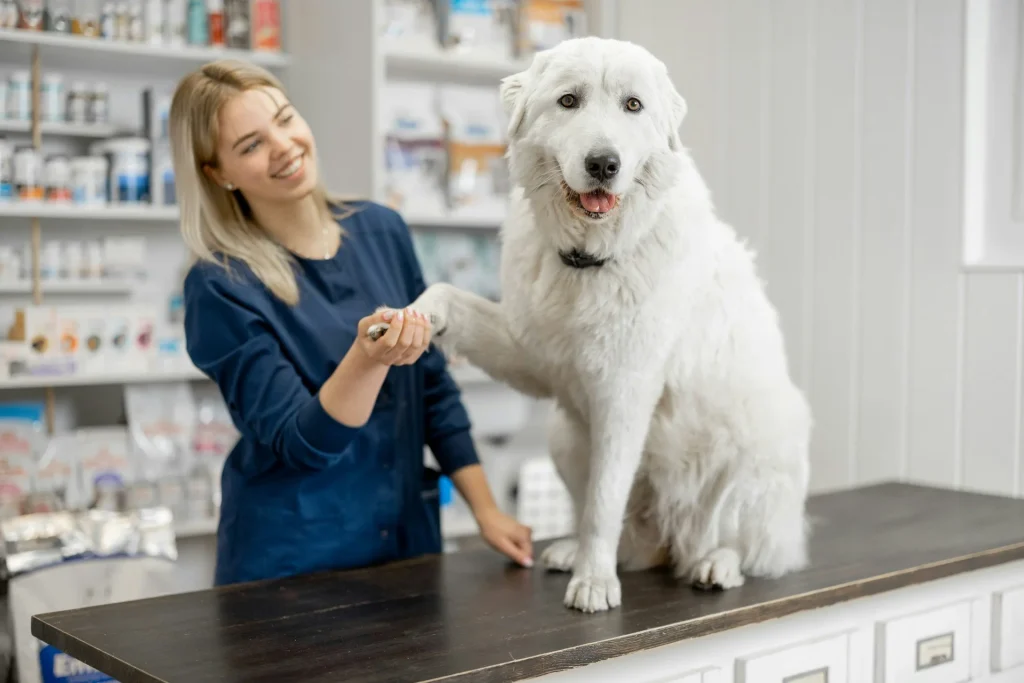
The journey into nutritional supplementation for your pet is one that should be anchored in professional veterinary guidance. While the market is ripe with products that promise miraculous results, the reality is that not all pets require supplementation, and the type of supplements needed can vary widely. A qualified veterinarian can help determine whether your pet would benefit from supplements and what specific nutrients they may be deficient in.
During your regular veterinary visits, be sure to discuss your pet’s diet, lifestyle, and any observed health issues. Your vet may recommend blood tests to identify nutritional gaps or health problems. These tests can offer essential insights into your pet’s specific nutrient needs, guiding you toward appropriate supplements. For instance, omega-3 fatty acids might be suggested for pets with inflammatory skin conditions, while probiotics could be recommended for those experiencing digestive difficulties.
Incorporating Supplements into Your Pet’s Diet
Once you have established a supplementation plan with your veterinarian, the next step is seamlessly integrating it into your pet’s daily diet. It’s essential to introduce new supplements gradually to avoid gastrointestinal upsets. Owners often find that mixing powdered supplements into moist food makes for a more palatable option, especially for picky eaters. Techniques like hiding tablets in a small piece of meat or using flavored chewable forms can also enhance compliance.
- Consistency is key: Ensure regularity in offering supplements, as benefits typically accumulate over time.
- Monitor changes: Keep a close eye on your pet’s behavior and health after introducing supplements. Document any positive or negative changes, as this feedback will be valuable for follow-up discussions with your veterinarian.
Cultural Considerations and Local Resources
In Nigeria, culturally influenced dietary practices can greatly impact the nutritional needs of pets. The integration of local food sources into pet diets—such as fish, chicken, or vegetables—can be paired effectively with targeted supplements to maximize their health benefits. For example, adding groundnut oil into a pet’s diet can provide additional energy and essential fatty acids, while local herbal remedies may complement traditional supplementation strategies. However, always verify with a veterinary professional that these practices are suitable and beneficial for your pet.
Moreover, local manufacturers may offer natural supplements tailored to the needs of Nigerian pets. These products often leverage indigenous ingredients known for their restorative properties, which can serve your pet without the risk of imported synthetic additives. Engaging with local veterinary pharmacies can also provide tailored advice about the best supplements available in your area.
Educational seminars and community pet care events in urban areas can be great resources not only for learning about supplementation but also for connecting with other pet owners and professionals. Gathering knowledge from these platforms can empower you to make informed choices about your pet’s nutritional needs.
In essence, the path to nutritional supplementation is nuanced and should not be tread lightly. A collaborative approach involving your veterinarian, keen observation of your pet’s response, and leveraging local resources can make all the difference in enhancing your beloved companion’s health and happiness.
LEARN MORE: This related article may interest you
Conclusion
In conclusion, nutritional supplementation for pets offers a valuable opportunity to enhance their health and well-being. However, navigating the myriad of available options can be daunting for pet owners. By prioritizing a careful and informed approach, starting with professional veterinary guidance, you can tailor a supplementation plan that addresses your pet’s unique nutritional needs.
Recognizing the signs that your pet may benefit from supplements is essential. These could range from dull fur and low energy levels to more specific health issues identified during veterinary consultations. Educating yourself further about nutritional deficiencies can empower you to make more informed decisions regarding your pet’s health.
Moreover, leveraging local resources, such as culturally relevant dietary practices and region-specific supplements, can help you optimize your pet’s nutrition. Engaging in community events or seminars will also broaden your understanding of pet care and strengthen the bond with fellow pet owners and professionals. Remember, the goal is not just about adding supplements but ensuring that your furry friend thrives on a balanced and wholesome diet.
Ultimately, with diligence, consistency, and a strong partnership with your veterinarian, you can set your pet on a path to vibrant health and vitality. Prioritize your pet’s nutrition; your furry companion will thank you with wagging tails and joyful purrs.
Related posts:
Natural Food vs. Commercial Feed: Which is the Best Option for Your Pet?
Nutritional Supplements: When and How to Use Them in Your Pet's Diet
The Importance of a Balanced Diet for the Health of Dogs and Cats
How Nutrition Affects the Longevity of Pets
The Importance of Hydration in Pet Nutrition
Trends in Pet Food: What's Popular in 2023

Linda Carter
Linda Carter is a writer and pet care expert specializing in pet health, grooming, and wellness. With extensive experience helping pet owners create safe, loving, and enriching environments for their animals, Linda shares her knowledge on our platform. Her goal is to empower readers with practical advice and strategies to ensure their pets thrive and lead joyful, healthy lives.