Benefits of Animal-Assisted Therapy in Nigerian Communities

Exploring the Potential of Animal-Assisted Therapy in Nigeria
As communities across Nigeria grapple with the complexities of mental health, the role of animal-assisted therapy (AAT) is gaining traction as an innovative solution. This form of therapy not only promotes emotional healing but also integrates well with the cultural practices and traditional values inherent to Nigerian society. By utilizing trained animals as therapeutic tools, AAT opens new pathways to mental wellness that are both engaging and effective.
The therapeutic relationship between humans and animals serves as a powerful catalyst for change. One of the most significant benefits of AAT is its ability to provide emotional support. Animals often have an innate capacity to sense human emotions, and their companionship can play a vital role in alleviating feelings of loneliness and depression. For instance, a community center in Lagos introduced therapy dogs in its program for elderly residents. The response was overwhelmingly positive, with many seniors reporting enhanced moods and decreased feelings of isolation.
Additionally, stress relief achieved through AAT is supported by scientific evidence. Research indicates that interactions with therapy animals can lead to a reduction in cortisol levels, which is often referred to as the body’s primary stress hormone. This has been particularly beneficial in Nigeria, where urban areas face high-stress levels due to economic pressures and societal changes. Initiatives like therapy workshops featuring cats and dogs in urban schools have demonstrated noticeable improvements in students’ stress management. By focusing on these interactions, students are not only able to unwind but also learn coping mechanisms that can be applied in their daily lives.
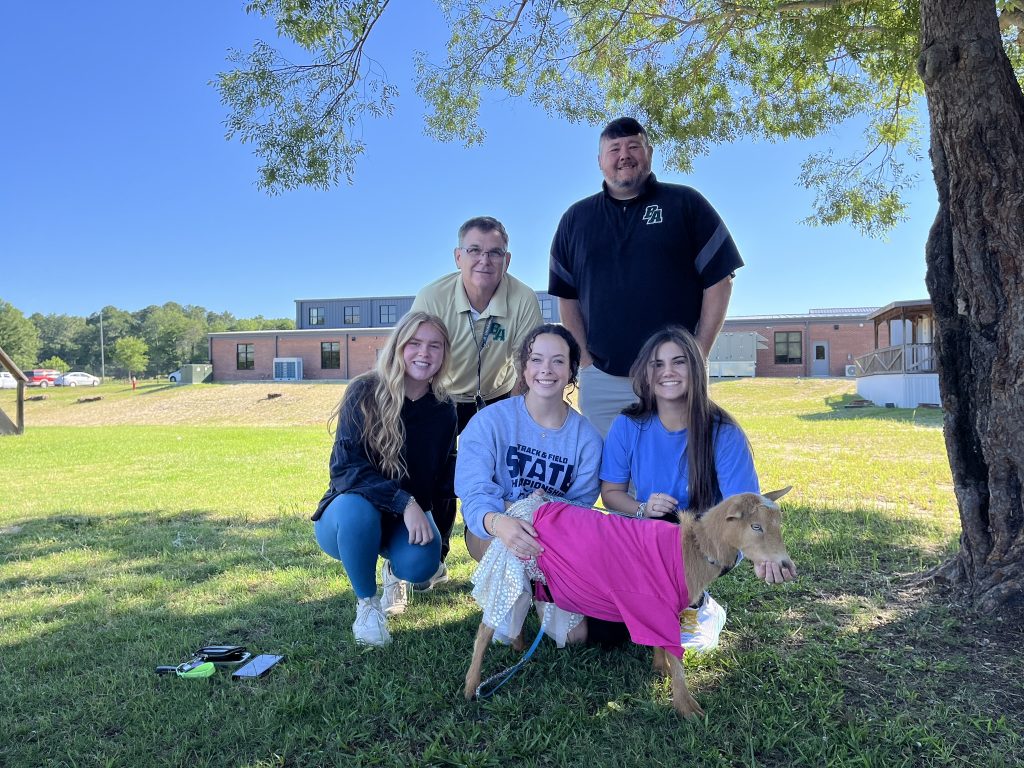
AAT is also instrumental in developing improved social skills, particularly among children. Engaging with animals can create a unique platform for communication and socialization, which is critical in the formative years. For example, schools in rural areas, where educational resources are limited, have found success in using therapy goats to encourage teamwork and collaborative play. Children involved in these programs exhibited enhanced interaction patterns and developed greater empathy.
Beyond individual benefits, the integration of AAT addresses broader community challenges. From aiding trauma recovery to enhancing lives of individuals with disabilities, the potential applications are diverse. Local initiatives are now starting to incorporate indigenous animals, such as goats and parrots, into their therapy practices. Not only does this foster a sense of cultural connection, but it also uses familiar species to maximize therapeutic outcomes.
Nigeria’s rich biodiversity and vibrant young population present a unique opportunity for the growth of AAT. As awareness expands, stakeholders are encouraged to explore how AAT can be individualized for various community needs. Through workshops, training programs, and collaborations with mental health professionals, the concept of AAT is becoming increasingly embedded within the fabric of Nigerian healthcare. The future of mental and emotional well-being in Nigeria may very well involve the heartwarming companionship of our four-legged friends.
SEE ALSO: Click here to read another article
Embracing Emotional Healing Through Animal Companionship
The heart of animal-assisted therapy (AAT) lies in its capacity to provide profound emotional support, particularly critical in a society like Nigeria where mental health issues are often stigmatized. Animals, with their unconditioned affection, offer a sense of safety and comfort that individuals may struggle to find in human interactions. For example, therapy dogs have been utilized in various settings, one notable instance being their introduction in trauma recovery programs for victims of communal violence. These programs facilitated not only healing but also reintegration into society.
The therapeutic interaction with animals fosters a non-judgmental space that encourages individuals to express their feelings openly. This is particularly important in communities where traditional beliefs may struggle to accommodate modern mental health practices. Several organizations are pioneering efforts to incorporate AAT into local practices, proving crucial in addressing issues such as post-traumatic stress disorder and anxiety. By providing emotional support through animals, these initiatives help break down barriers to seeking help and understanding.
Stress Reduction and Mental Well-being
One of the most immediate benefits of AAT is its evident impact on stress relief. In urban Nigerian environments, where the hustle for survival can lead to overwhelming stress, animals help provide much-needed respite. Cathartic moments spent with therapy animals can lead to tangible reductions in anxiety levels. Studies have shown that, following sessions with therapy animals, individuals displayed reduced cortisol levels—a physiological marker of stress. These benefits have prompted schools and community centers to integrate therapy sessions featuring animals like rabbits and parrots into their wellness programs. The results speak for themselves, with many participants reporting greater emotional stability and improved mood.
Building Social Skills and Empathy
AAT is reshaping the social landscape among children, making it an essential tool for fostering social skills and empathy. Engaging with animals allows children to develop a unique bond that nurtures communication skills and affection. Institutions across Nigeria, particularly those in rural regions, are leveraging the natural charm of local animals in their educational programs. For instance, therapy goats are being used to encourage collaborative play and teamwork among students, leading to observable improvements in social interactions and behavior in classrooms. Through these interactions, children learn essential values like compassion and patience, which are pivotal in a communal culture.
- Enhanced emotional support: Animals provide companionship that alleviates feelings of loneliness.
- Stress relief: Regular interaction with therapy animals reduces anxiety and promotes mental clarity.
- Improvement in social skills: Children develop better communication and empathetic behaviors through animal engagement.
As AAT continues to demonstrate its versatility and efficacy, Nigerian communities are poised to embrace this model as a viable complement to conventional therapeutic practices. The future of healing may embody not just human interactions but a harmonious blend with our faithful companions, guiding the way towards a mentally healthier society.
Benefits of Animal-Assisted Therapy in Nigerian Communities
Animal-assisted therapy (AAT) has emerged as a significant boon for mental health and wellbeing in Nigerian communities. This therapeutic approach not only enhances emotional and psychological recovery but also promotes social interaction and reduces loneliness among participants. As awareness spreads, many local healthcare providers are beginning to integrate animal companionship into their therapeutic practices.
| Advantage | Key Features |
|---|---|
| Improved Mental Health | Animal companionship can significantly alleviate symptoms of anxiety and depression among individuals, leading to better emotional stability. |
| Enhanced Social Interaction | Therapy involving animals fosters stronger bonds between individuals, facilitating communication and community connection. |
Moreover, the presence of animals during therapy sessions can create a more welcoming atmosphere, making it easier for participants to express themselves. This unique form of therapy is particularly beneficial in tackling stigma surrounding mental health issues in Nigerian societies, encouraging more individuals to seek help.
Communities that have embraced AAT are witnessing transformations not only in individual lives but also in community dynamics as a whole. The positive ripple effects of this therapy model illustrate a promising path for addressing mental health challenges in Nigeria. The integration of animals into therapeutic settings is proving to be a game-changer, fostering resilience and emotional healing in ways that traditional therapy alone may not achieve.
SEE ALSO: Click here to read another article
Boosting Physical Rehabilitation Through Animal Interaction
Animal-assisted therapy (AAT) is not only beneficial for mental and emotional well-being but also significantly contributes to physical rehabilitation efforts. In Nigeria, where the availability of rehabilitation services may be limited, AAT provides a creative avenue for enhancing physical therapy programs. Through engaging with animals, individuals recovering from injuries or coping with disabilities are encouraged to participate in various physical activities. This can include tasks such as walking or playing with therapy dogs, which vastly improve both mobility and coordination over time.
Several local rehabilitation centers have begun integrating AAT into their programs, utilizing the health benefits of interacting with animals to engage patients uniquely. For example, individuals recovering from stroke or orthopedic surgeries have reported improvements in muscle strength and mobility through structured therapy sessions with carefully trained animals. The motivation to move and interact with a living companion can serve as a crucial psychological boost for patients, leading to more significant participation in their recovery journey.
Creating Community Bonds and Support Networks
The ripple effect of AAT extends beyond the individual to foster enhanced community bonds and support networks. In Nigerian society, where communal living is central to cultural identity, social activities that involve animals have been shown to strengthen relationships among community members. Activities such as organizing community therapy sessions featuring animals create a sense of togetherness, allowing participants to share their experiences and emotions, diminishing the stigma surrounding mental health.
Moreover, initiatives like therapy animal visits to local schools, orphanages, and nursing homes bridge generational gaps and foster inter-community dialogue. For instance, young people volunteering with therapy animals often find a sense of purpose and connection, developing crucial life skills while positively impacting vulnerable populations. This communal engagement leads to the formation of support systems that nurture personal growth and collective healing.
- Improved physical health: AAT has shown to aid in recovery processes, enhancing mobility and coordination.
- Strengthening community ties: Inclusive therapy sessions promote support networks that contribute positively to societal mental health.
- Inter-generational connections: Engaging with animals bridges the gap between young and old, fostering empathy and understanding.
In addition to these benefits, the role of AAT in raising awareness about mental health within communities cannot be overstated. It acts as a catalyst for conversations surrounding mental wellness, moving communities towards a more understanding and supportive environment. As animal-assisted therapy garners more recognition, Nigerian communities are likely to witness a transformative shift in their approach to both mental health and holistic healing strategies.
LEARN MORE: This related article may interest you
Conclusion: Embracing Animal-Assisted Therapy for Holistic Healing
In recent years, animal-assisted therapy (AAT) has emerged as a transformative tool within Nigerian communities, offering significant benefits that go beyond traditional therapeutic practices. By enhancing physical rehabilitation, AAT empowers individuals to regain their strength and mobility while providing emotional support through the unconditional love of animals. This unique form of therapy not only fosters recovery but also addresses the often-overlooked mental health aspects that are crucial in a society grappling with various challenges.
Moreover, AAT plays a pivotal role in building community ties and support networks. With its ability to bridge generational gaps and create inclusive spaces for dialogue, AAT facilitates meaningful relationships among diverse populations. As communities come together to engage with therapy animals, the stigma around mental health issues gradually diminishes, paving the way for more open discussions and support initiatives.
As Nigeria continues to explore innovative holistic healing strategies, the incorporation of animal-assisted therapy is not just about improving individual lives; it symbolizes a collective stride towards enhanced societal well-being. By recognizing and promoting the profound impacts of AAT, we can create a more empathetic society where mental health is prioritized, and everyone has access to the support they need. As we forge ahead, it becomes imperative to foster awareness and investment in AAT programs, unlocking a future where human-animal bonds flourish for the betterment of all.
Related posts:
Positive Training Techniques for Dogs and Cats in Nigeria
Essential Care for the Dental Health of Dogs and Cats in Nigeria
The Benefits of Pet Adoption in Nigerian Communities
Environmental Enrichment Strategies for Pets in Nigeria
The importance of socialization for the emotional well-being of pets in urban environments
Tips for Creating a Safe and Comfortable Environment for Pets at Home

Linda Carter
Linda Carter is a writer and pet care expert specializing in pet health, grooming, and wellness. With extensive experience helping pet owners create safe, loving, and enriching environments for their animals, Linda shares her knowledge on our platform. Her goal is to empower readers with practical advice and strategies to ensure their pets thrive and lead joyful, healthy lives.