
The Relationship between Pet Owners’ Mental Health and Veterinary Care for Pets

The Profound Impact of Pets on Mental Well-Being
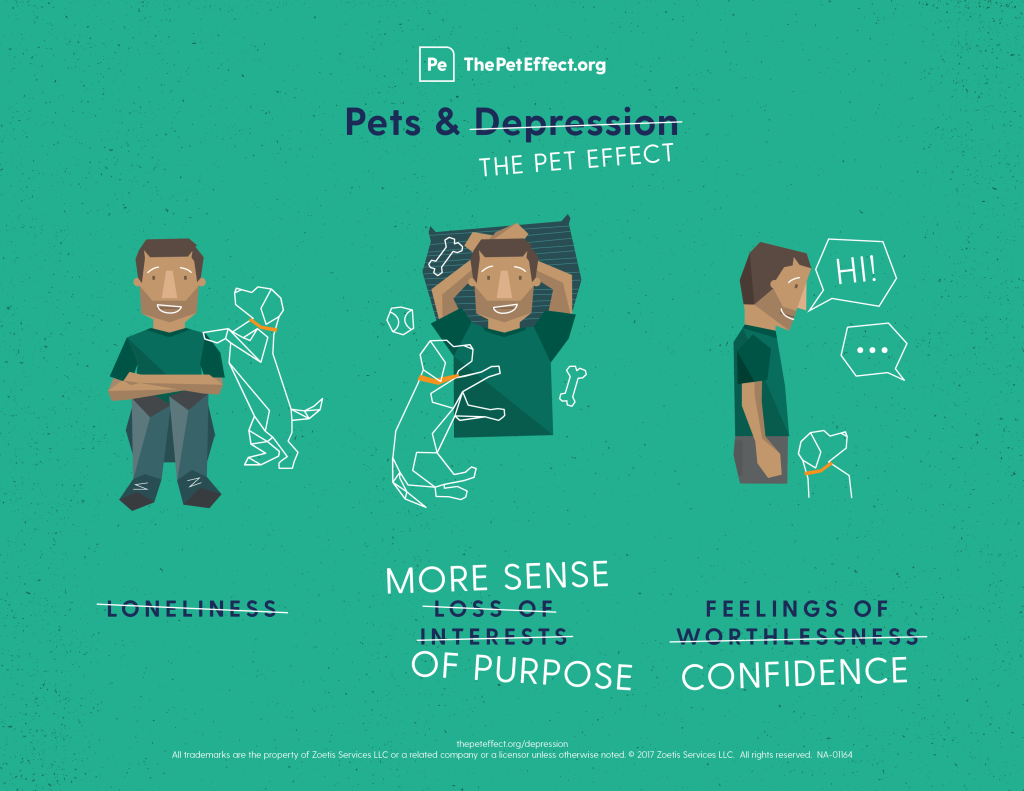
The bond between pets and their owners transcends mere companionship; it can significantly impact mental well-being. As pet ownership continues to rise in Nigeria, understanding this relationship is crucial for both health professionals and pet owners alike. This growing trend highlights the importance of animals not just as pets, but as vital contributors to mental health recovery and maintenance.
Research has substantiated the mental health benefits associated with pet ownership, revealing a range of positive effects that can enhance everyday life. For instance:
- Reduced Stress: Interactions with pets, such as playing or simply cuddling, can lead to lower cortisol levels in the body. This hormonal reduction promotes relaxation and diminishes feelings of tension, making daily challenges feel more manageable. In urban areas of Nigeria, where stressors can be numerous due to traffic or economic pressures, pets serve as a calming presence.
- Increased Happiness: Pets provide unconditional love, which can significantly elevate mood and boost emotional stability. For many Nigerians, returning home to a wagging tail or a gentle purr can be a remedy to a long, taxing day. Studies have shown that dog owners report higher levels of overall happiness compared to those without pets.
- Social Interaction: Owning a pet can often spark social connectivity. This is particularly relevant in community-oriented cultures like Nigeria, where neighborhood pet walks or gatherings at local parks facilitate new friendships and connections. Such interactions help to mitigate feelings of loneliness and isolation.
However, the role of veterinary care is equally vital in maintaining the bond between pets and their owners. Regular check-ups and vaccinations are critical not only for pets’ health but also for their owners’ peace of mind. By ensuring their animals remain healthy, pet owners can experience:
- Providing Peace of Mind: Understanding that a pet is healthy alleviates owner anxiety and contributes to their own mental well-being. For pet owners in Nigeria, this can mean lower stress levels knowing that their furry companions are receiving appropriate care.
- Preventing Future Issues: Early intervention in health problems can prevent significant emotional distress related to pets falling ill. By keeping abreast of their pet’s veterinary needs, owners can avoid panic associated with sudden health crises.
- Encouraging Responsible Ownership: Access to veterinary care fosters a sense of responsibility and care in pet owners, which can lead to increased self-esteem and purpose, aspects that are known contributors to mental wellness.
This discussion delves deeper into the intricate relationship between pet owners’ mental health and veterinary care, emphasizing the need for holistic approaches in both mental wellness and pet care. Engaging in regular veterinary services not only ensures the health of pets but also enhances the overall quality of life for owners. Join us in discovering how these elements intertwine to foster healthier lives for both pets and their humans, revealing the profound impact of this special relationship.
SEE ALSO: Click here to read another article
Exploring the Links: Pet Owner Mental Health and Veterinary Engagement
The correlation between pet ownership and mental health offers vital insights into the shared journey of pet owners and their furry companions. In Nigeria, the societal norms surrounding pet care underscore the significance of this bond, amplifying the importance of engaging in veterinary care as a key pillar of mental well-being. This relationship rests on the premise that a healthy pet contributes to a healthy owner—emotionally, psychologically, and socially.
Firstly, regular visits to the veterinarian allow owners to actively participate in their pets’ health management, reinforcing a sense of fulfillment. Knowing that their pets are up-to-date on vaccinations and receiving preventive care can lead to a profound sense of satisfaction for pet owners. The act of nurturing a pet through responsible veterinary care instills a sense of purpose, particularly for individuals who may be facing loneliness or emotional stress. In many Nigerian communities, where social structures are often family-oriented, this role of caregiver can shift focus to something both rewarding and uplifting.
Furthermore, engaging with veterinary care can fundamentally alter the owner’s psyche. The anxiety relief that comes from understanding one’s pet is healthy cannot be overstated. Pet owners often experience stress related to their pet’s welfare, notably during illness or emergencies. Routine veterinary check-ups mitigate this by providing a controlled framework for addressing health issues before they escalate. This proactive approach empowers pet owners to navigate potential crises with greater confidence, reducing overall mental strain.
Exploring further, the benefits of veterinary engagement extend into social dimensions. Many veterinary clinics and services in Nigeria leverage community-centered strategies to engage pet owners, creating opportunities for them to meet and connect with fellow pet enthusiasts. These interactions can lessen the feelings of isolation prevalent among many individuals, encouraging friendships rooted in shared interests. The growth of community pet events or wellness programs organized by local vets fosters environments where pet owners can bond and support each other’s journeys in pet care.
In addition, the education provided through veterinary services can encompass broader discussions surrounding mental health and wellness. Workshops that address responsible pet ownership, behavioral training, and health insights can equip owners with not just the knowledge to care for their pets, but also enhance their own emotional resilience. As pets respond positively to consistent training and care, their improved behavior can subsequently lead to reduced stress levels for their owners, reinforcing a cycle of health and happiness.
- Enhanced Understanding: Regular veterinary visits help pet owners learn about animal health, fostering a deeper connection with their pets.
- Shared Experiences: Community events hosted by veterinarians promote social interaction, encouraging pet owners to bond over shared interests.
- Empowerment through Knowledge: Education on pet care provides owners with tools to tackle challenges, strengthening their mental resilience.
This intricate relationship between pet owners’ mental health and veterinary care not only enhances the well-being of pets but also enriches the emotional tapestry of their owners. As we continue to delve deeper into this connection, a clearer picture emerges highlighting how mutual care can lead to improved quality of life for both pets and their human counterparts.
| Category | Details |
|---|---|
| Emotional Support | Pets provide companionship, which can lead to reduced feelings of loneliness and anxiety. |
| Physical Health Benefits | Veterinary care enhances pet health, leading to more active and engaging pets, positively affecting owners’ well-being. |
| Routine and Responsibility | Owning a pet establishes a daily routine, which can help structure the lives of individuals struggling with mental health issues. |
| Social Interaction | Veterinary visits often lead to social networks, allowing pet owners to connect and share experiences, enhancing their support systems. |
Research continues to reveal the profound impact pets have on mental health, urging a closer examination of the role veterinary care plays in maximizing these benefits. Regular check-ups not only keep pets healthy but also encourage emotional bonding, which is essential for holistic well-being. Understanding the symbiotic relationship between pets and their owners can lead to better mental health outcomes, encouraging further studies in fields like veterinary medicine and psychology. As we deepen our understanding of this relationship, the potential for improving both pet and owner health is enormous.
RECOMMENDED: Check out this similar article
The Ripple Effect: Veterinary Care as a Catalyst for Wellness
The journey of pet ownership is intertwined with numerous factors that influence mental health. Veterinary care emerges as a pivotal element, not merely as a service for pets but as a crucial support system for their owners. The act of caring for a pet often parallels self-care, presenting pet owners with opportunities to invest in their emotional and psychological well-being through responsible pet management.
A noteworthy aspect of this relationship is the engagement with veterinary professionals, who serve as crucial allies in the realm of pet health and owner wellness. In Nigeria, where the understanding of pet care may vary, veterinarians provide not only treatment but also invaluable advice on nutrition, grooming, and mental stimulation for pets. By having access to this wealth of knowledge, pet owners can develop better care routines that improve their pets’ quality of life, which in turn enhances the owner’s emotional satisfaction. Moreover, as pets thrive under attentive care, the pet owners often experience a profound sense of achievement, leading to improved emotional states.
Moreover, pet owners often experience a sense of camaraderie and emotional security through shared interactions within the community of pet lovers. This interaction can be catalyzed through initiatives like pet health fairs or open days at veterinary clinics, where owners can seek assistance, learn about new products, and meet others who share their concerns and joys. This sense of belonging can effectively combat feelings of depression and anxiety that might arise from social isolation.
Furthermore, engaging in veterinary care creates empowerment opportunities. Specialized services, such as behavioral consultations, can transform challenging situations into manageable tasks. For instance, pet owners dealing with anxiety or aggression in their pets can explore effective training techniques with their veterinarians. The journey of improving a pet’s behavior typically results in reduced stress for both the animal and the owner, leading to heightened overall well-being.
- Proactive Health Management: Engaging regularly with veterinarians allows for timely interventions, decreasing the likelihood of health-related crises that could lead to anxiety for owners.
- Community Building: Events and support groups organized around veterinary practices foster interaction among pet owners, creating a shared sense of purpose and belonging.
- Education and Training: Access to training resources not only helps pets behave better but also empowers owners with the skills to address behavioral issues effectively.
Additionally, in addressing mental health directly, some veterinary clinics in Nigeria have begun integrating resources focused on owner mental wellness into their practice. By recognizing that a pet’s health can influence the owner’s emotional state, these clinics are pioneering efforts to ensure that the mental health needs of pet owners are factored into the overall care landscape. This holistic approach can range from recommending relaxation techniques during stressful vet visits to providing contact information for mental health professionals.
In conclusion, the nexus between pet owners’ mental health and veterinary care for pets demonstrates that healthy pets are the reflection of healthy owners. By investing in their pet’s care, owners can foster their emotional resilience, thereby creating a mutually beneficial environment where both pet and owner thrive. The exploration of this relationship encourages the recognition of veterinary care not just as a necessity for pets, but as a fundamental component of holistic well-being for their human companions.
SEE ALSO: Click here to read another article
Bridging the Gap: Enhancing Well-being Through Veterinary Care
In summary, the intricate relationship between pet owners’ mental health and veterinary care for pets reveals a symbiotic dynamic that benefits both parties. Regular engagement with veterinary services does not solely enhance the physical health of pets; it fosters an environment conducive to emotional well-being for their owners. This correlation emphasizes that the investment in a pet’s health—through proper veterinary care, community support, and education—provides significant psychological rewards that can alleviate the stresses of daily life.
The observations made in the Nigerian context highlight the need for increased awareness of this relationship. As veterinary clinics begin incorporating mental wellness resources, we recognize the profound impact that proactive health management can have on an owner’s feelings of happiness and purpose. It becomes evident that by prioritizing the health of their pets, owners may simultaneously nurture their own mental resilience. This reinforces the importance of seeing veterinarians not merely as providers of pet care but as essential contributors to a holistic health approach.
As discussions around mental health continue to evolve, it is critical for pet owners to embrace this perspective, acknowledging that caring for their pets is a pathway to improved emotional well-being. The future of veterinary care in Nigeria holds exciting prospects—combining physical and mental health to cultivate thriving communities of pet lovers. Ultimately, understanding this interdependence can empower individuals to explore avenues for growth, connection, and support through the shared journey of pet ownership.
Related posts:
Mass Vaccination Programs: Challenges and Opportunities for Animal Health in Nigeria
The Role of Community Education in Improving Animal Health Services in Nigeria
The Impact of Zoonotic Diseases on Public and Animal Health in Nigeria
The Role of Veterinarians in Education on Pet Health Care
The Influence of Local Culture on Pet Healthcare in Nigeria
The Integration of Traditional and Veterinary Medicine Practices in Animal Health in Nigeria

Linda Carter
Linda Carter is a writer and pet care expert specializing in pet health, grooming, and wellness. With extensive experience helping pet owners create safe, loving, and enriching environments for their animals, Linda shares her knowledge on our platform. Her goal is to empower readers with practical advice and strategies to ensure their pets thrive and lead joyful, healthy lives.