The Role of Social Media in Raising Awareness about Animal Health in Nigeria
The Impact of Social Media on Animal Health Awareness in Nigeria
As the digital landscape continues to evolve, social media has emerged as a pivotal tool for sharing information. In Nigeria, the surge in social media usage is revolutionizing the way individuals and organizations address animal health issues. Through multiple platforms, critical information about animal welfare is not only disseminated more widely but is also becoming a rallying point for community involvement.
Awareness Campaigns
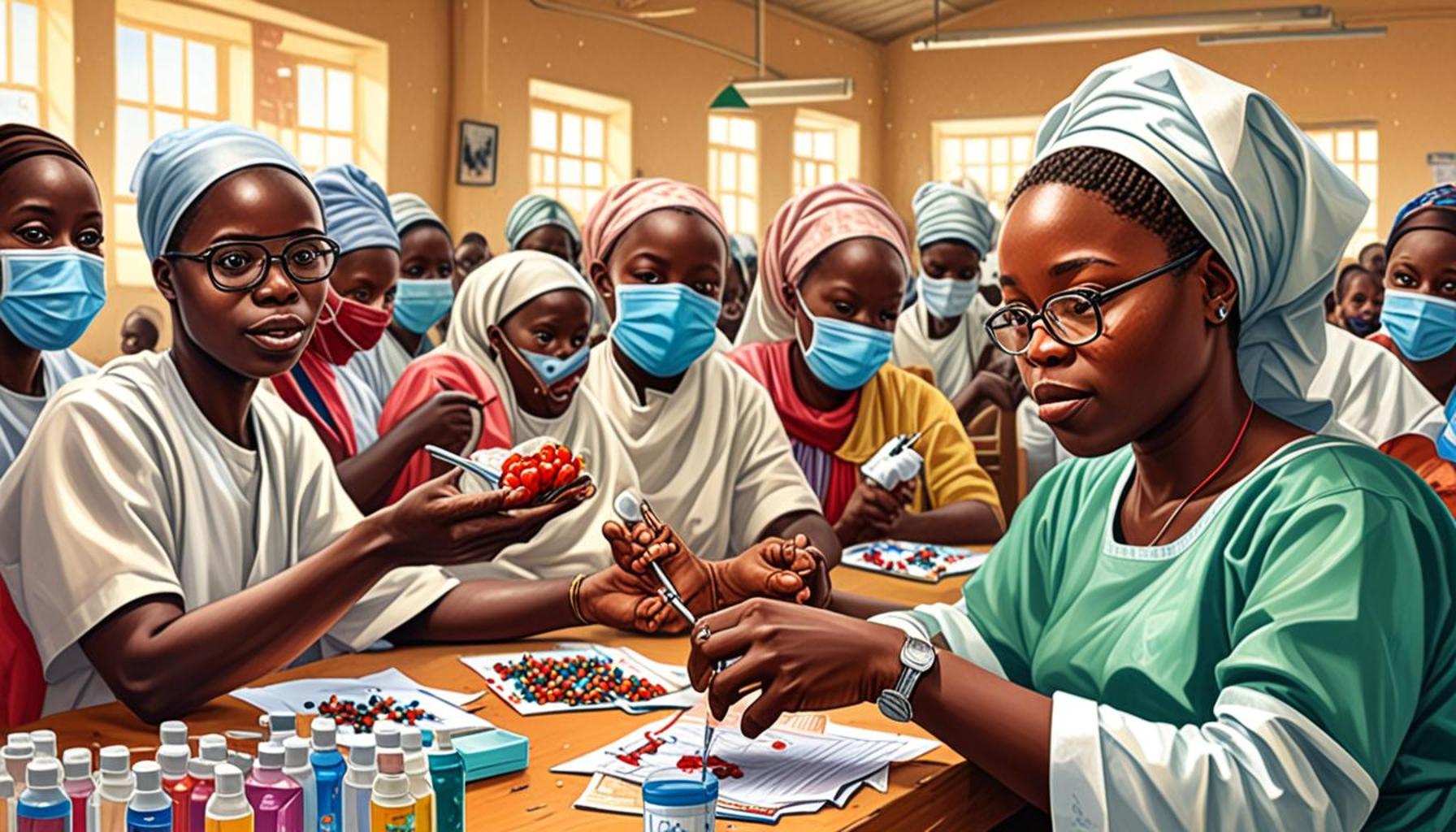
Organizations, both governmental and non-governmental, are increasingly utilizing social media to launch impactful awareness campaigns. These campaigns focus on critical issues such as vaccination protocols and the prevention of zoonotic diseases—diseases that can be transmitted from animals to humans. An excellent example is the campaigns run by the Veterinary Council of Nigeria, which leverage platforms like Facebook and Twitter to promote vaccination drives, illustrating the benefits through engaging posts and eye-catching graphics.
Educational Resources
Social media serves as a powerful medium for providing educational resources that cater to diverse audiences. Content such as infographics detailing the nutritional needs of Nigerian livestock or instructional videos on administering vaccines are particularly beneficial. For instance, many posts created by animal health advocates simplify complex topics, making them accessible to rural farmers who may not have formal education. This knowledge transfer is crucial for fostering better animal care practices, ultimately leading to healthier livestock and pets.
Community Engagement
One of the most transformative effects of social media is its ability to foster community engagement. Farmers, pet owners, and veterinary professionals are using platforms like WhatsApp and Instagram to share their experiences and seek advice. In many cases, local farmers’ groups on WhatsApp have become hubs of support, offering not just advice but also emotional encouragement. This camaraderie helps establish a network where knowledge circulates freely, enabling individuals to handle health challenges in their animals more effectively.
Highlighting Pressing Issues
Through social media, several pressing issues concerning animal health are being highlighted. For instance, rabies prevention campaigns educate the public about the importance of vaccinating pets and the urgent need to report stray animals. These campaigns utilize emotional storytelling through videos and testimonials to motivate communities, resulting in increased participation in vaccination drives.
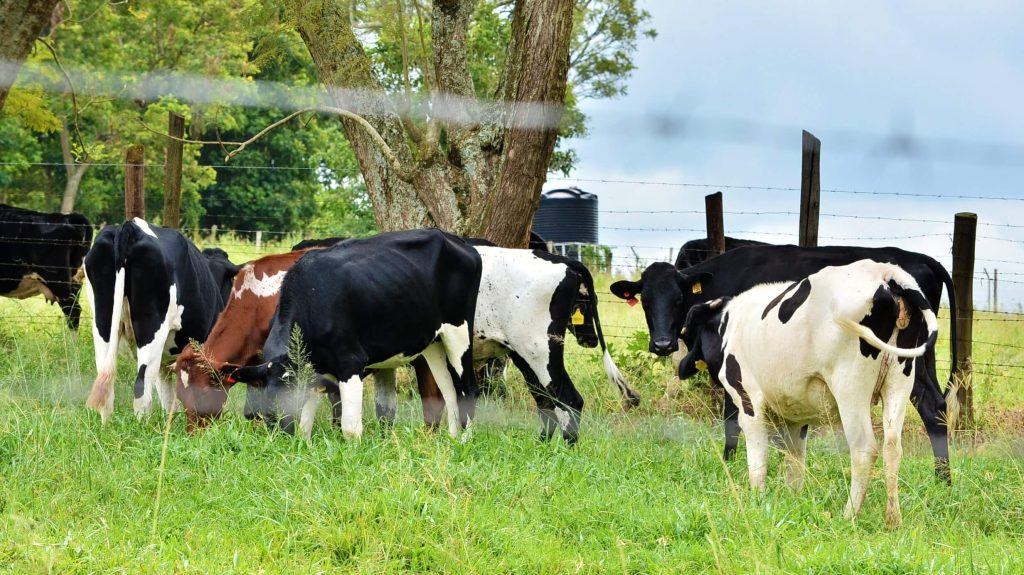
Another topic gaining traction is nutritional awareness. Various posts feature best practices for feeding livestock, emphasizing how nutritionally balanced diets can lead to improved health outcomes. By sharing statistics and case studies, these initiatives are dispelling myths about traditional feeding practices that may be detrimental to animal health.
Moreover, during health crises, the rapid dissemination of information via social media serves as a lifesaver. When outbreaks of diseases like avian influenza are reported, platforms can facilitate quick updates and alerts, helping farmers take immediate precautionary measures.
Collaborative Opportunities
The burgeoning role of social media in animal health awareness signals new collaborative opportunities for NGOs, governmental bodies, and individuals alike. As more stakeholders recognize the power of these platforms, the potential to improve animal health outcomes in Nigeria becomes clearer. Engaging communities in this digital dialogue not only enhances knowledge but also advocates for better policies and practices that safeguard animal welfare.
In conclusion, the engagement in animal health discussions in Nigeria, fueled by social media, is emblematic of a larger shift toward leveraging digital resources for societal improvement. As this online discourse grows, the implications for animal health and welfare become increasingly significant, driving a more informed and proactive community.
CHECK OUT: Click here to explore more
Amplifying the Voices of Animal Health Advocates
Social media platforms have become a vital channel for amplifying the voices of animal health advocates in Nigeria. Users can share valuable insights, success stories, and innovative practices that positively impact animal wellbeing. Through likes, shares, and comments, these voices reach a broader audience, sparking crucial discussions on topics that matter to Nigerian farmers, pet owners, and general animal lovers.
Real-Time Information Sharing
In an era where real-time information can make a meaningful difference, social media offers a unique advantage. Farmers can receive alerts about disease outbreaks, vaccination schedules, and nutritional tips instantly. The quick dissemination of information via platforms like Twitter has transformed how stakeholders approach animal health management.
- Timeliness: Updates about health initiatives or veterinary services can be shared and accessed promptly, ensuring that no one is left in the dark.
- Accessibility: Information about animal diseases and treatment options is made available to users without needing intermediaries, promoting informed decision-making.
- Engagement: Stakeholders can engage with agricultural experts directly, asking questions and receiving advice in real-time.
For instance, case studies from NGOs like the Animal Welfare League Nigeria showcase the success of these platforms in driving awareness. They highlight not just disease prevention strategies but also emphasize the importance of routine care for livestock and pets. When viral posts demonstrate a community coming together to vaccinate pets or create shelters for stray animals, it serves to inspire others to act in similar ways.
Local Influencers Making Changes
Another significant aspect of social media’s role in raising awareness about animal health in Nigeria is the rise of local influencers. These individuals, with substantial followings, leverage their platforms to educate the public about essential animal care practices. The narratives they share are often relatable and resonate with many Nigerians, whether they are urban dwellers or rural farmers. Through engaging content, including videos, photographs, and live discussions, they are shaping perceptions and encouraging responsible pet ownership and livestock management.
Moreover, these influencers often collaborate with veterinarians and certified animal health professionals. This synergy elevates the quality of the information they provide while ensuring it reflects current best practices. As their followers engage with this content, it creates a ripple effect, pushing more people to educate themselves on vital animal health issues. Awareness around topics such as the dangers of antibiotic misuse is particularly crucial, as it directly impacts both animal and human health.
Innovative Campaign Ideas
The creativity seen in social media campaigns around animal health is part of what makes this medium so effective. From contests that encourage pet owners to share the best photos of their healthy pets to hashtag movements that promote responsible sourcing of animal products, initiatives are constantly evolving. Here are a few examples of innovative campaign ideas:
- Adoption Drives: Virtual campaigns where individuals can adopt pets from shelters while engaging the community to participate in responsible ownership.
- Health Challenges: Initiatives encouraging farmers to showcase their livestock’s health status and improvements over time, validating their commitment to animal health.
- Awareness Weeks: Designated days focused on specific health issues, driving discussions, virtual meet-ups, and resource-sharing events.
These creative approaches not only raise awareness but also foster a sense of community among participants, reinforcing the shared responsibility toward animal welfare in Nigeria.
The Role of Social Media in Raising Awareness about Animal Health in Nigeria
As digital connectivity increases, social media platforms have emerged as powerful tools for advocacy and education, particularly in the realm of animal health. In Nigeria, where agriculture plays a vital role in the economy, the health of livestock directly impacts food security and livelihoods. Social media offers unique opportunities for disseminating crucial information about animal diseases, vaccination drives, and best farming practices. By utilizing platforms like Facebook, Twitter, and Instagram, organizations can reach a broad audience, educating farmers about the signs of illness in their animals and the importance of regular veterinary care. Effective campaigns often utilize engaging content, such as infographics and short videos, which can visually convey complex information and catch the attention of even those with limited literacy skills.Moreover, social media serves as an interactive platform where farmers can share their experiences and concerns. This dialogue facilitates community engagement and the exchange of knowledge, fostering a sense of solidarity among farmers. Additionally, the use of hashtags related to animal health can amplify campaigns, driving them to a larger audience. To illustrate these advantages, let’s take a closer look at the benefits of social media in raising awareness about animal health in Nigeria through the table below.
| Advantage | Impact on Animal Health |
|---|---|
| Access to Timely Information | Farmers receive real-time updates on disease outbreaks and treatment options. |
| Community Engagement | Encourages sharing of experiences and evidence-based practices among farmers. |
This clear interaction not only promotes awareness but also drives behavioral changes leading to improved animal health outcomes across Nigeria. As the conversation around animal health grows on social media, it creates avenues for collaboration among farmers, veterinarians, and government agencies, ultimately fostering a more informed and healthier agricultural sector.
RECOMMENDED: Check out this similar article
Building a Knowledge-Driven Community
As social media continues to transform the landscape of communication in Nigeria, it has also played a pivotal role in fostering a knowledge-driven community dedicated to animal health. Various online platforms allow users to join groups and forums specifically focused on animal healthcare. These dedicated spaces cater to various interests—from pet care to livestock management, enabling users to discuss challenges, share solutions, and celebrate improvements.
Peer-to-Peer Support Networks
One of the remarkable aspects of social media is its ability to create peer-to-peer support networks. Farmers and pet owners are increasingly utilizing platforms like Facebook and WhatsApp to connect with one another. They share experiences, report on local animal health issues, and provide emotional support during difficult times. For instance, when a farmer faces an outbreak of a disease in their livestock, posting a query in a local animal health group often results in immediate advice from experienced peers, potentially saving lives.
- Collaboration: Shared experiences among users encourage collaboration, allowing for the exchange of practical solutions tailored to local contexts.
- Shared Resources: Users can share resources like contact information for reliable veterinarians or local clinics, bridging gaps in accessible veterinary services.
- Experience-Based Education: First-hand accounts of successes or failures create a hands-on learning environment that is particularly relevant in Nigeria’s diverse agricultural landscape.
Furthermore, local farmers are increasingly accessing specialized knowledge that was once limited to formal education or expert seminars. For example, the challenges presented by diseases like African Swine Fever have sparked discussions among pig farmers online. Through shared inputs about vaccination schedules and management practices, they are gradually enhancing their disease management skills, leading to healthier livestock.
Highlighting Local Success Stories
Social media also serves as an effective platform for spotlighting local success stories. Many Nigerian farmers and pet owners upload videos and testimonials highlighting their journeys in animal health management. These powerful narratives serve to inspire others and instill a sense of hope and possibility. Campaigns showcasing community members who have successfully treated sick animals or improved livestock productivity through better health practices create a visual impact that statistics often cannot convey.
Such storytelling promotes a culture of excellence and commitment within communities. NGOs and local organizations often share these success stories to further amplify the message. When a community celebrates a successful vaccination drive, as seen in viral posts from Lagos or Kano, it encourages other regions to undertake similar initiatives. The replication of successful models helps advance animal health education across Nigeria.
Promoting Scientific Understanding
In addition to personal experiences and success stories, social media has contributed to the promotion of scientific understanding regarding animal health issues. Organizations like the Nigerian Veterinary Medical Association (NVMA) actively use social media to disseminate research findings and industry updates. This information, often presented in simple terms and through infographics, makes complex scientific topics more accessible to general audiences.
- Myth Busting: These efforts effectively address misconceptions—such as the belief that only certain breeds of livestock need vaccinations—thereby fostering a more informed public.
- Awareness Campaigns: Outreaches on social media educate users about zoonotic diseases and other pressing issues that blend animal health and public health.
- Evidence-Based Practices: Fostering a dialogue around evidence-based practices encourages informed decision-making among farmers and pet owners.
In this manner, social media plays an essential role in shaping public perception and knowledge about animal health in Nigeria, creating a community that values informed discussion and shared learning.
CHECK OUT: Click here to explore more
Conclusion: The Impact of Social Media on Animal Health Awareness in Nigeria
The role of social media in raising awareness about animal health in Nigeria cannot be overstated. As a dynamic tool for communication, social media platforms have successfully bridged the gap between farmers, pet owners, and veterinary professionals, fostering a community that thrives on shared knowledge and experiences. Through peer-to-peer support networks, users can easily access valuable information, share resources, and provide emotional reinforcement when navigating the challenges of animal healthcare.
Moreover, the dissemination of local success stories has not only encouraged community engagement but also sparked a culture of excellence, inspiring others to adopt improved health practices for their animals. The visibility provided by social media channels amplifies these narratives, allowing them to resonate across regions and prompt collective action towards better animal health management. In addition, contributions from organizations like the Nigerian Veterinary Medical Association ensure that essential scientific knowledge reaches the public, combating myths and promoting evidence-based practices that are integral to improving animal welfare.
As Nigeria continues to grapple with various animal health issues, the proactive use of social media will be critical in shaping public perception and understanding. Encouraging continued dialogue, innovative solutions, and awareness campaigns will ultimately enhance the health and productivity of Nigeria’s livestock and companion animals. It’s clear that social media is not just a platform but a vital catalyst for a healthier future for animals across the nation. To fully harness this potential, stakeholders—including government bodies, NGOs, and animal health professionals—must collaborate to ensure that the wealth of information circulating on these platforms is accurate, inclusive, and accessible to all.
Related posts:
The Role of Community Education in Improving Animal Health Services in Nigeria
The Relationship between Pet Owners' Mental Health and Veterinary Care for Pets
The Impact of Zoonotic Diseases on Public and Animal Health in Nigeria
The Importance of Affordable Veterinary Services for Animal Health in Nigeria
The Importance of Dental Health in Pets and Its Impact on Overall Health
The Importance of Continuous Training for Veterinarians in Improving Animal Health Services

Linda Carter
Linda Carter is a writer and pet care expert specializing in pet health, grooming, and wellness. With extensive experience helping pet owners create safe, loving, and enriching environments for their animals, Linda shares her knowledge on our platform. Her goal is to empower readers with practical advice and strategies to ensure their pets thrive and lead joyful, healthy lives.