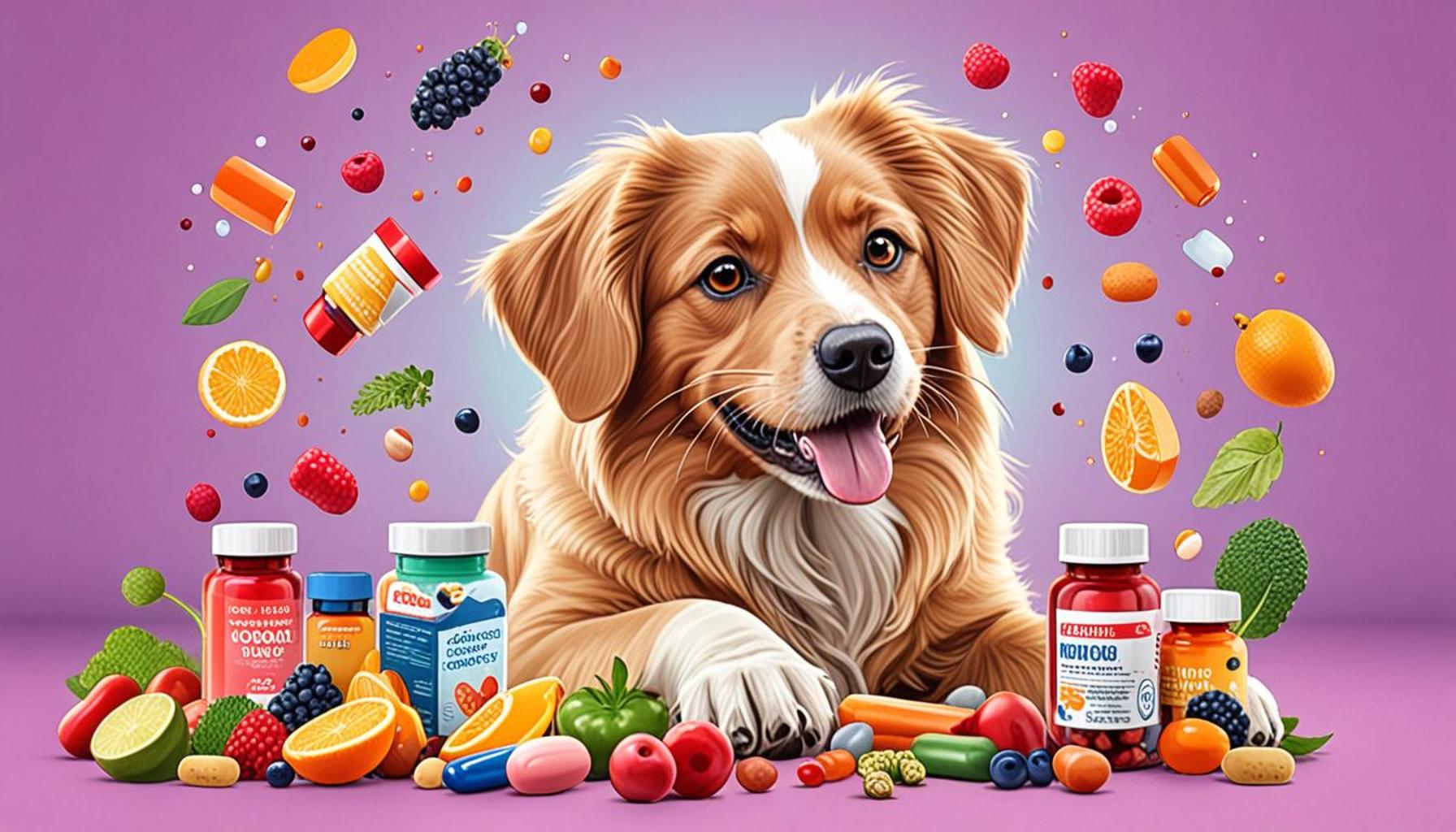
Specific Diets for the Elderly: Nourishing Pets in Advanced Stages of Life
Understanding Nutritional Needs in Aging Pets
As our beloved pets grow older, their dietary requirements change significantly. Recognizing and addressing these shifts is crucial for maintaining their health and happiness. In Nigeria, where many families consider pets as part of the family, ensuring optimal nutrition for aging pets can enhance their quality of life.
The Importance of Tailored Diets
Specific diets for elderly pets offer numerous benefits, including:
- Improved Digestion: Nutrient-rich foods can aid in easier digestion, which is especially beneficial for older pets as their digestive system may slow down. Ingredients like probiotic-rich yogurt or cooked pumpkin can promote gut health and ease digestion.
- Joint Health: Specialized diets can help manage arthritis and mobility issues through the inclusion of supplements like glucosamine and chondroitin. These components are essential for keeping joints flexible and minimizing pain. Fish oil, rich in omega-3 fatty acids, can also reduce inflammation, making mobility easier.
- Weight Management: Tailored nutrition helps prevent obesity, a common challenge in older pets. Ensuring that your pet maintains a healthy weight is pivotal, as excess weight can exacerbate health issues. Foods lower in calories but high in fiber, such as green beans or carrots, can promote satiety without unnecessary weight gain.
Moreover, ingredients rich in antioxidants, such as blueberries and spinach, can support cognitive function, reducing the risk of age-related decline. In Nigeria, easily available ingredients, such as chicken, fish, and sweet potatoes, are not only nutritious but also familiar and often preferred by pets. Incorporating local sources further promotes a healthier diet and helps pet owners to create personalized meal plans that can range from home-cooked meals to high-quality commercially available options.
Choosing the Right Diet
When selecting a diet for aging pets, consider the following:
- Life Stage: Look for food specifically formulated for senior pets. These products are often denser in nutrients while being easier on the digestive system. Brands like Royal Canin and Hill’s Science Diet offer senior-specific options tailored to different breeds and sizes.
- Health Conditions: Consult with a veterinarian, especially if your pet has specific health issues such as diabetes, kidney disease, or heart conditions. A vet can recommend dietary adjustments or specialized diets that can better manage these conditions.
- Local Ingredients: Incorporate local, nutritious ingredients into homemade diets. For instance, the use of fish from local rivers or chicken sourced from nearby farms not only supports a balanced diet but also ensures that the food is fresh and chemical-free.
Understanding the nutritional needs of elderly pets is vital for their longevity and well-being. By catering to these needs, pet owners can significantly improve the quality of their furry companions’ lives. An engaged pet owner who prioritizes nutrition can make a profound difference during those cherished golden years, enabling pets to thrive instead of merely survive. With the right knowledge and resources, every pet can enjoy a healthy, active, and joyful life even in their later years.
SEE ALSO: Click here to read another article
Understanding Specific Dietary Requirements for Senior Pets
As pets age, their bodies undergo a series of changes that significantly impact their nutritional needs. For pet owners in Nigeria, understanding these dietary shifts is essential for promoting a fulfilling and healthy life for their elderly companions. An appropriate diet tailored to an older pet’s unique requirements can be the difference between just surviving and truly thriving during their golden years.
Nutritional Components for Aging Pets
The dietary needs of senior pets often demand a careful selection of ingredients to ensure they receive optimal nutrition. Here are key components to consider when formulating a diet for elderly pets:
- High-Quality Protein: As pets age, muscle mass tends to decrease. Including high-quality proteins, such as chicken, turkey, and fish, helps maintain lean muscle while being gentle on the digestive system.
- Healthy Fats: Omega-3 and Omega-6 fatty acids are essential for skin and coat health and can also enhance cognitive function. Incorporating fats from sources such as fish oil can be particularly beneficial.
- Fiber-Rich Foods: Older pets often experience digestive issues, making fiber-rich foods like pumpkin and green beans not just nutritious but also essential for gastrointestinal health. These ingredients can ease constipation and support regular bowel movements.
- Vitamins and Minerals: Supplements, particularly those containing calcium, phosphorus, and important vitamins like A, C, and E, can support bone health and immune function. Local foods like sweet potatoes and leafy greens can provide these essential nutrients.
- Hydration: Maintaining hydration is critical, particularly for older pets that may begin to drink less water. Wet food options or adding water to dry kibble can encourage fluid intake.
It’s worth noting that in Nigeria, where access to fresh, local ingredients is abundant, pet owners can easily incorporate a variety of nutrient-rich foods into their elderly pets’ diets. For example, dishes made from local chicken or fish, coupled with vegetables like okra and pumpkin, not only meet nutritional requirements but can also excite an aging pet’s palate.
Identifying the Signs of Dietary Fatigue
Understanding the importance of diet in elderly pets goes beyond just knowing what to feed them. Pet owners should also be attuned to their pets’ reactions to different diets or foods. Signs of dietary fatigue might include:
- Reluctance to Eat: If an elderly pet suddenly shows disinterest in their food, it may be a signal that they are tired of the same meals.
- Weight Changes: Sudden weight loss or gain could indicate that the current diet is not meeting their nutritional needs.
- Digestive Issues: Frequent vomiting, diarrhea, or changes in stool consistency can also indicate that the diet requires reassessment.
The observant pet owner plays a critical role in ensuring their furry friends continue to enjoy their meals into advanced stages of life. With a bit of creativity and an understanding of specific dietary needs, aging pets in Nigeria can enjoy a fulfilling, delicious dining experience that supports their overall health.
Understanding Nutritional Needs
The nutritional needs of elderly pets change significantly as they age. Older animals often face a variety of health challenges, including arthritis, obesity, kidney disease, and dental issues. According to veterinarians, specific diets for aging pets should focus on high-quality proteins, reduced calories, and easily digestible ingredients. Foods that include omega-3 fatty acids can support joint health and cognitive function, making them beneficial for senior pets.
Key Ingredients to Look For
When selecting a diet for elderly pets, it’s essential to consider the ingredients. Look for diets that are rich in antioxidants, such as blueberries and cranberries, which can help combat the effects of aging. Additionally, probiotics and prebiotics are crucial in promoting a healthy gut, which is vital for older pets who may experience digestive issues.
Tailored Meal Plans
Creating tailored meal plans can significantly enhance the quality of life for your pet. Consulting with a veterinarian can help identify the best specific diets for the elderly based on their weight, health conditions, and lifestyle. A balanced approach that includes a mix of dry and wet food can also encourage hydration, which is crucial in older pets. Remember that transitioning to a new diet should be gradual to avoid gastrointestinal upset.
Benefits of Proper Nutrition
Proper nutrition plays a key role in prolonging the health span of elderly pets. It can aid in weight management, improve energy levels, and strengthen the immune system. Quality diets specifically designed for older pets have been shown to reduce the risk of chronic diseases and improve overall well-being.
Exploring Specialized Diets
Some commercial pet food brands offer specialized diets aimed at senior animals. Brands that focus on veterinary science have developed formulas enriched with various nutrients tailored to address the common health concerns seen in aging pets. These diets can offer reassurance to pet owners that their furry companions receive the necessary care.
The Emotional Aspect of Nutrition
Lastly, it’s vital to understand the emotional impact of nutrition on elderly pets. Comfortable, tasty meals can bring joy and stimulate appetite, while a diet that fails to meet their needs may lead to reluctance to eat, potentially impacting their health further. Therefore, making mealtime enjoyable becomes just as important as the nutritional aspects.
| Category | Benefits of Specific Diets |
|---|---|
| Nutrient-rich Ingredients | Support health issues like joint pain and cognitive decline. |
| Tailored Meal Plans | Offer specific nutrition matched to health conditions. |
| Emotional Well-being | Ensure pets enjoy their meals and promote emotional health. |
LEARN MORE: This related article may interest you
Adapting Diets to Meet Individual Health Needs
Recognizing that elderly pets often present various health challenges is vital for their well-being. Several conditions that affect senior pets necessitate specific dietary adjustments, ensuring that their meals foster both wellness and vitality. For instance, conditions such as arthritis, diabetes, and kidney disease require specialized diets, making it imperative for owners to consult with veterinarians before implementing changes.
Dietetics for Chronic Conditions
Managing Arthritis: Arthritis is common among aging pets, leading to discomfort and mobility issues. Diets rich in anti-inflammatory ingredients such as fish oil, flaxseeds, and turmeric can help alleviate some of these symptoms. Additionally, including glucosamine and chondroitin in their diet can support joint health. In Nigeria, locally sourced fish, particularly catfish and mackerel, serve as excellent bases for meals high in omega fatty acids.
Addressing Diabetes: Senior pets may also face diabetes, which requires significant dietary control. Low-carbohydrate, high-fiber diets help stabilize blood sugar levels. Pet owners can consider creating meals that incorporate local low-glycemic vegetables like leafy greens and green beans. To keep it enjoyable, adding small portions of high-quality protein can make these dishes more appetizing while maintaining the necessary dietary restrictions.
Kidney Health Considerations: For pets suffering from kidney issues, reducing protein and phosphorous levels in their diet is crucial. However, the quality of protein supplied must be high to maintain muscle mass without taxing the kidneys. In this case, ingredients such as boiled chicken breast or egg whites become valuable additions. Additionally, local options like yam and sweet potatoes can provide potassium without overloading on phosphorus. It’s essential that the balance of hydration is maintained, so feeding wet food in combination with fresh, plain water is an excellent strategy.
Incorporating Supplements Wisely
Beyond whole foods, many owners consider dietary supplements to enhance the nutritional profile of meals for elderly pets. However, it’s important to approach this with caution. Not all supplements are beneficial; some may even contradict prescribed diets. Common supplements include omega fatty acids, probiotics, and antioxidants. Probiotics like those found in natural yogurt can help improve gut health, especially in pets that have chronic digestive issues. In Nigeria, natural, unsweetened yogurts are readily available and can be utilized as a tasty treat that aids digestion.
Making Meals Enjoyable and Safe
Texture and aroma become increasingly important for elderly pets who might struggle with taste and smell as they age. Soft, easily chewable foods can encourage pet owners to explore homemade diets, incorporating a blend of cooked grains, meats, and vegetables, while ensuring that meals remain nutritionally balanced. Moreover, pet owners should avoid hazardous human foods like onions, chocolate, and caffeine, which can be toxic to pets. Awareness of locally sourced ingredients allows owners to create vibrant meals, appealing not only to their pets ‘taste buds but also addressing their nutritional needs effectively.
As the journey of pet ownership continues into their seniors, adapting diets to suit the nuanced needs of aging companions becomes an essential part of providing care. The more owners educate themselves on the specific dietary requirements for elderly pets, the more they can assure quality of life as these beloved members of the family advance in age.
ADDITIONAL INSIGHTS: Expand your understanding here
Conclusion: Prioritizing Nutritional Needs for Senior Pets
Caring for aging pets involves more than simply maintaining their comfort; it requires a keen understanding of specific dietary needs that accommodate their unique health issues. As we have explored, arthritis, diabetes, and kidney disease are prevalent conditions among elderly animals that mandate targeted nutritional strategies to promote their well-being. By recognizing the importance of incorporating anti-inflammatory ingredients, assessing carbohydrate levels, and adjusting protein intake, pet owners can significantly enhance their pets’ quality of life.
Choosing local, fresh ingredients—like catfish for rich omega fatty acids or yam for nutritious carbohydrates—can also play a pivotal role in creating a balanced diet that is both accessible and beneficial. Furthermore, the use of supplements, when selected cautiously and guided by veterinary advice, can offer an additional layer of support to overall health. As such, understanding the intricate relationships between diet, health, and well-being becomes essential to the longevity and vitality of our cherished pets.
Finally, it is crucial to remember that making meals enjoyable through appropriate textures and flavors can ignite a renewed interest in eating, which is equally important in preventing malnutrition. In promoting the health of our elderly furry family members in Nigeria, we must stay informed, proactive, and compassionate, embracing the responsibility to cater to their evolving needs. With thoughtful dietary planning, we can ensure that these loyal companions receive the nourishment they deserve in their advanced years, transforming their golden age into a phase filled with love, comfort, and joy.
Related posts:
Feeding Strategies for Pets with Special Needs
How Nutrition Affects the Longevity of Pets
Nutritional Supplements: When and How to Use Them in Your Pet's Diet
Natural Food vs. Commercial Feed: Which is the Best Option for Your Pet?
The Importance of a Balanced Diet for the Health of Dogs and Cats
The Importance of Balanced Nutrition for Long-Term Pet Health

Linda Carter
Linda Carter is a writer and pet care expert specializing in pet health, grooming, and wellness. With extensive experience helping pet owners create safe, loving, and enriching environments for their animals, Linda shares her knowledge on our platform. Her goal is to empower readers with practical advice and strategies to ensure their pets thrive and lead joyful, healthy lives.