How to Deal with Separation Anxiety in Dogs and Cats
Understanding Separation Anxiety in Pets
Separation anxiety in dogs and cats is a widespread issue, particularly for pet owners who have fostered strong bonds with their animals. The emotional ties can become so significant that when their owners leave, pets can become distressed, leading to a range of problematic behaviors. This condition is not just a minor inconvenience; it can significantly impact the day-to-day lives of both pets and their owners, creating a cycle of anxiety that can be difficult to break.
Recognizing the signs of separation anxiety is critical to addressing the issue effectively. Among the common indicators are:
- Excessive barking or meowing: Pets may vocalize excessively when left alone as a way to express their distress. Persistent vocalizations can be a clear cry for help, signaling their need for attention or reassurance.
- Pawing at the door or windows: This behavior often indicates that a pet is trying to escape or search for their owner. In many cases, they may scratch at doors or claw at screens in an attempt to reunite with their loved ones.
- Destructive behavior: If a pet resorts to chewing furniture or scratching walls, it is often a clear sign of anxiety. This destruction is not merely mischievous behavior; it can be a coping mechanism as they try to relieve the stress of being alone.
In Nigeria, where many families view pets as integral members of the household, understanding and addressing separation anxiety is especially vital. The deep-rooted cultural bonds between owners and their pets necessitate a thoughtful approach. Solutions need to be effective while accommodating rich family dynamics and the emotional landscape of the pet-owner relationship.
Fortunately, there are various strategies to help manage and alleviate separation anxiety. Implementing training programs tailored to the individual needs of pets can significantly reduce anxiety levels. For instance, gradual exposure to alone time in a safe, confined space can help pets adjust. Training sessions focused on positive reinforcement can reinforce calm behaviors when the pet is left alone.
Creating a safe space can also work wonders. This could involve designating a particular area in the house that feels secure for the pet, complete with toys, a bed, and comforting scents. Some pet owners have found success using calming aids, such as anxiety wraps or even pheromone diffusers, which create a soothing environment for anxious pets.
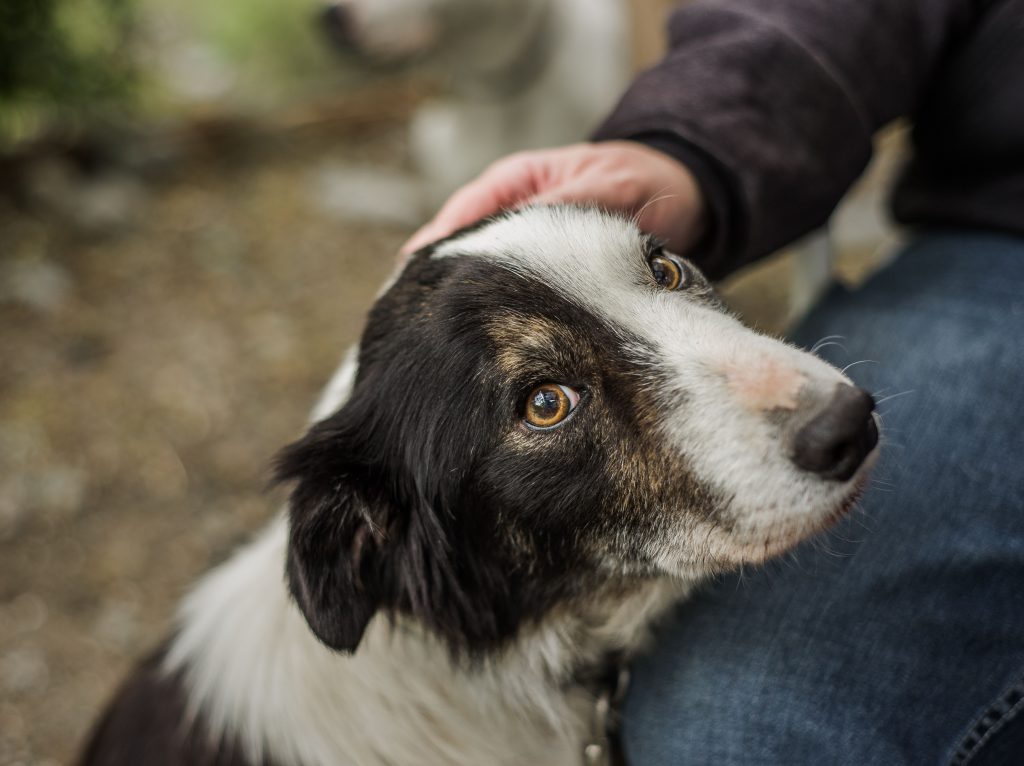
As awareness of pet separation anxiety grows, it becomes crucial for pet owners in Nigeria to educate themselves about this distressing condition. By understanding how to support furry companions during periods of absence, families can foster happier, healthier pets, ultimately leading to a more harmonious home environment. This approach not only enhances the well-being of the animals but also alleviates the undue stress placed on owners, allowing for a better quality of life for both.
YOU MAY ALSO LIKE: Read read another article
Effective Strategies to Combat Separation Anxiety
Addressing separation anxiety in pets requires a multi-faceted approach that fosters trust, security, and emotional well-being in dogs and cats. In the ever-busy lifestyle of many Nigerian families, particularly in urban areas, understanding how to create a balanced environment for pets while managing the challenges of separation is vital. Here are some practical strategies to help ease your furry friends’ anxiety when left alone.
Gradual Desensitization
One of the most effective methods for helping pets cope with separation anxiety is gradual desensitization. This training technique involves slowly getting your pet used to being alone in a controlled manner. Start by leaving your pet alone for short periods, gradually increasing the duration as they become more comfortable. By doing this, they learn to associate short periods of separation with positive outcomes, such as reunions that are accompanied by love and affection.
Positive Reinforcement Techniques
Rewarding calm behavior when you leave and return home can be a game changer. Using positive reinforcement techniques, such as treats or praise, when your pet remains calm during your departures and arrivals, encourages them to develop a healthy response to separation. This method reinforces the idea that being alone is not a distressing experience.
Environmental Enrichment
Providing mental stimulation can also significantly reduce anxiety levels in your pets. Environmental enrichment strategies play an essential role. Invest in toys that challenge your pets mentally, such as puzzle feeders or interactive toys that dispense treats. Rotate these toys regularly to keep their interest piqued. Additionally, consider setting up cozy spots filled with items that carry your scent, as this can provide comfort in your absence.
Establishing a Routine
Dogs and cats thrive on routines, and establishing a consistent schedule can contribute to their sense of security. Try to keep feeding, walking, and playtime consistent, even when you are not home. A reliable routine can help pets feel more secure, knowing that things will happen at regular intervals. This structured environment is especially important for pets in Nigerian households, where community dynamics can frequently shift, introducing unpredictability that might intensify their anxiety.
Seeking Professional Help
If your pet’s anxiety persists despite these efforts, it may be time to consult a professional. Animal behaviorists or veterinarians can offer tailored advice and may suggest therapies ranging from medication to specialized training programs. Understanding your pet’s unique emotional needs and behaviors is crucial in crafting individualized strategies that support their mental well-being.
Exploring these different strategies can pave the way toward a tranquil coexistence with your beloved pets. Separation anxiety, while challenging, can be effectively managed, leading to happier pets and more harmonious household dynamics. With informed action, pet owners in Nigeria can not only improve their pets’ quality of life but also cultivate a deeper connection with their furry companions.
| Category | Description |
|---|---|
| Understanding Triggers | Identifying specific situations that cause anxiety, such as changes in routine or environment enhance effective management. |
| Behavioral Training | Utilizing positive reinforcement methods helps your pets learn to cope with isolation and reduces anxiety over time. |
Another crucial aspect of addressing separation anxiety in pets is to focus on understanding triggers. Recognizing what specifically causes your dog or cat to feel anxious is essential for creating a tailored approach. Triggers can range from changes in their routine, such as a new work schedule, to environmental changes like moving to a new home. Monitoring their behavior during different scenarios allows you to identify these triggers more effectively.Incorporating behavioral training is also key to managing anxiety in dogs and cats. Techniques like desensitization—gradually exposing them to the scenario they fear—paired with positive reinforcement can be highly effective. For instance, rewarding your pet when they display calm behavior during short absences can help shift their focus away from anxiety. Implementing structured routines can provide comfort and security, allowing them to adapt more easily to your comings and goings.By diving deeper into these aspects, pet owners can develop a comprehensive plan that significantly alleviates their furry friends’ separation distress. Expanding your knowledge on the subject, including consulting veterinary professionals or pet behaviorists, can provide further insights into effective management and treatment options for separation anxiety.
RECOMMENDED: Check out this similar article
Additional Tools and Techniques for Easing Separation Anxiety
In addition to the primary strategies mentioned, there are further tools and techniques that can aid in alleviating separation anxiety in pets. Addressing the emotional needs of dogs and cats requires creativity and consistency, especially in the context of Nigerian households where family structures and schedules may vary. Below are various approaches that can enhance the journey toward reducing your pet’s anxiety levels.
Creating a Safe Space
Designating a specific area in your home as your pet’s safe zone can immensely reduce anxiety. Creating a safe space involves setting up an area that includes their favorite bed, toys, and even some of your old clothing. This space should be away from household noise and disturbances, promoting a sense of refuge. In urban Nigeria, where environments can be bustling and chaotic, a tranquil corner can be particularly beneficial for pets needing solace.
Use of Calming Products
Various products in the market are designed to help ease anxiety in pets. Calming collars, sprays, and diffusers infused with natural calming ingredients like lavender or chamomile can create a soothing atmosphere. Additionally, consider investing in a Thundershirt or anxiety wrap that applies gentle pressure to your pet’s body, mimicking the comfort of being held, which has been known to alleviate stress. Implementing these products can yield noticeable improvements, especially for those pets who struggle during leave-taking.
Socialization and Interaction
Another critical factor in managing separation anxiety is socialization. Dogs and cats require regular interaction with both humans and other animals to develop confidence and decrease feelings of insecurity. Arranging playdates with other pets or simply having a friend visit can provide the necessary social exposure that fosters resilience. Engaging with pets that exhibit calm behavior can also have a beneficial effect, teaching anxious animals how to feel more at ease.
Consider Alternative Care Solutions
When extended absences are unavoidable, consider alternative care solutions like hiring a pet sitter or using doggy daycare services. Having someone your pet is familiar with can prevent or lessen anxiety during longer separations. These services not only bring companionship but also provide an avenue for energetic play and interaction, essential for reducing stress for pets who thrive on social engagement. In larger Nigerian cities, these services are increasingly available and can be tailored to meet your pet’s specific needs.
Monitoring Technology
Thanks to advances in technology, pet owners can now utilize monitoring devices and apps to observe their pets’ behavior while away. Cameras equipped with two-way audio can help you check in on your pet, providing real-time reassurance for both you and your furry friend. This connection can reduce your guilt and anxiety about their well-being and may help your pet feel more secure, knowing they are still connected to you.
In summary, addressing separation anxiety in dogs and cats goes beyond basic training methods. By incorporating safe spaces, calming products, socialization, alternative care, and monitoring technologies, you can comprehensively support your pet’s emotional health. Understanding these diverse approaches fosters an environment in which your pets can thrive, even in the face of separation.
SEE ALSO: Click here to read another article
Conclusion: Fostering a Secure Environment for Pets
In conclusion, dealing with separation anxiety in dogs and cats requires a multi-faceted approach that encompasses understanding, empathy, and tailored strategies. As pet owners in Nigeria navigate the challenges of balancing busy lifestyles with the emotional well-being of their beloved companions, it is essential to recognize that the journey to alleviating anxiety is not a one-size-fits-all process. By creating a secure environment, employing calming products, facilitating consistent socialization, exploring alternative care solutions, and leveraging monitoring technology, you can effectively support your pet’s emotional health.
Importantly, the road to easing your pet’s anxiety is also about fostering a deeper bond with them. Simple actions like spending quality time, participating in fun activities, and providing reassurance can help them feel cherished and secure. Moreover, it is crucial to be patient and observant, understanding that each pet is unique and may respond differently to various interventions.
By integrating these diverse strategies, you can substantially improve your pet’s ability to cope with separation, allowing them to thrive both in your presence and during periods of solitude. Remember, as much as we strive to give our pets the best life possible, they rely on us to make them feel safe and loved. Therefore, equipping yourself with knowledge and resources to manage separation anxiety will not only enhance your pet’s well-being but also strengthen the incredible bond you share.
Related posts:
How to Prepare Your Pet for Travel and Moving
Special Care for Elderly Pets in Nigeria
How to Choose the Best Pet Food for Your Animal in Nigeria
The Importance of Socialization for the Well-Being of Pets
Positive Training Techniques for Dogs and Cats in Nigeria
The Importance of Parasite Prevention in Pets

Linda Carter
Linda Carter is a writer and pet care expert specializing in pet health, grooming, and wellness. With extensive experience helping pet owners create safe, loving, and enriching environments for their animals, Linda shares her knowledge on our platform. Her goal is to empower readers with practical advice and strategies to ensure their pets thrive and lead joyful, healthy lives.