Menu

Therapy Dog Training: Preparing Your Pet to Help Others

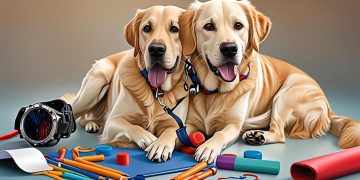
Therapy dog training empowers your pet to provide essential emotional support in various settings, enhancing mental well-being. With the right training, dogs develop crucial social skills and calm temperaments, making them invaluable companions in hospitals, schools, and community initiatives focused on mental health.

The importance of interactive training: creating a stronger bond between you and your pet

Interactive training is essential for strengthening the bond between pets and their owners. By enhancing communication, socialization, and mental stimulation, this approach fosters trust and mutual understanding. Engaging in positive reinforcement leads to well-behaved, happy pets, enriching both their lives and those of their human companions.

The importance of socialization in puppy training

Socialization is vital in puppy training, shaping behavior and personality. Early exposure to diverse experiences, people, and environments fosters confidence, reduces fear, and encourages positive interactions. A well-socialized puppy not only adapts better but also strengthens the bond with its owner, leading to a happier, well-adjusted companion.


Fun Trick Training: How to Stimulate Your Pet’s Mind While Having Fun

Engage your pet's intelligence and strengthen your bond through fun trick training. This enjoyable activity not only stimulates their mind but also enhances their behavior and trust. Utilizing positive reinforcement, props, and community interactions makes training dynamic and rewarding, creating memorable moments while promoting cognitive development.

The importance of training elderly dogs: adapted techniques for senior dogs

Training elderly dogs is vital for enhancing their quality of life. Tailored techniques, like short sessions and positive reinforcement, cater to their physical and cognitive needs. By adapting training methods, owners can strengthen their bond, improve obedience, and ensure senior dogs enjoy their golden years with joy and health.

Developing Training Skills for Service Dogs: A Practical Guide

Effective service dog training is essential for enhancing the lives of individuals with disabilities. This guide emphasizes the significance of basic commands, task-specific training, socialization, and advanced techniques like distraction training and scent work, ensuring well-trained dogs can adapt to diverse environments and effectively support their handlers.

How to use positive reinforcement to modify unwanted behaviors in pets

This article explores how positive reinforcement can effectively modify unwanted behaviors in pets. It emphasizes rewarding good behavior rather than punishment, enhancing learning, reducing anxiety, and building trust. Techniques like clicker training and structured reward systems foster a harmonious relationship between pets and owners, promoting better behavior and companionship.

Developing a Training Program for Pets with Special Needs: Inclusive and Adaptive Approaches

Developing a training program for pets with special needs requires inclusive and adaptive approaches tailored to individual challenges. Effective training fosters deep bonds, enhances quality of life, and promotes community engagement, enabling pets to thrive while raising awareness about their unique capabilities and needs within society.

The role of routine in pet training: how consistency can influence learning

Establishing a consistent routine in pet training is essential for effective learning. Routine enhances communication, reduces anxiety, and fosters a strong bond between pets and owners. By implementing structured sessions and positive reinforcement, pet owners can significantly improve behavioral responses and create a harmonious living environment for their furry companions.

The Impact of Nutrition on the Health of Pets in Nigeria

Proper nutrition is essential for pets' health in Nigeria, influencing their growth, immune function, and weight management. Many pet owners misunderstand dietary needs, leading to malnutrition and health issues. Increasing awareness and education on balanced diets can significantly enhance pets' well-being, ensuring longer, healthier lives.