
How to Prepare Your Pet for Travel and Moving

Preparing Your Pet for Travel
Traveling with your pet can be an exciting yet daunting task. Whether you’re relocating to a new city in Nigeria or planning a vacation, preparing your furry friends is essential for a smooth journey. Understanding the steps to properly prepare your pet for travel and moving can help alleviate stress and ensure their safety.
Health Check
Before embarking on your travel plans, it is crucial to schedule a visit to the veterinarian for a comprehensive health check-up. A vet can assess your pet’s overall health and ensure they are fit for travel, especially during the hotter months in Nigeria when pets can be more susceptible to heat exhaustion. During this visit, discuss any vaccinations required for cross-state travel or international trips, as certain regions may have specific health regulations. Additionally, ask about any medications your pet might need for anxiety or motion sickness—a common issue for pets traveling in vehicles or by air.
ID Information
Ensuring that your pet is identifiable is vital for their safety. Make sure to update your pet’s identification tags with your current contact information. Consider investing in a microchip, as this provides a permanent form of identification that cannot be lost, unlike tags. Microchips are essential when traveling, especially if your pet inadvertently slips away in an unfamiliar locale. Many shelters and veterinary clinics have scanners to read microchips, thus increasing the chance of a quick reunion if your pet gets lost.
Travel Supplies
Preparing a travel kit for your pet is a critical step in ensuring their comfort and safety. Gather essentials such as a comfortable pet carrier that adheres to airline regulations if you’re flying. Look for a carrier that has ample ventilation and space for your pet to stand up and turn around. Don’t forget a sturdy leash for walks, along with your pet’s regular food, water, and bowls for hydration along the journey. Including familiar items like a favorite blanket or toy can also offer comfort and reduce anxiety during travel.
Understanding Local Conditions
In Nigeria, varying climates and travel modes can impact your pet’s experience significantly. For instance, during the rainy season, when road conditions can become treacherous, it’s important to consider how the weather might affect travel plans. Ensure your pet is protected from adverse weather conditions, such as carrying an umbrella for walks or selecting a climate-controlled vehicle for longer trips. The right preparation not only enhances their comfort but also ensures compliance with travel regulations set forth by airlines or state authorities.
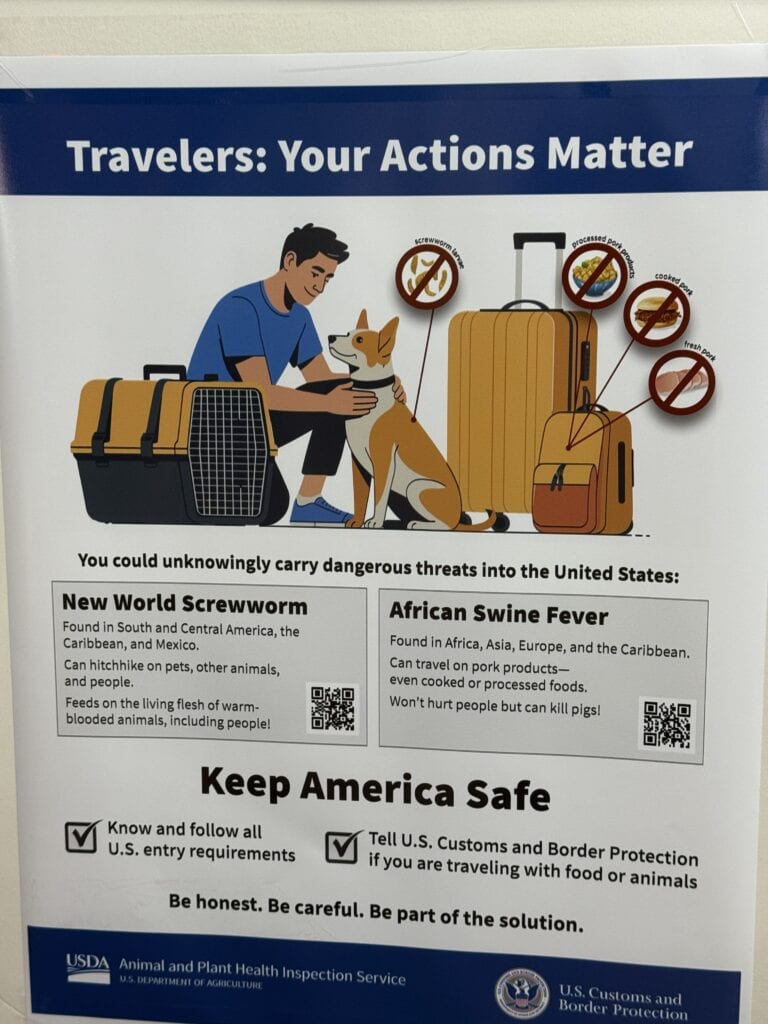
Expert Tips for a Seamless Journey
As you embark on this journey, consider the following expert tips: Start your travel preparations well in advance; try getting your pet accustomed to the carrier well before the travel date to avoid stress. Utilize calming products, such as pheromone sprays, to help soothe anxious pets. Also, plan for stops during long journeys, allowing your pet time to stretch and relieve themselves. Lastly, always keep emergency contacts handy, including veterinarians along your route, in case of unforeseen situations.
This guide delves deeper into how to prepare your pet for travel and moving, addressing various challenges and offering practical solutions tailored to the local environment in Nigeria. Whether your pet is a dog, cat, or another cherished family member, taking these steps will help ensure both you and your furry companion have an enjoyable and worry-free travel experience.
SEE ALSO: Click here to read another article
Essential Steps for Preparing Your Pet for Travel
Travel can be an exhilarating experience for both pets and their owners, but careful preparation is necessary to navigate any potential challenges. Each phase of planning is critical, ensuring not only the well-being and comfort of your pet but also a stress-free journey for you. Here, we will explore the essential steps needed to prepare your beloved animals effectively for travel and relocating.
Choosing the Right Travel Method
One of the foremost considerations when preparing for travel with your pet is determining the most appropriate mode of transportation. Different pets respond uniquely to various travel methods, and understanding their preferences can significantly impact their experience. Here are some common options:
- Car Travel: Ideal for short trips or road relocations, car travel allows you to monitor your pet closely. Ensure that your pet is secured in a carrier or seatbelt to prevent distractions and injuries.
- Air Travel: When flying, it is crucial to book a direct flight if possible. Research the specific airline’s pet policies, as regulations can vary. Ensure your pet remains in a comfortable and well-ventilated carrier throughout the flight.
- Train or Bus: Check if your chosen transport service allows pets and understand their protocols regarding carriers and documentation. Always reserve a spot for your pet ahead of time.
Pet Behavior Assessment
Understanding your pet’s behavior is essential in preparing for travel. Different pets exhibit varying levels of anxiety and stress during travel. For dogs, some might thrive on adventure, while others may experience anxiety when away from familiar surroundings. Similarly, many cats prefer staying in a familiar environment. Observe your pet’s reactions to new environments and sounds, and consider engaging in desensitization practices before the trip.
Pet Travel Training
Once you have identified the travel method that best suits your pet, it’s time to consider training your pet for the journey ahead. Familiarization is key: introduce your pet to the carrier or vehicle incrementally. You can also take short trips leading up to the relocation day, allowing your pet to acclimate to the experience. Here are a few tips to facilitate training:
- Reward your pet for entering the carrier or vehicle with treats.
- Practice short car rides to help reduce anxiety.
- Allow your pet to explore their travel space at home before the journey begins.
Preparing for the Unexpected
While thorough preparation will help set the stage for a successful journey, it is wise to remain ready for any unexpected occurrences. Having a pet emergency kit is essential. This kit should include:
- A first-aid kit with items tailored for your pet’s needs.
- Extra food and water supply during travel.
- Copies of vaccination records and any essential medical documents.
Being prepared, both physically and mentally, can lessen the stress associated with travel, making the experience enjoyable for both you and your pet.
By following these recommendations, pet owners can take confident steps in preparing their pets for travel and moving. Emphasizing safety, comfort, and familiarity will go a long way in ensuring that the journey is as seamless as possible for everyone involved.
| Category | Details |
|---|---|
| Preparation Checklist | Creating a detailed checklist is essential for a seamless transition, ensuring all pet needs are met. |
| Travel Documentation | Gather necessary travel documents, such as health certificates and vaccination records, to avoid last-minute emergencies. |
| Comfort Items | Bring familiar items like toys and blankets to help your pet feel secure during the trip. |
| Proper Identification | Ensure your pet wears a collar with ID tags and consider microchipping for added safety. |
| Health and Wellness | Consult your veterinarian for health checks and travel advice specific to your pet’s needs. |
When preparing for travel, detailed planning is crucial for a smooth transition. Establishing a comprehensive preparation checklist allows you to make sure all essentials are included, reducing stress for both you and your pet. Documentation, including health certificates and vaccination records, should be collected well in advance to avoid any hiccups when it’s time to travel. Bringing along comforting items such as their favorite blanket or toys can significantly reduce anxiety, creating a more pleasant experience.In addition, proper identification like collars with ID tags and microchips ensure that your pet can be easily located in case of accidental separation. Lastly, a visit to the veterinarian prior to the journey not only guarantees that your pet is physically prepared for travel but can also provide specific recommendations catered to your pet’s unique health requirements. This thorough approach ensures a more enjoyable traveling experience for you and your beloved pet.
YOU MAY ALSO LIKE: Read read another article
Health and Safety Preparations for Traveling with Pets
When embarking on a journey with your furry companions, prioritizing their health and safety is paramount. Traveling can be stressful for pets, and a little preparation goes a long way in ensuring their well-being throughout the journey. Below, we outline critical health considerations and practical tips that every pet owner should follow when preparing their pets for travel and moving.
Scheduling a Pre-Travel Vet Visit
Before setting off, it is crucial to arrange an appointment with your veterinarian for a complete health check-up. This is especially important if you are moving cross-country or internationally. Ask about necessary vaccinations that may be required in your new destination, including rabies and canine parvovirus for dogs and feline leukemia for cats. Additionally, obtain a health certificate from your vet, which may be mandatory for air travel or crossing state lines.
Microchipping and Identification Tags
Accidents can happen, and a proactive approach to identification is essential. Microchipping your pet is one of the most reliable ways to ensure they can be identified and returned to you if they get lost during the journey. If your pet is already microchipped, ensure that the information is current and updated with your new address. In conjunction with microchipping, harnessing the power of identification tags can enhance your pet’s safety. Make sure your pet’s collar includes:
- Your current phone number
- Your new address
- Any pertinent medical information or special needs
Comfort Measures for the Journey
Pets, like humans, experience discomfort while traveling. Taking steps to ensure their comfort can lead to a more pleasant travel experience. Consider providing familiar items that have your pet’s scent, such as a favorite blanket or toy. Additionally, if your journey is lengthy, plan for adequate rest breaks to allow your pet to stretch, relieve themselves, and rehydrate. If flying, incorporate pet-friendly travel amenities into your plan, such as cushioned carriers and calming pheromone sprays that can help ease anxiety. Keep in mind that some pets may require anxiety medication prescribed by a veterinarian for particularly stressful situations.
Nutritional Needs During Travel
Maintaining your pet’s nutrition and hydration throughout travel is crucial for their well-being. Pack a sufficient supply of your pet’s regular food, and consider individual feeding schedules to avoid upsetting their digestive systems. It’s advisable to introduce your pet to travel-friendly food that minimizes digestive issues during the journey. Additionally, ensure fresh water is readily available. Utilizing portable water bottles or collapsible bowls can help keep your pet hydrated without hassle.
Researching Pet-Friendly Accommodations
If your journey involves stopping overnight, make arrangements in advance by researching pet-friendly accommodations. Many hotels, lodges, and rental properties in Nigeria and beyond welcome pets. Verify their pet policies and any additional fees. Familiarizing yourself with local pet laws and regulations in the areas you’ll be traveling through can prevent unwanted surprises, ensuring a smooth transition for you and your pet.
With these health and safety preparations, you set the stage for a successful and enjoyable travel experience with your pet. Focusing on comfort, nutrition, and access to veterinary care will help alleviate stress for both you and your furry friend as you embark on this new chapter together.
YOU MAY ALSO LIKE: Read read another article
Conclusion: Making Travel and Moving a Smooth Transition for Your Pet
As you venture into the excitement of travel and moving, preparing your pet is essential in ensuring a smooth and stress-free transition. From scheduling a pre-travel vet visit to check their health, securing identification tags, and ensuring their comfort during the journey, each step plays a significant role in safeguarding your furry companions. Engaging in these preparations not only alleviates anxiety for your pet but also enables you to focus on the logistics of your move without worrying about their well-being.
Additionally, keeping their nutritional needs in mind and conducting thorough research on pet-friendly accommodations can transform what could be a chaotic experience into a seamless adventure. Understanding local pet regulations and finding suitable places that welcome pets can make all the difference. It is imperative to remember that your pet’s emotional and physical health is intertwined with your travel plans, making your proactive measures critical.
By adopting a well-rounded approach that encapsulates health, safety, and comfort, you empower your pet to adjust positively to their new environment. This journey is not merely about moving to a new location; it is an opportunity to strengthen the bond with your pet. As they settle into new surroundings, your thoughtful preparations will create a foundation for a happy and fulfilling life in their new home.
As you prepare, remain attentive to your pet’s reactions and needs, adapting as necessary to provide them with the love and support they deserve. With proper planning, your pet can thrive in their new chapter, ready to explore the world alongside you.
Related posts:
How to Deal with Aggressive Behaviors in Pets in Nigeria
Essential Care for the Dental Health of Dogs and Cats in Nigeria
How Technology Can Improve Pet Care in Nigeria
The Benefits of Pet Adoption in Nigeria Enriching Lives and Communities
The Influence of Nigerian Culture on Pet Care Habits
Tips for Creating a Safe and Comfortable Environment for Pets at Home

Linda Carter
Linda Carter is a writer and pet care expert specializing in pet health, grooming, and wellness. With extensive experience helping pet owners create safe, loving, and enriching environments for their animals, Linda shares her knowledge on our platform. Her goal is to empower readers with practical advice and strategies to ensure their pets thrive and lead joyful, healthy lives.