The Importance of Home-Cooked Meals: How to Prepare Nutritious Meals for Your Pet
The Importance of Home-Cooked Meals for Pets
In Nigeria, where pets are often regarded as beloved family members, the quality of food served to them can have a profound effect on their overall health and happiness. Home-cooked meals provide a unique opportunity to ensure that our furry companions receive optimal nutrition tailored specifically to their dietary needs and preferences. When pet owners prepare meals at home, they gain control over the quality and sourcing of ingredients, which can lead to a healthier lifestyle for pets.
There are several compelling reasons to consider home-cooked meals for your pet, which can enhance their wellbeing:
- Quality Control: By cooking at home, pet owners can select fresh, whole ingredients, free from preservatives, artificial colors, and flavors commonly found in commercial pet food. For example, using locally sourced chicken, fish, or beans ensures your pet gets quality protein without added chemicals.
- Personalized Nutrition: Each pet is unique, with varying dietary requirements based on their age, breed, and health status. This means you can tailor meals to provide specific nutrients they might need. For instance, if your dog is recovering from illness, a soft, easily digestible meal can promote quicker recovery.
- Cost-Effectiveness: Initially, some may view home cooking as more expensive. However, when considering the long-term health benefits and potential veterinary costs associated with commercial food, home-cooked meals can often become a more economical choice over time.
In addition to health benefits, cooking for your furry friend strengthens the bond between owner and pet. This act of love and care goes beyond mere feeding; it shows your pet that they are a cherished member of your family, leading to greater emotional satisfaction for both you and your pet.
As you venture into preparing nutritious meals for your pet, understanding their nutritional needs is critical. Research indicates that pets thrive on a balanced diet, rich in proteins, healthy fats, vitamins, and minerals. For example, incorporating ingredients such as leafy greens, rice, and eggs can provide essential nutrients and energy for your active pet.
Join us as we explore practical tips and easy recipes that will inspire you to whip up delicious meals tailor-made for your pet’s needs. It’s simpler than you might think! From hearty vegetable stews to protein-rich meat dishes, the possibilities are endless, and the benefits significant. Your journey toward nurturing your pet through home-cooked meals starts here, ensuring they receive the love and nutrition they deserve.
YOU MAY ALSO LIKE: Read read another article
Understanding Your Pet’s Nutritional Needs
Before embarking on the journey of preparing home-cooked meals for your pet, it’s essential to grasp the fundamental nutritional requirements necessary for their health and wellbeing. Just like humans, pets require a balanced diet tailored to their specific needs, and understanding these can make all the difference.
Pet nutrition typically hinges on a combination of proteins, carbohydrates, healthy fats, vitamins, and minerals. Here’s a closer look at each of these components:
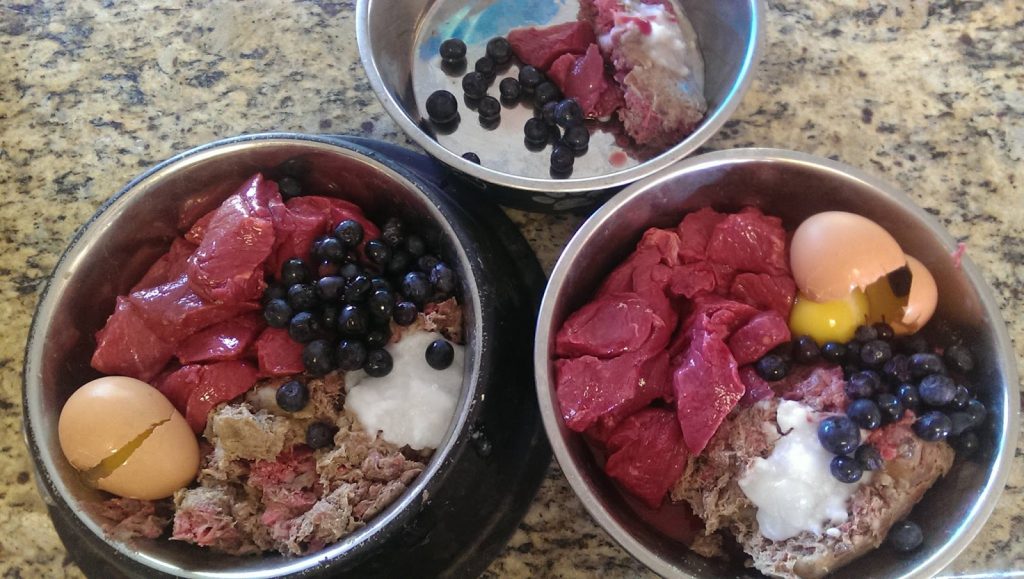
- Proteins: Proteins are the building blocks of your pet’s body, vital for muscle development, tissue repair, and overall health. Common sources of protein suitable for pets include lean meats like chicken, beef, fish, and eggs. In Nigeria, local sources like goat meat and catfish can be excellent and safe sources of protein.
- Carbohydrates: While not as essential as proteins, carbohydrates provide energy for your pet. Ingredients such as rice, sweet potatoes, and whole grains can be added to meals. In Nigerian households, starchy foods like yam and plantain can also be used, ensuring you create familiar flavors while enriching your pet’s diet.
- Healthy Fats: Fats play a crucial role in absorbing vitamins, providing energy, and supporting healthy skin and coat. Incorporating ingredients such as fish oil can enhance both flavor and nutrition. Be wary, however, not to use too much fat, as moderation is key.
Additionally, incorporating a variety of vegetables and fruits can significantly enhance the nutritional value of your pet’s meals. Safe options include carrots, peas, pumpkin, and even bananas. Each of these contributes essential vitamins and dietary fiber that can aid digestion and overall health.
It’s important to note that not all human foods are safe for pets. Certain items like chocolate, onions, and grapes can be toxic. As a responsible pet owner, it’s your duty to research and confirm which foods can safely be included in their diet. Consulting with a veterinarian can further ensure that your home-cooked meals are both nutritious and safe.
Creating a balanced diet doesn’t have to be complicated. By dedicating a little time each week to plan and prepare your pet’s meals, you can foster a healthier lifestyle. Keep in mind that homemade food can also make it easier to control portion sizes and prevent obesity, which is becoming a growing concern in many pets.
Arming yourself with knowledge about proper food preparation, suitable ingredients, and portion control will empower you as a pet owner. Engaging in the process of cooking will not only benefit your pet’s health but deepen the bond you share, as they eagerly anticipate the delicious meals you prepare with love and care.
| Advantages | Nutritional Benefits |
|---|---|
| Customization | You can tailor meals to meet your pet’s specific dietary requirements, ensuring optimal health. |
| Quality Ingredients | Using fresh, high-quality ingredients significantly enhances the nutritional value of your pet’s diet. |
| Bonding Time | Preparing food together can strengthen the bond between you and your pet, enriching their emotional well-being. |
| Variety | Home cooking allows for a diverse menu, which keeps mealtime exciting and stimulates a healthier appetite. |
Incorporating home-cooked meals into your pet’s diet is a powerful way to not only enhance their nutrition but also elevate their overall quality of life. It’s a profound choice that drives pet owners to seek the best for their furry companions. The balance of nutrients, pairings of proteins, and the infusion of vitamins through fresh vegetables and fruits can vastly improve their physical condition. Moreover, knowing exactly what goes into your pet’s meals empowers you with control over their diet, helping to prevent food allergies and intolerances. As you explore the world of home-cooked meals for pets, remember that the journey is just as vital as the destination. Whether you’re enriching their diet with wholesome ingredients or engaging with them during meal prep, you’re cultivating a health-conscious lifestyle. Your efforts in preparing nutritious meals can significantly impact their longevity and happiness, showcasing the undeniable importance of home-cooked nutrition.
YOU MAY ALSO LIKE: Read read another article
Practical Tips for Preparing Nutritious Home-Cooked Meals
Cooking for your pet can be a rewarding experience, but it’s important to approach it with the right knowledge and preparation. Here are some practical tips to help you create nutritious home-cooked meals that cater to your pet’s dietary needs while ensuring the process is simple and enjoyable.
Planning and Recipe Selection
One of the most critical steps in feeding your pet homemade meals is choosing the right recipes. Begin with a variety of options that focus on high-quality ingredients. Websites, pet nutrition books, and even consultations with veterinarians can provide valuable resources and suggest recipes tailored to different breeds and dietary restrictions.
- Ingredient Variety: Aim to rotate the proteins and vegetables used in your pet’s meals to ensure they receive a broad spectrum of nutrients. For instance, alternating between fish, chicken, and beef not only keeps meals stimulating but also mitigates the risk of food intolerances.
- Batch Cooking: Pet owners can save time by preparing large quantities of food in one go. Store portions in airtight containers or resealable bags and freeze them. This allows for easy access to freshly made meals, ensuring your pet eats healthily every day without needing to cook daily.
- Use Local Ingredients: In Nigeria, accessible and fresh ingredients are plentiful. Foods like groundnut oil for fats, various legumes for protein sources, and traditional vegetables such as ugu (pumpkin leaves) and bitter leaf can be included in your pet’s meals.
Understanding Cooking Techniques
The way you prepare your pet’s food can enhance its nutritional value. Cooking methods such as steaming, boiling, or baking preserve nutrients while ensuring that harmful bacteria are eliminated. For example, steaming vegetables retains their vitamins better than boiling, allowing your pet to benefit from all the essential nutrients within the food.
When cooking proteins, avoid using excessive fats or spices that could be harmful to your pet. Simplicity is key; pets thrive on minimally processed meals without excess seasoning. For example, you may want to bake chicken with a hint of turmeric for flavor without overwhelming their digestive systems.
Portion Control and Feeding Guidelines
Next, consider the feeding guidelines for different pets. Using your pet’s weight, age, and activity level, consult your veterinarian to establish how much of your homemade food they should consume. It’s important to manage portion sizes as homemade meals can be richer than commercial diets.
- Weight Maintenance: Monitor your pet’s weight regularly to ensure they maintain a healthy figure. Adjust meal quantities as necessary, factoring in changes in activity levels or age metrics.
- Supplementation: Consult with your veterinarian about whether to add any supplements to your pet’s food. Sometimes, homemade diets lack vital nutrients that commercial diets cover adequately.
Being a creative and caring pet owner goes beyond simply crafting delicious meals; it requires attention to detail in each facet of your pet’s nutritional needs. With the right planning, ingredients, and preparation methods, you can take on the rewarding task of making home-cooked meals that contribute profoundly to your pet’s well-being. The effort you put into preparing tailored meals will nurture your pet’s health and foster an even closer bond between you and your furry companion.
ADDITIONAL INSIGHTS: Expand your understanding here
Conclusion
In a world where convenience often takes precedence, home-cooked meals for pets provide a meaningful opportunity to prioritize their health and well-being. By taking the time to prepare nutritious meals, pet owners can ensure their furry companions receive a balanced diet tailored to their unique needs. As highlighted, selecting appropriate recipes that incorporate diverse ingredients, practicing mindful cooking techniques, and adhering to proper portion control are essential components of creating nourishing meals.
Moreover, the use of local ingredients not only enhances the flavor profile of your pet’s dishes but also supports nearby farmers and contributes to the economy. Whether it’s the rich protein from legumes or the health benefits packed in traditional vegetables, the options are plentiful in Nigeria’s vibrant markets. What’s more, introducing your pet to a variety of flavors and textures can be an exciting culinary adventure, promoting both their enjoyment and overall health.
Ultimately, the endeavor of cooking for your pets can deepen the bond between you and your beloved animals, fostering trust and companionship. By assuming the role of a responsible caregiver who values the significance of wholesome meals, you pave the way for a happier, healthier life for your pet. As you embark on this rewarding journey of creating wholesome home-cooked meals, remember that every meal is an investment in your pet’s long-term health and happiness, making it a worthwhile endeavor indeed.
Related posts:
The Benefits of Hypoallergenic Diets for Pets
Nutritional Supplements: When and How to Use Them in Your Pet's Diet
Natural Foods vs Commercial Pet Food Whats Best for Your Pet
The Importance of a Balanced Diet for Dogs' Health
Feeding Strategies for Pets with Special Needs
The Importance of a Balanced Diet for the Health of Dogs and Cats

Linda Carter
Linda Carter is a writer and pet care expert specializing in pet health, grooming, and wellness. With extensive experience helping pet owners create safe, loving, and enriching environments for their animals, Linda shares her knowledge on our platform. Her goal is to empower readers with practical advice and strategies to ensure their pets thrive and lead joyful, healthy lives.