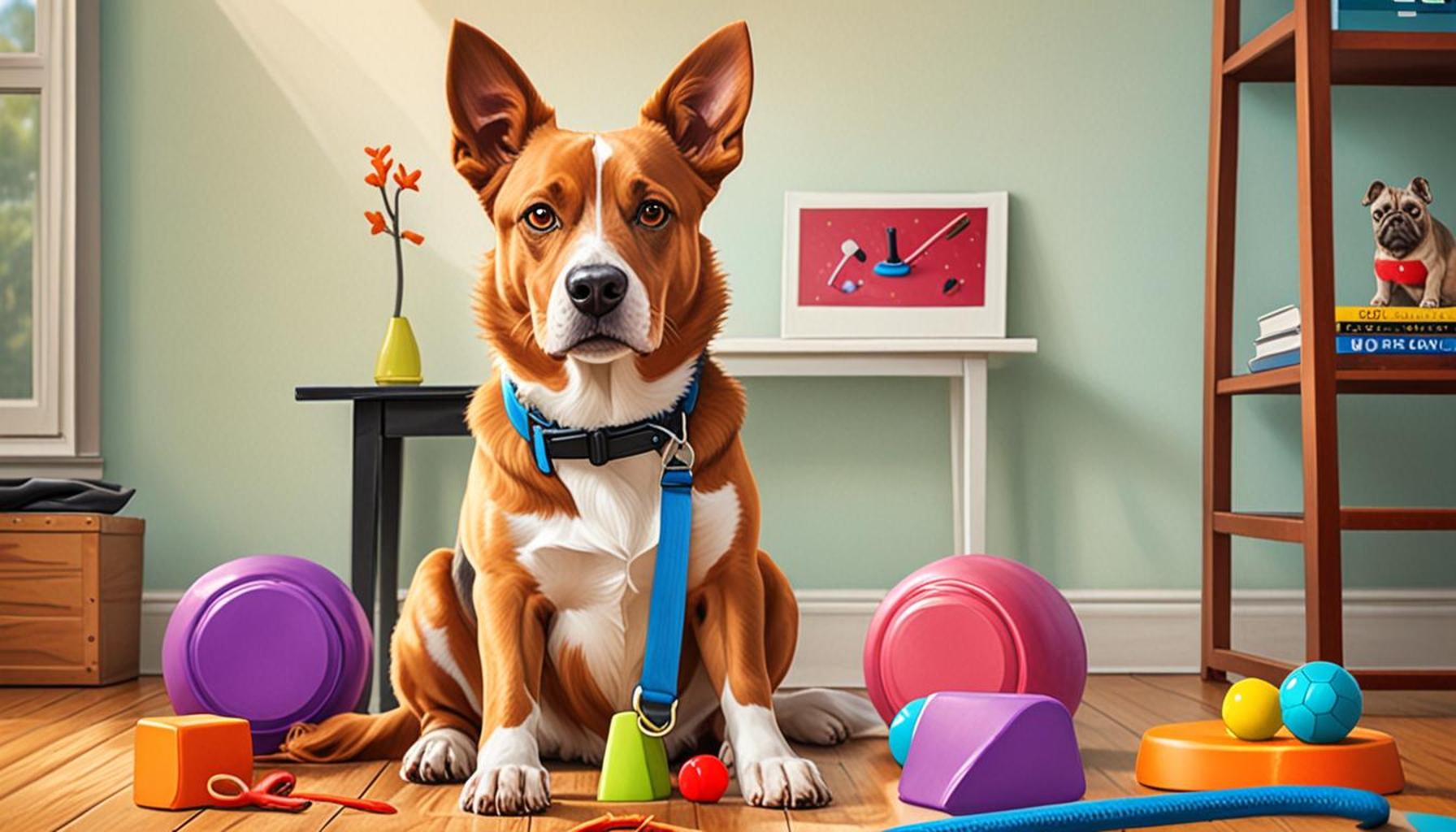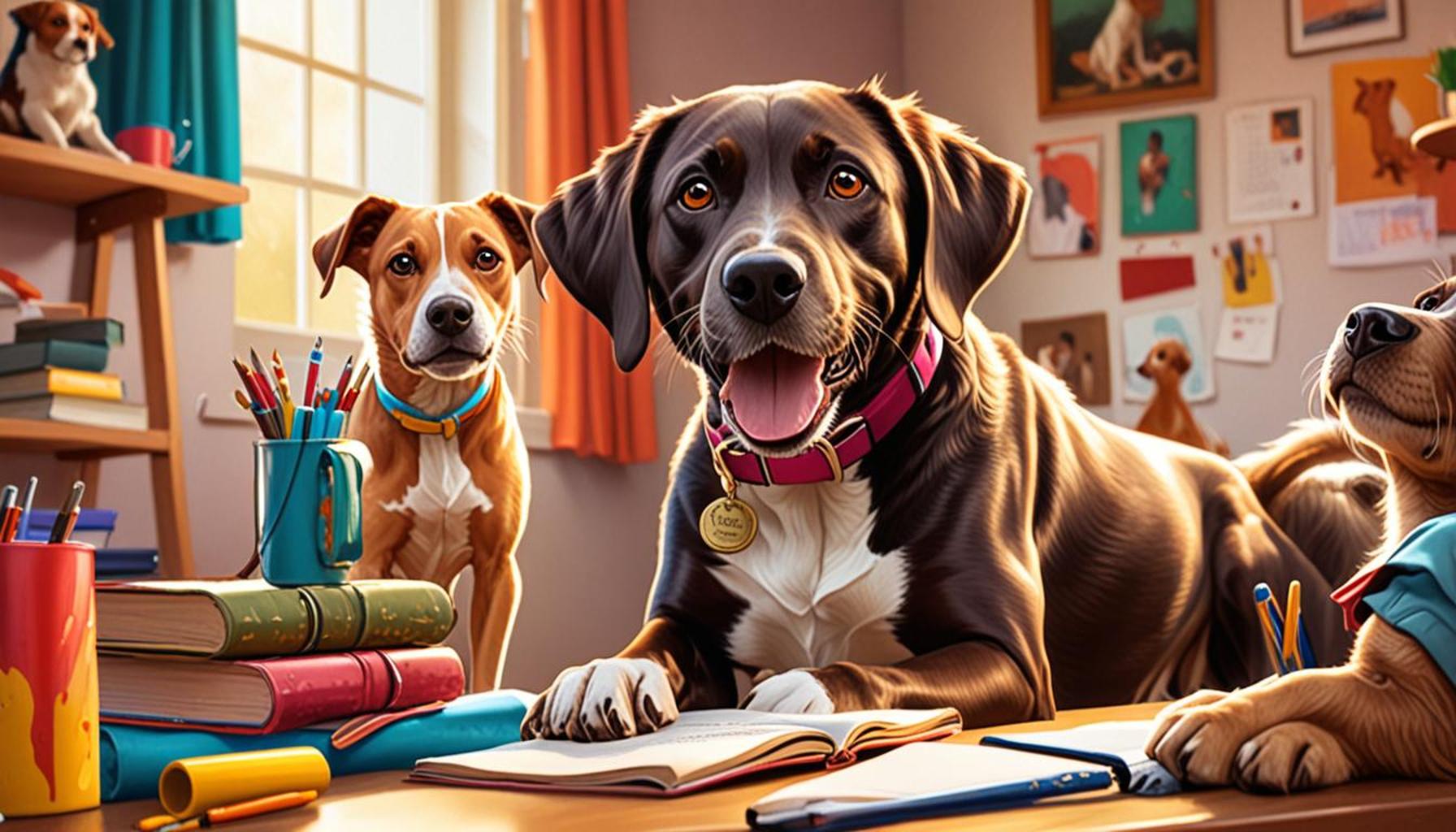
The importance of training elderly dogs: adapted techniques for senior dogs
The Importance of Training Elderly Dogs
Training elderly dogs is an often underestimated responsibility of pet ownership. As dogs age, their physical and cognitive abilities evolve, which necessitates an adjustment in training methods. By recognizing and catering to the distinctive needs of senior dogs, owners can significantly enhance their quality of life.
One of the most significant benefits of training elderly dogs is improved obedience. Just like humans, dogs can face cognitive decline as they grow older, which could lead to confusion and forgotten commands. Engaging in gentle training exercises helps to maintain their mental sharpness and offers a stimulating activity to keep their brains active. For instance, simple commands like “sit” or “stay” can be regularly practiced, which aids in reinforcing their memory while providing a sense of accomplishment.
Another advantage of tailored training is the enhanced bonding experience between the dog and its owner. During training sessions, owners have the opportunity to communicate effectively with their pets. A senior dog responds to positive interactions with praise and treats, reinforcing the bond they share. This can mitigate feelings of isolation or anxiety that elderly dogs may experience, particularly in environments where they may not be as active as before.
Behavior management is also a critical element. With age, dogs may develop anxiety or exhibit behavioral issues, such as barking excessively or resisting commands due to discomfort or disorientation. By engaging in regular training, owners can address these behaviors before they escalate. Training provides structure, which can be comforting to senior dogs, establishing a predictable routine that caters to their need for stability.
In Nigeria, where dog care practices are diverse, it is particularly essential to understand the various life stages of dogs. Many owners may not realize that their older pets require special consideration during training. For instance, incorporating techniques such as short sessions can help prevent fatigue. Elderly dogs may tire quickly, so limiting training to 5–10 minute sessions can keep them engaged without overwhelming them.
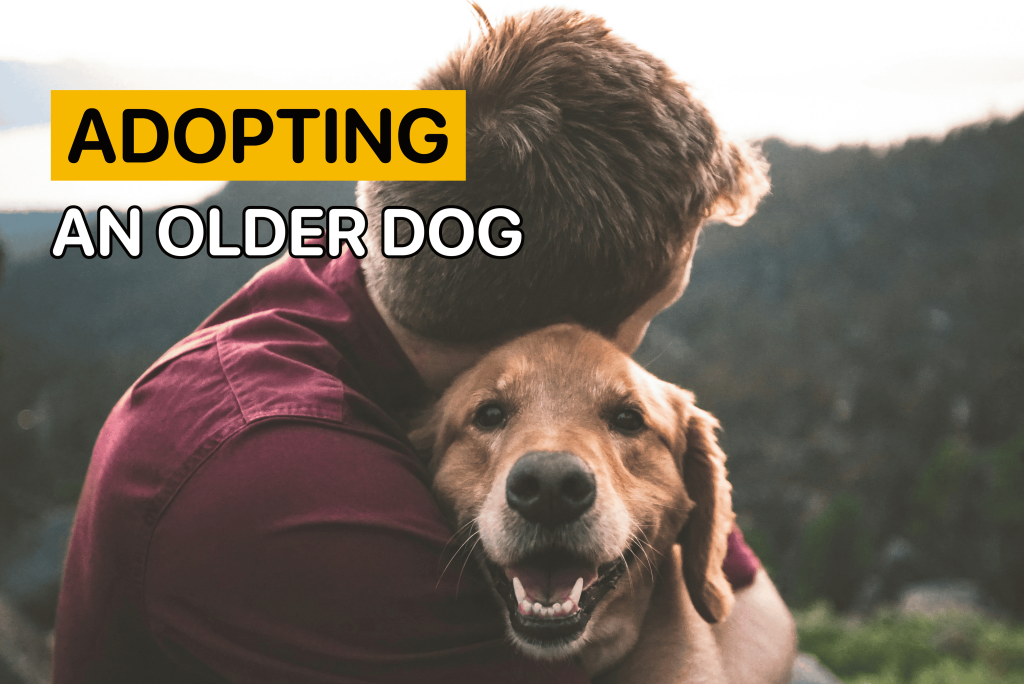
Positive reinforcement is pivotal in any training strategy. Utilizing delicious treats, enthusiastic praise, or their favorite toys can motivate elderly dogs to learn new commands and enjoy the process. Furthermore, establishing a secure routine helps dogs thrive as it provides a daily schedule that they can predict. This includes regular feeding times, bathroom breaks, exercise, and, of course, training exercises.
In conclusion, adapting training techniques for senior dogs can be tremendously rewarding for both pets and their owners. Not only does it improve the elderly dog’s overall health but it also fosters an enriching relationship that thrives on mutual respect and understanding. Acknowledging their unique needs and adapting accordingly unlocks new avenues for care, ensuring every aging dog continues to experience joy and companionship in their golden years.
YOU MAY ALSO LIKE: Read read another article
Adapting Training Techniques for Senior Dogs
As dogs age, their physical and cognitive capabilities change. Therefore, understanding adapted training techniques for elderly dogs becomes crucial for their well-being. Acknowledging these changes allows owners to implement strategies that promote both learning and comfort for their senior canines. This is especially important in countries like Nigeria, where some dog owners might not fully grasp the importance of adapting training methods for their aging pets.
First and foremost, it’s essential to recognize that elderly dogs often deal with decreased energy levels and possible health challenges, such as arthritis or vision problems. These factors can hinder their ability to engage in traditional training sessions effectively. Consequently, owners should focus on techniques that align with their dogs’ physical limitations. Here are some key strategies:
- Short and Frequent Sessions: Keeping training sessions brief, lasting no more than 5 to 10 minutes, prevents exhaustion and maintains the dog’s interest. This is particularly valuable in warmer climates, where heat can make senior dogs more prone to fatigue.
- Gentle Commands: Using calm and soft-spoken commands reduces stress and confusion. Owners in Nigeria can utilize common commands in Pidgin or local languages, making the learning process more relatable and enjoyable for their dogs.
- Rest Breaks: Integrating short breaks within training allows senior dogs to rest physically and mentally, making it easier for them to absorb new information.
- Incorporate Daily Routines: Enhancing training sessions by incorporating them into daily routines helps elderly dogs learn commands in familiar contexts, such as during meal times or walks.
Learning should be joyful for both the dog and the owner. Hence, employing positive reinforcement is fundamental in building a robust training foundation. This involves rewarding desired behaviors with treats, affection, or play. In a Nigerian context, using homemade treats with local ingredients can add a personalized touch, making training more appealing for the dog.
Research shows that senior dogs can still learn and adapt, though it might take longer than their younger counterparts. Adjusting expectations and celebrating small victories in training can boost morale for both the dog and its owner. For example, an elderly dog that sits on command correctly after several attempts should receive enthusiastic praise and a reward for its effort. This encourages continued participation and boosts their confidence.
Moreover, understanding the elderly dog’s individual temperament plays a vital role in effective training. Some dogs might be more receptive to training in a quiet environment, while others may thrive with distractions. Observing your dog’s reactions during training will inform better strategies tailored to their needs.
Ultimately, training elderly dogs not only hones their skills but also fortifies the bond between the owner and their companion. Recognizing the significance of these adapted techniques ensures that senior dogs lead fulfilling and enriching lives, allowing them to enjoy their golden years with dignity and happiness.
| Category 1 | Category 2 |
|---|---|
| Adapted Training Techniques | Customized methods that consider an elderly dog’s physical and cognitive limitations. |
| Cognitive Engagement | Stimulating mental activity helps prevent cognitive decline and keeps dogs engaged. |
Training elderly dogs requires a tailored approach to ensure their comfort and effectiveness. Older dogs may face physical restrictions, so gentle commands and low-impact activities are essential. Techniques like using fewer repetitions and incorporating frequent breaks help maintain their interest without overwhelming them. Moreover, strategies such as positive reinforcement, where treats and praise are given for showing desired behaviors, empower dogs and create a delightful learning environment.Additionally, keeping senior dogs mentally stimulated is paramount. Engaging them in activities like puzzle toys or scent games serves not only as a fun distraction but also fosters good cognitive health. Just like humans, dogs benefit significantly when their minds are active. Observing these subtle yet crucial changes in training can make a remarkable difference, allowing both pets and owners to enjoy quality time together. By understanding and implementing adapted techniques, you can significantly enhance the quality of life for elderly dogs while ensuring they remain happy, healthy, and trained. As you explore the topic, consider how every little effort can lead to powerful changes in your senior dog’s behavior and well-being.
YOU MAY ALSO LIKE: Read read another article
Enhancing Communication and Connection
In the realm of training elderly dogs, effective communication is paramount. Just as we adapt our training techniques physically, we must also refine how we communicate with our senior companions. Dogs may experience hearing loss or cognitive decline as they age, which can impact their responsiveness to traditional training cues. Recognizing these signs early allows owners to adjust their training methods appropriately.
To bridge the communication gap, visual cues can be incredibly beneficial. Hand signals or gestures can supplement verbal commands and serve as a clearer form of communication for senior dogs facing auditory challenges. Owners in Nigeria can incorporate culturally relevant gestures that their dogs may more readily interpret, creating a more engaging connection. For example, using familiar hand signals while offering commands such as “stay” or “come” can simplify the learning process while catering to the dog’s changing needs.
Furthermore, body language plays a crucial role in how dogs perceive training. Maintaining a positive demeanor and exhibiting supportive body language fosters a safe environment conducive to learning. In Nigeria’s diverse dog-owning community, where interaction styles may vary widely, ensuring a calm and attentive presence during training sessions will reinforce a sense of security in the dog, enhancing focus and compliance.
Creating Enriched Learning Environments
Another key element in adapting training for senior dogs is the environment in which learning occurs. Enrichment is essential for stimulating a dog’s mind and maintaining cognitive agility. Older dogs, much like their human counterparts, benefit from engaging their senses in varied environments. Simple changes to the training setting can lead to improved focus and enthusiasm during learning.
- Utilize Different Locations: Switching training locales—from the backyard to a local park—can add freshness and intrigue, accommodating older dogs who may feel bored or lethargic in familiar surroundings.
- Incorporate Scent Work: For senior dogs, engaging them in scent games can be a rewarding experience. Utilizing their natural instincts not only keeps their minds sharp but also enhances their joy in the training process. Owners can hide treats around the home or yard for their dogs to sniff out as a fun learning activity.
- Interactive Toys: Providing toys that require problem-solving can stimulate mental faculties. Consider purchasing local toys or crafting homemade versions with safe materials that encourage independent play and sustained engagement.
Moreover, maintaining a consistent schedule for training and daily activities allows senior dogs to develop a predictable routine, which can alleviate anxiety or confusion. For instance, if training occurs after meals or before evening walks are consistently done, the dog learns to anticipate these sessions, promoting a sense of excitement and eagerness.
Health Considerations During Training
It’s essential to consider health factors when training elderly dogs. As they navigate through their golden years, conditions such as joint pain or dental issues may arise, affecting their ability to participate in training activities. Regular veterinary check-ups will help owners monitor their pets’ health and adjust training techniques accordingly. This could involve working with a vet to develop a training regimen that aligns with the dog’s physical capabilities while incorporating gentle exercises beneficial for joint mobility.
In Nigeria, where ambulation, warmth, and nutrition factors can impact a dog’s overall health, it’s essential to provide supportive care alongside training. Ensuring a balanced diet enriched with local ingredients can enhance energy levels, promoting active engagement during sessions.
By embracing these tailored training approaches, owners can ensure that their senior dogs lead fulfilling lives, enriched by learning experiences that cater to their unique physical and mental conditions. This encourages a lasting bond between owner and dog, celebrating the wisdom and joy that comes with age.
RECOMMENDED: Check out this similar article
Conclusion: Nurturing the Golden Years Through Training
Training elderly dogs is a crucial aspect of their well-being, allowing them to thrive during their golden years. By adopting adapted techniques that cater specifically to their unique needs, owners can create a supportive environment that fosters mental and physical engagement. As highlighted throughout this article, effective communication, enriching learning environments, and mindful health considerations play integral roles in shaping the training experience for senior dogs.
In Nigeria, where cultural nuances can influence dog ownership, incorporating familiar gestures and routines can deepen the bond between owners and their aging pets. Utilizing varied locations, interactive games, and scent-based activities not only keeps training sessions fresh and exciting but also taps into the natural instincts of older dogs, making learning enjoyable.
Moreover, understanding the health challenges faced by senior dogs is paramount. Regular veterinary check-ups and tailored training regimens ensure that training is not only safe but also beneficial for mobility and overall health. This synergy of care and training ultimately enriches the lives of both dogs and their owners, allowing for meaningful interactions filled with joy and affection.
As we embrace the qualities that make our senior companions special, let us prioritize their training as a pathway to a richer, more connected life together. By nurturing their spirit and intellect through flexible training methods, we celebrate the wisdom, loyalty, and love that our elderly dogs bring into our homes.
Related posts:
Effective Dog Training Techniques for Beginners in Nigeria
How to Deal with Behavioral Issues in Adopted Animals: Rehabilitation Strategies
Obedience Training: How to Build Effective Communication with Your Cat
Demystifying Cat Training: Techniques to Stimulate Learning and Interaction
Using Technology in Pet Training: Apps and Gadgets that Assist in the Process
The importance of interactive training: creating a stronger bond between you and your pet

Linda Carter
Linda Carter is a writer and pet care expert specializing in pet health, grooming, and wellness. With extensive experience helping pet owners create safe, loving, and enriching environments for their animals, Linda shares her knowledge on our platform. Her goal is to empower readers with practical advice and strategies to ensure their pets thrive and lead joyful, healthy lives.